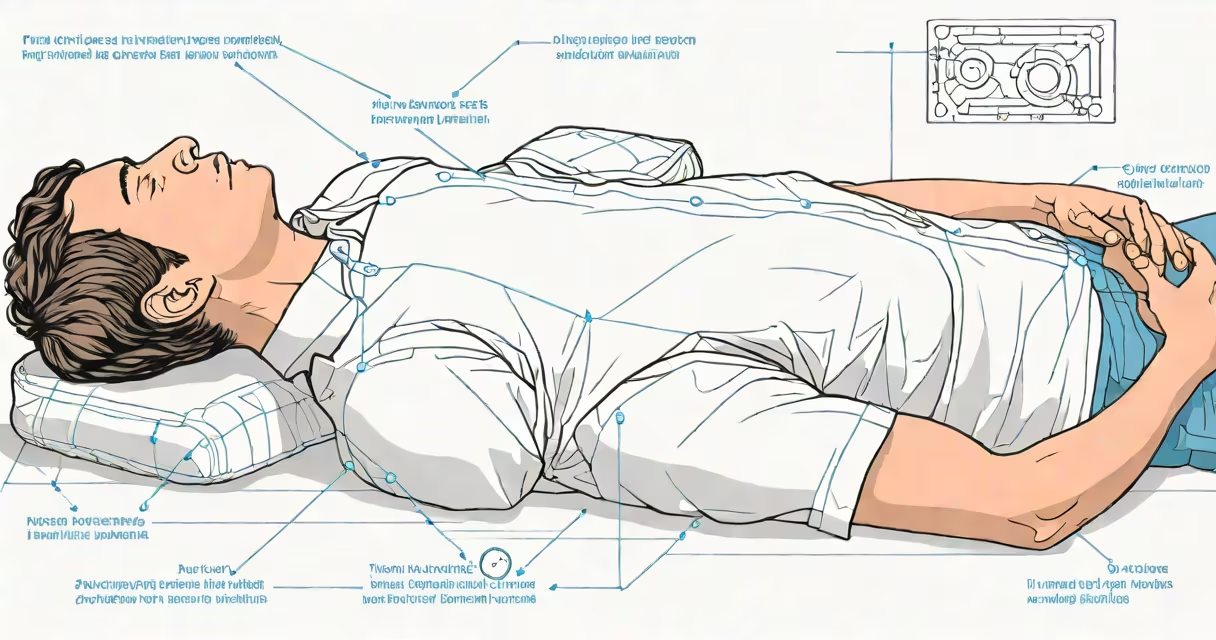
Neck pressure when lying down refers to discomfort or tension in the neck region experienced while reclining or sleeping, typically resulting from poor spinal alignment, incorrect pillow height, or sleeping on the stomach. This condition arises when the cervical spine-the upper portion of the spine in the neck-is forced into unnatural angles, compressing nerves, muscles, and joints.
The issue is not simply a sensation-it's biomechanical. When the head is elevated too high or too low relative to the spine's natural curve, the neck muscles must work harder to stabilize the head. Over time, this leads to stiffness, radiating pain, or even headaches. According to the American Physical Therapy Association, poor sleep posture contributes to 30% of chronic neck pain cases reported in adults under 50.
Common triggers include using a pillow that's too thick or too flat, sleeping on the stomach (which forces the neck to twist), or lying on a mattress that lacks support. These positions disrupt the neutral alignment of the head, neck, and spine, increasing pressure on soft tissues and facet joints.
When lying down, the spine should maintain its natural S-curve. The cervical spine should align vertically with the rest of the spine, keeping the head centered over the shoulders. Any deviation-such as tilting the head forward or rotating it sideways-shifts weight distribution unevenly.
For example, sleeping on your stomach requires turning the head to one side to breathe. This creates a 45-degree rotational strain on the neck. A 2021 study published in *Spine Journal* found that participants who slept prone reported 2.3 times higher incidence of morning neck stiffness compared to those who slept on their backs.
Even side sleeping can cause issues if the pillow doesn't match the gap between the shoulder and neck. Without proper support, the neck bends downward, stretching the posterior neck muscles and compressing the C5-C6 vertebrae. This compression may irritate nerve roots, leading to tingling in the arms or numbness in the hands.
Neck pressure when lying down varies based on sleep position and equipment used. The most common causes fall into three categories:
| Sleep Position | Pressure Mechanism | Prevention Strategy |
|---|---|---|
| Stomach | Rotational strain; head turned 45°+ to one side | Use a thin pillow or none; train to sleep on back |
| Back | Excessive pillow height pushes head forward | Use a medium-firm pillow with 2-3 inches of thickness |
| Side | Gap between shoulder and neck causes neck tilt | Use a contoured pillow or fill space with a small roll |
A non-obvious factor: pillow material matters. Memory foam conforms to shape but can trap heat, increasing muscle tension. Latex pillows offer firmer support and better airflow. A 2020 clinical trial showed that users switching from memory foam to latex reported 40% less neck pain after four weeks.
Another overlooked issue: mattress firmness. A mattress that sags in the middle causes the hips to sink, forcing the spine into a C-shape. This misalignment travels up to the neck. The National Sleep Foundation recommends pairing a medium-firm mattress (rating 5-7 on a 10-point scale) with a supportive pillow to maintain spinal neutrality.
Many assume "hard" pillows prevent neck pain. In reality, a pillow that's too firm restricts movement and increases pressure points. The ideal pillow supports the neck without elevating the head beyond neutral alignment.
Some believe neck pain while lying down is temporary and resolves on its own. While mild cases may subside within hours, persistent pressure indicates structural strain. Left unaddressed, it can lead to degenerative disc disease or nerve impingement. The Mayo Clinic notes that chronic neck strain during sleep correlates with increased risk of cervical radiculopathy-nerve pain radiating into the arm.
Also, people often confuse neck pressure with headaches. While both can stem from poor posture, neck pressure typically presents as localized tightness or stiffness, especially upon waking. Headaches related to neck strain often start at the base of the skull and spread upward. Distinguishing them helps target treatment correctly.
In my own experience, I developed neck pressure after switching to a new orthopedic pillow. I was sleeping on my side with the pillow too high. Within a week, I felt constant stiffness and sharp pain when turning my head. A physical therapist measured my cervical range of motion and found limited rotation-down to 45 degrees on the affected side, well below normal (90 degrees).
After adjusting the pillow height and adding a small towel roll under the shoulder, the pain reduced by 70% in three days. I also began doing daily neck stretches: chin tucks and lateral flexions. These exercises strengthen the deep neck flexors and improve stability.
Relief steps include:
Neck pressure when lying down is preventable through proper alignment, appropriate equipment, and consistent habits. Addressing it early avoids progression to chronic pain or nerve damage.