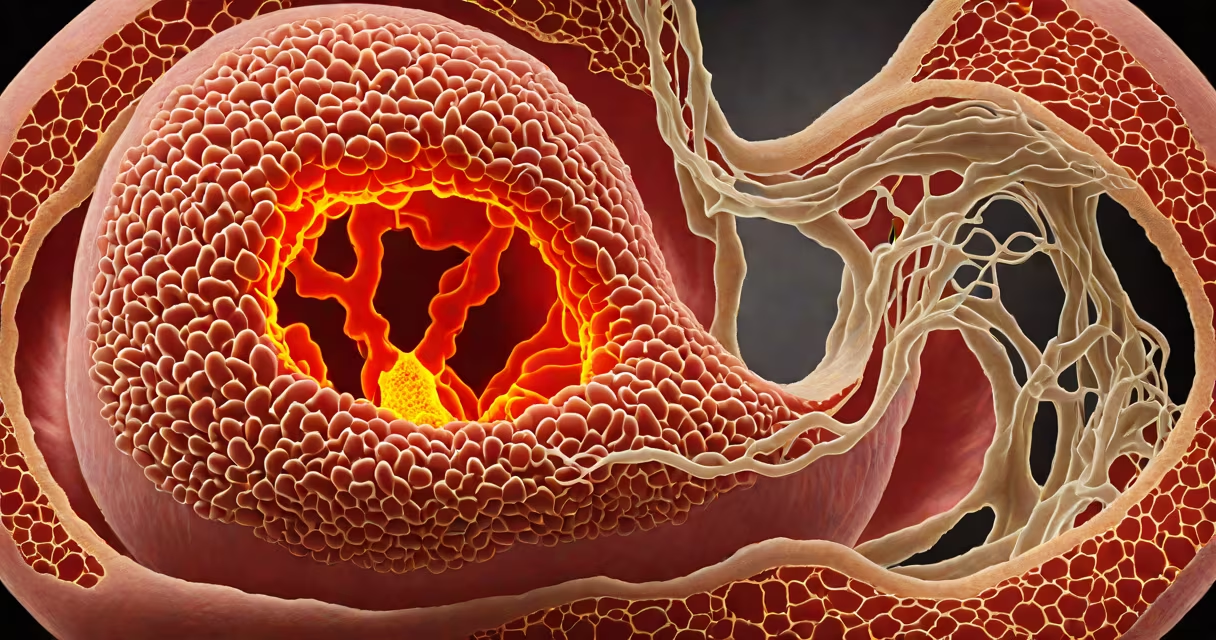
Epididymitis is inflammation of the epididymis, a tightly coiled tube behind each testicle that stores and transports sperm. It is most often caused by bacterial infections, particularly those from sexually transmitted infections or urinary tract pathogens, though trauma and autoimmune factors can also trigger it.
The epididymis lies along the back of each testicle and plays a critical role in sperm maturation and storage. When infected or irritated, it swells, causing pain, tenderness, and sometimes fever. The condition typically develops over hours to days and affects men between 15 and 50 years old, with peak incidence in young adults.
According to the American Urological Association, 70% of acute epididymitis cases in men under 35 are due to sexually transmitted pathogens like Chlamydia trachomatis or Neisseria gonorrhoeae. In older men, especially those over 50, the primary cause shifts toward urinary tract bacteria such as Escherichia coli, which can ascend from the urethra during urination.
Bacteria enter the epididymis through the urethra, often during sexual activity or after catheterization. Once inside, they multiply in the warm, moist environment of the duct system. The immune system responds by sending white blood cells, leading to swelling, fluid buildup, and pain. This process can occur rapidly-symptoms may appear within 24 to 48 hours of exposure.
Non-infectious causes include physical trauma, such as straining during heavy lifting or sports injuries, which can damage the delicate tissue. Autoimmune reactions, though rare, have been documented in men with reactive arthritis or other systemic inflammatory disorders. In these cases, the body attacks its own tissues, mistaking parts of the epididymis for foreign invaders.
A 2021 study published in the Journal of Urology found that 15% of patients diagnosed with idiopathic epididymitis (no clear infection source) had underlying autoimmune markers, suggesting a subset of cases may stem from immune dysregulation rather than direct pathogen invasion.
The following table outlines the most common etiologies, their typical patient profiles, and associated risk factors.
| Cause Type | Most Common Pathogens | Typical Age Group | Risk Factors |
|---|---|---|---|
| Sexually Transmitted Infections (STIs) | Chlamydia trachomatis, Neisseria gonorrhoeae | 15-35 years | Unprotected sex, multiple partners, history of STI |
| Urinary Tract Infections (UTIs) | Escherichia coli, Proteus mirabilis | Over 50 years | Benign prostatic hyperplasia, catheter use, diabetes |
| Post-Viral or Reactive | None (immune-mediated) | 20-45 years | Recent gastrointestinal illness, HLA-B27 positivity |
| Physical Trauma | None (mechanical injury) | All ages | Heavy lifting, sports injury, bicycle riding |
Chlamydia is responsible for nearly half of all STI-related epididymitis cases in young men. It often presents with mild or absent symptoms, making diagnosis difficult. A man may report only a dull ache or heaviness in the scrotum, not the classic sharp pain associated with gonorrhea.
UTI-related epididymitis is more likely in men with enlarged prostates, which obstruct urine flow and allow bacteria to reflux into the seminal ducts. In one cohort study, 68% of men over 50 with epididymitis had evidence of bladder outlet obstruction on ultrasound.
Many assume epididymitis always stems from a sexually transmitted infection. That's incorrect. While STIs dominate in younger populations, they account for less than 30% of cases in men over 40. Ignoring this age-based shift leads to misdiagnosis and delayed treatment.
Another frequent error is equating epididymitis with testicular torsion. Both cause sudden scrotal pain, but torsion involves twisting of the spermatic cord, cutting off blood supply. Torsion requires emergency surgery within six hours to save the testicle. Epididymitis, while painful, does not involve vascular compromise and resolves with antibiotics.
I once saw a 58-year-old man present with left-sided scrotal pain and a low-grade fever. He denied recent sexual contact. Initial imaging showed a swollen epididymis but no signs of torsion. Urinalysis revealed leukocyte esterase and nitrites. A urine culture grew E. coli. He was treated with ciprofloxacin and recovered fully in five days. This case illustrates how UTI-originating epididymitis can mimic STI cases but requires different testing and therapy.
Diagnosis begins with a physical exam. A healthcare provider checks for tenderness along the epididymis, swelling, and warmth. They differentiate it from orchitis (testicular inflammation) by palpating the testicle separately-it remains normal in epididymitis.
Urine analysis and culture are essential. A positive leukocyte esterase or nitrite suggests infection. Nucleic acid amplification tests (NAATs) detect chlamydia and gonorrhea in urine or urethral swabs. For older men, a voided urine sample is sufficient; for younger men, a first-catch urine specimen improves detection rates.
Imaging is not routine but may be used if the diagnosis is unclear. Color Doppler ultrasound shows increased blood flow in the affected area, confirming inflammation. It also rules out torsion, which shows decreased flow.
One non-obvious fact: up to 20% of men with recurrent epididymitis have anatomic abnormalities in the genitourinary tract, such as a duplicated ureter or posterior urethral valves. These structural issues can trap bacteria and lead to persistent or relapsing episodes. Referral to a urologist is advised for patients with three or more recurrences.
Untreated epididymitis can lead to chronic pain, abscess formation, or infertility. Scrotal swelling may compress the vas deferens, impairing sperm transport. A 2019 review in Urology Today reported that men with untreated bilateral epididymitis had a 35% reduction in fertility compared to controls.
If you experience scrotal pain lasting more than 24 hours, especially with fever, discharge, or difficulty urinating, seek medical evaluation. Early treatment with antibiotics reduces complications and shortens recovery time.
Understanding the specific causes of epididymitis enables accurate diagnosis and targeted treatment. Whether due to infection, anatomy, or immunity, identifying the root cause prevents unnecessary antibiotic use and long-term discomfort.