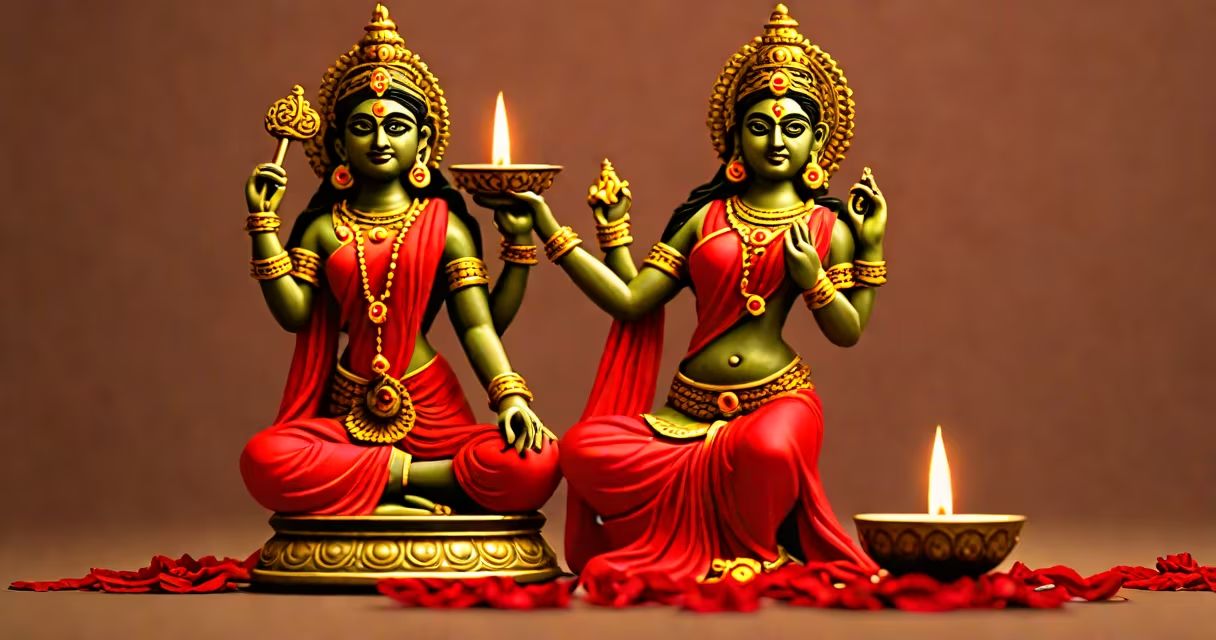
Navratri 1st day 2026 begins on October 10, 2026, marking the start of a nine-day Hindu festival dedicated to the worship of the goddess Shakti in her various forms. This day initiates the ritual fasting, prayer, and dance known as Garba and Dandiya, central to Navratri's cultural expression.
Navratri 1st day 2026 is determined by the Hindu lunar calendar, specifically the Shukla Paksha (waxing moon) of the month of Ashwin. The festival begins on the first day of this fortnight, which corresponds to October 10 in the Gregorian calendar for 2026. The date varies each year due to the lunisolar nature of the Hindu calendar, which aligns with both the moon's phases and the solar year.
The festival is observed across India with regional differences. In Gujarat, people perform Garba dances in circles around a central lamp. In West Bengal, the focus shifts to Durga Puja, with elaborate pandals and processions. In South India, the festival is linked to the worship of Goddess Chamundeshwari. The core purpose remains consistent: to honor the divine feminine as the source of cosmic energy and protection.
On Navratri 1st day 2026, devotees begin the practice of daily prayers to Mata Durga, often reciting the Devi Mahatmyam, a sacred text from the Markandeya Purana. Homes and temples are cleaned and decorated with marigolds, rangoli patterns, and oil lamps. A kalash (pot) filled with water and topped with a coconut is placed at the center of the altar, symbolizing purity and abundance.
Fasting is common, though practices vary. Some observe a complete fast (only water and fruit), while others consume sattvic foods-lacto-vegetarian meals free of onion, garlic, and spices. In Gujarat, families prepare special dishes like chivda (spiced snack mix), khandvi, and dhokla, eaten during evening prayer sessions.
A key ritual is the lighting of the diya (lamp) at dawn and dusk. The flame represents the inner light of consciousness and the victory of good over evil. In many homes, the idol or image of the goddess is installed on a raised platform, and offerings of flowers, fruits, and sweets are made throughout the day.
There are four major Navratri festivals annually in the Hindu tradition, but only two are widely celebrated: Chaitra Navratri (spring) and Sharad Navratri (autumn). Navratri 1st day 2026 falls under Sharad Navratri, which occurs in September or October and is the most prominent of the four.
| Region | Primary Name | Key Observance | Duration |
|---|---|---|---|
| Gujarat | Garba Festival | Dance in circles, wearing colorful cholis and ghaghras | 9 days |
| West Bengal | Durga Puja | Elaborate pandal setups, immersion on Vijayadashami | 10 days (including Vijayadashami) |
| South India | Navaratri in Mysore | Procession of the royal family, temple rituals | 9 days |
| North India | Shardiya Navratri | Fast, prayer, and community gatherings | 9 days |
One lesser-known fact is that the first day of Navratri is not always the same across time zones. For example, in 2026, the new moon (Amavasya) occurs on October 9, making Navratri 1st day 2026 fall on the following day. This timing ensures the festival begins on the first day of the waxing moon, which is considered auspicious for invoking divine energy.
Many assume Navratri 1st day 2026 is solely a Gujarati event because of the widespread popularity of Garba. However, the festival predates regional expressions. The earliest references appear in the Mahabharata, where it is described as a time to honor the goddess who defeated the demon Mahishasura. The story of Durga slaying the buffalo demon is central to the narrative, especially in the Devi Mahatmyam.
Another misconception is that Navratri requires strict fasting for all participants. While fasting is common, it is not mandatory. The Hindu tradition allows flexibility based on health, age, and personal devotion. The National Institute of Mental Health and Neurosciences (NIMHANS) notes that fasting during Navratri can support mental clarity and mindfulness, but it should not be forced on individuals with medical conditions.
I once attended a Navratri celebration in Ahmedabad in 2023. The streets were packed with dancers in silk saris, moving in perfect sync to dhol beats. A young girl, no older than seven, led a group through a complex Garba pattern. Her precision was notable-not because she had practiced for years, but because the tradition is passed down through generations, not formal training.
After Navratri 1st day 2026, the festival continues with distinct themes for each day. On the second day, Goddess Brahmacharini is worshipped, representing penance and spiritual strength. The eighth day honors Mahagauri, and the ninth, Siddhidatri, associated with supernatural powers and enlightenment.
For those planning ahead, the final day-Vijayadashami-falls on October 18, 2026. This marks the culmination of the festival, when idols are immersed in rivers or oceans, symbolizing the return of the goddess to her celestial home. In some regions, people exchange gifts and wear new clothes.
Navratri 1st day 2026 is not just a date-it's a living tradition rooted in ancient texts, seasonal cycles, and communal devotion. Whether through prayer, dance, or quiet reflection, it invites participation in a cycle of renewal that continues across generations.