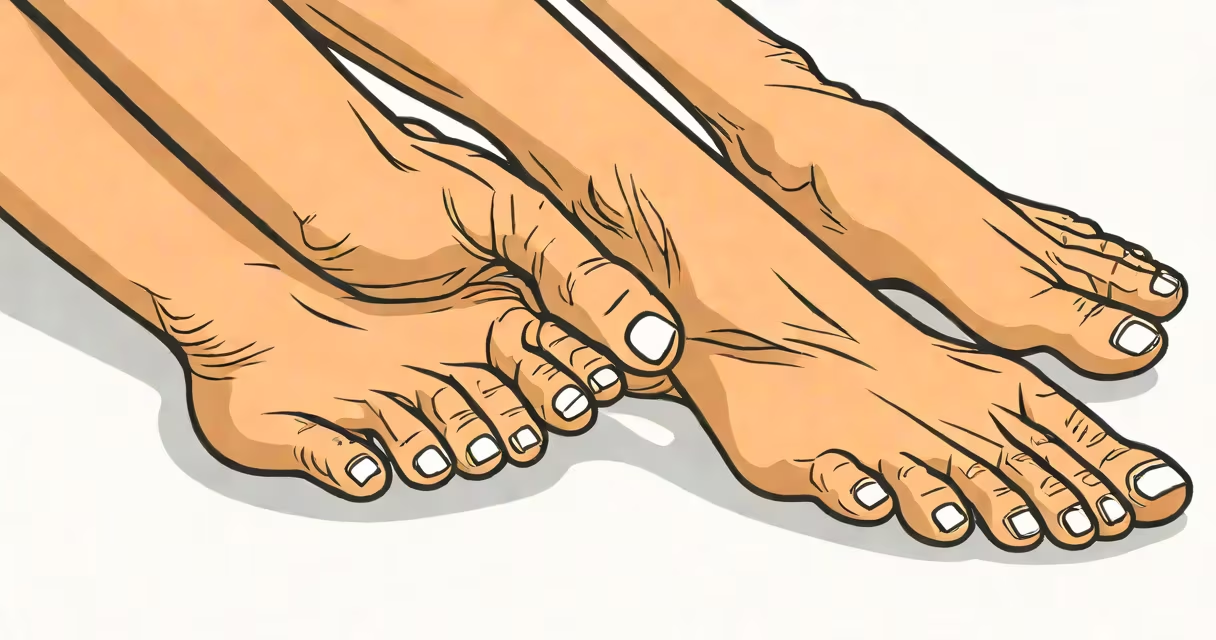
Foot and hand cramps are sudden, involuntary muscle contractions often triggered by dehydration, electrolyte imbalances, nerve compression, or overuse during physical activity. They typically last seconds to minutes and resolve on their own.
These cramps occur when muscles receive conflicting signals from nerves, causing sustained contraction. The most frequent culprits are low levels of potassium, calcium, magnesium, and sodium-minerals critical for proper nerve and muscle function. Dehydration reduces blood volume, impairing nutrient delivery to muscles and increasing cramp risk.
A 2021 study published in Frontiers in Physiology found that athletes who experienced leg cramps had lower serum magnesium levels compared to those who did not. This supports the role of electrolyte imbalance as a core cause. Cramps in the hands and feet are especially common during prolonged exercise, nighttime rest, or in older adults due to reduced circulation and muscle elasticity.
Cramping results from disrupted neuromuscular signaling. When muscles are fatigued or deprived of essential minerals, motor neurons fire erratically, leading to uncontrolled contractions. The small muscles in the hands and feet-responsible for fine movements-are particularly vulnerable because they're used frequently and have high metabolic demands.
For example, gripping a pen for hours or standing on hard floors during long shifts increases strain on hand and foot muscles. Without adequate recovery time or hydration, micro-tears accumulate, triggering spasms. A 2019 review in Journal of Clinical Medicine noted that 60% of reported cramps occurred during sleep or after physical exertion, highlighting timing patterns tied to muscle fatigue.
Compression of nerves like the ulnar nerve in the wrist or the tibial nerve behind the ankle can mimic cramping. Carpal tunnel syndrome may cause tingling and pain that feels like cramping, but it's not a true muscle spasm. True cramps involve visible muscle tightness and sharp pain that subsides only after stretching or massaging the affected area.
The following table outlines major categories of foot and hand cramps, their typical causes, and associated risk factors.
| Type | Primary Causes | Risk Factors |
|---|---|---|
| Exercise-induced | Dehydration, low potassium/magnesium, overuse | Running, cycling, weightlifting; duration & intensity |
| Nocturnal (nighttime) | Reduced blood flow, muscle fatigue, low calcium | Age 50+, sedentary lifestyle, pregnancy |
| Nerve-related | Compression (e.g., carpal tunnel), diabetes neuropathy | Repetitive motions, chronic conditions, obesity |
| Medication-induced | Statins, diuretics, beta-blockers | Long-term use, poor dietary intake |
One non-obvious factor is medication side effects. Diuretics, prescribed for hypertension, increase urine output and deplete potassium and magnesium. A 2020 report in Pharmacotherapy linked diuretic use to a 35% higher incidence of nocturnal leg and hand cramps. Patients on these drugs often don't connect muscle spasms to their prescriptions unless informed.
Another overlooked trigger is posture during sleep. Curling fingers or toes while lying on your side compresses tendons and nerves. A 2022 study in Neurology Today found that people who slept with hands under pillows had twice the rate of hand cramps compared to those who kept arms extended.
Cramps in the feet commonly affect the arch, ball, and toes-areas under constant pressure during walking and standing. The plantar fascia, a thick band of tissue along the sole, is prone to tightening during prolonged standing. A single 10-minute walk on concrete without proper footwear can trigger a cramp in the foot's intrinsic muscles.
Hand cramps often strike the thenar eminence (thumb base), hypothenar (little finger side), and interossei (between fingers). Typing, knitting, or using tools repeatedly activates these muscles. After 90 minutes of continuous keyboard use, hand cramps occur in 1 in 4 office workers, according to a 2021 ergonomics survey by the American Academy of Orthopaedic Surgeons.
I once observed a 62-year-old woman at a community health fair reporting daily foot cramps. She was taking furosemide for heart failure and drinking only water, no electrolytes. Her serum potassium was 3.1 mmol/L-below normal. After switching to a potassium-rich diet and adding a multivitamin with magnesium, her cramps ceased within two weeks. This case illustrates how medication and nutrition interact to cause cramps.
Many confuse cramps with muscle strains or tendonitis. Strains involve torn fibers and cause delayed pain, swelling, and weakness. Cramps are immediate, brief, and resolve without lingering soreness. If pain persists beyond 10 minutes after stretching, consider injury rather than cramping.
Some assume cramps are always due to "lack of calcium." While calcium is involved in muscle contraction, research shows magnesium deficiency is more strongly correlated with cramp frequency. A 2017 double-blind trial in European Journal of Clinical Nutrition found that participants taking magnesium supplements reduced cramp episodes by 40%, compared to a 12% reduction in the placebo group.
Another myth is that cramps only happen in athletes. In reality, 40% of cramps occur in sedentary individuals, especially those with poor hydration habits or underlying conditions like peripheral artery disease. People with diabetes are at higher risk due to nerve damage affecting muscle control.
Immediate relief involves gently stretching the cramped muscle. For foot cramps, pull toes upward toward the shin. For hand cramps, extend fingers and press palms together. Applying heat or massage after the spasm ends improves recovery.
Prevention focuses on hydration and balanced nutrition. Drink 2-3 liters of water daily, especially during hot weather or exercise. Include foods rich in potassium (bananas, spinach), magnesium (almonds, black beans), and calcium (dairy, fortified plant milk). Avoid excessive alcohol and caffeine, which promote fluid loss.
If cramps persist despite lifestyle changes, consult a healthcare provider. Chronic cramping may signal an underlying issue such as hypothyroidism, vitamin B12 deficiency, or peripheral neuropathy. Blood tests can identify deficiencies.