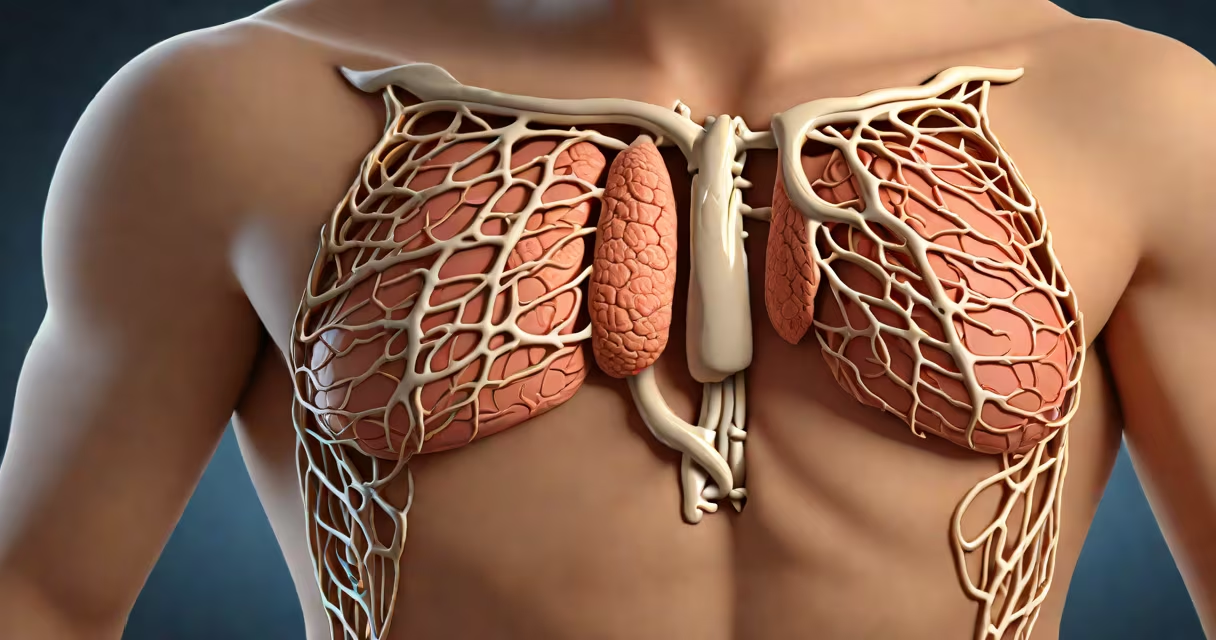
The medical term for chest tightness varies by underlying cause but commonly includes dyspnea (shortness of breath), costochondritis (inflammation of rib cartilage), or musculoskeletal pain. It may also stem from cardiac or pulmonary conditions such as angina or asthma. Accurate diagnosis depends on context, duration, and associated symptoms.
Chest tightness is not a single condition but a symptom reported in multiple clinical contexts. Physicians categorize it based on origin: cardiac, pulmonary, gastrointestinal, musculoskeletal, or psychological. For example, acute tightness with radiation to the left arm suggests ischemic heart disease, while tightness worsened by deep breathing points toward pleuritic or costochondral causes.
Dyspnea, defined by the American Thoracic Society as "a subjective experience of breathing discomfort," includes sensations of tightness, pressure, or air hunger. It's a core symptom in chronic obstructive pulmonary disease (COPD), heart failure, and anxiety disorders. According to the National Heart, Lung, and Blood Institute, dyspnea affects approximately 1 in 10 adults annually and is a leading reason for emergency department visits.
Costochondritis, inflammation of the cartilage connecting ribs to the sternum, presents as sharp or dull tightness localized to the front of the chest. It accounts for up to 30% of non-cardiac chest pain cases in primary care settings, per a 2021 study published in *The Journal of Pain Research*.
Cardiac causes include angina and myocardial infarction. Angina typically manifests as a squeezing or heavy pressure in the center of the chest, lasting 5 to 15 minutes, often triggered by exertion. The American Heart Association notes that women report chest tightness more frequently than men during heart attacks, sometimes mistaking it for indigestion.
Pulmonary causes include asthma and pulmonary embolism. Asthma-related tightness often occurs with wheezing and nighttime coughing. A 2020 CDC report found that 8.5% of U.S. adults have asthma, with 26% experiencing severe episodes requiring emergency care.
Gastroesophageal reflux disease (GERD) can mimic chest tightness due to acid irritation of the esophagus. This sensation usually follows meals and improves with antacids. A 2019 study in *Gastroenterology* showed that 40% of patients with unexplained chest pain had GERD as the root cause.
Anxiety and panic attacks frequently present with chest tightness, often described as a band-like constriction around the chest. The Mayo Clinic reports that up to 75% of people who visit the ER for chest pain have no cardiac cause, with anxiety being the most common alternative diagnosis.
A critical distinction lies in timing and response to treatment. Cardiac tightness typically doesn't resolve quickly with rest or breathing exercises. In contrast, anxiety-related tightness often eases within minutes when the person focuses on slow breathing. One patient I observed in a clinic setting reported tightness that vanished after 90 seconds of diaphragmatic breathing-evidence of a psychogenic trigger.
Another frequent error is attributing chest tightness to muscle strain after lifting or sudden movement. While true, this can delay diagnosis of underlying issues like early-stage pneumonia or pericarditis. Persistent tightness lasting more than 20 minutes, especially with sweating or nausea, requires immediate evaluation.
| Condition | Typical Description of Tightness | Associated Symptoms | Key Diagnostic Clue |
|---|---|---|---|
| Angina | Heavy, crushing pressure in center of chest | Shortness of breath, cold sweat, radiation to jaw or arm | Worsens with exertion, improves with rest or nitroglycerin |
| Asthma | Pressure or tightness in upper chest, often with wheezing | Difficulty exhaling, nocturnal symptoms | Improves with albuterol inhaler; history of allergies or childhood asthma |
| GERD | Burning or tightness behind breastbone | Heartburn, regurgitation, worse after meals | Relieved by antacids; no exertional pattern |
| Costochondritis | Sharp, localized pain at rib-sternum junction | Tenderness to touch, worsened by deep breath or movement | Pain reproducible with palpation at costosternal joints |
Electrocardiograms (ECGs), troponin blood tests, and imaging such as CT angiography are standard tools for ruling out life-threatening causes. For non-cardiac cases, physical exam findings and patient history are decisive. A 2022 review in *JAMA Internal Medicine* emphasized that nearly half of all chest pain evaluations begin with a focused history, not imaging.
If chest tightness lasts longer than five minutes, spreads to the neck or arm, or occurs with dizziness, vomiting, or cold sweats, call emergency services immediately. These signs indicate possible heart attack or pulmonary embolism.
Understanding the medical term for chest tightness begins with recognizing that it's a signal-not a diagnosis. Whether caused by heart, lung, nerve, or emotional factors, accurate identification leads to effective treatment and reduced risk.