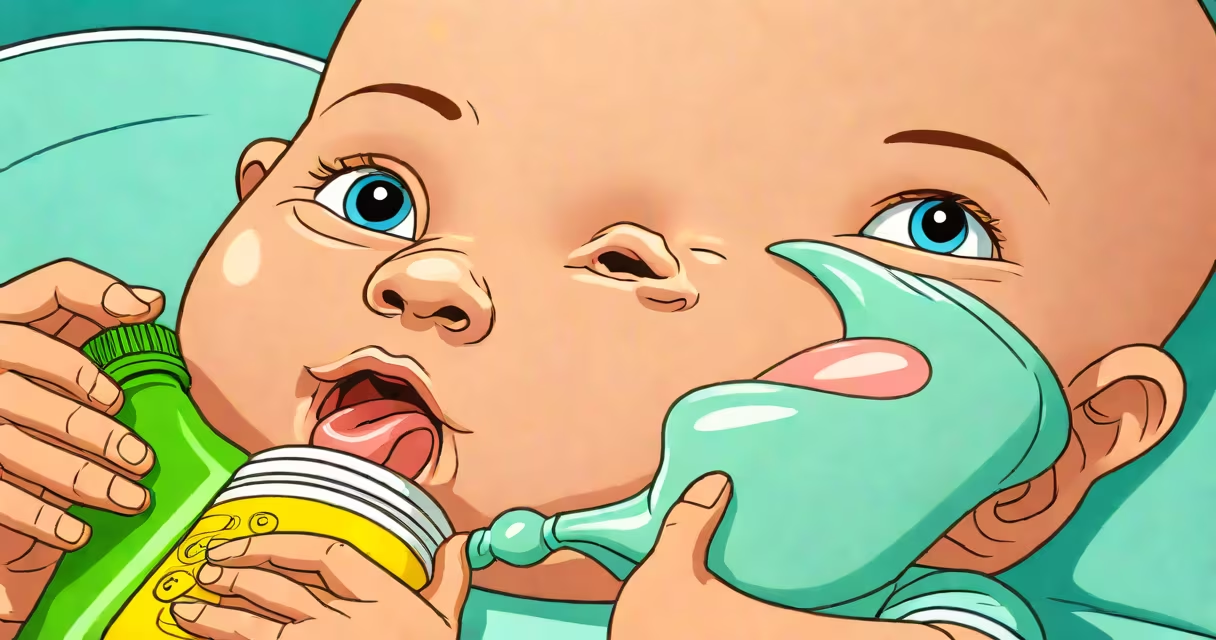
Infant stomach bug treatment involves managing dehydration, easing symptoms like vomiting and diarrhea, and monitoring for signs of complications. It centers on fluid replacement and supportive care, not antibiotics, since most cases stem from viruses.
Stomach bugs in infants-commonly viral gastroenteritis-are triggered by pathogens like rotavirus, norovirus, or adenovirus. These infections attack the lining of the small intestine, disrupting nutrient and water absorption. Symptoms typically appear within 12 to 48 hours after exposure and include frequent watery diarrhea, projectile vomiting, low-grade fever, irritability, and loss of appetite. The illness usually lasts 3 to 7 days.
According to the American Academy of Pediatrics (AAP), rotavirus was once the leading cause of severe infant diarrhea, but widespread vaccination has reduced hospitalizations by 85% since 2006. Despite this, viral gastroenteritis remains the most common gastrointestinal illness in children under two years old.
Treatment focuses on preventing dehydration, which is the primary risk. Infants lose fluids rapidly through vomiting and diarrhea, and their small bodies cannot compensate easily. Dehydration can progress quickly-within 12 to 24 hours-and may lead to hospitalization if untreated.
The core strategy is oral rehydration. Small, frequent sips of an electrolyte solution-such as Pedialyte or a WHO-recommended oral rehydration salt (ORS) solution-help restore lost fluids and electrolytes. The AAP recommends giving 2-4 mL of fluid per kilogram of body weight per hour during active vomiting and diarrhea. For a 5 kg (11 lb) baby, that's roughly 10-20 mL per hour, or about 1-2 teaspoons every 10 minutes.
If the infant vomits shortly after drinking, wait 15-30 minutes and restart with smaller amounts. This method, known as "small volume, frequent feeding," reduces the chance of triggering further vomiting. Avoid sugary drinks like juice, soda, or sweetened water-they can worsen diarrhea by drawing more fluid into the gut.
Supportive care forms the foundation of treatment. This includes:
Medications are generally not recommended. Anti-diarrheal drugs like loperamide are unsafe for infants under two and can cause serious side effects. Probiotics may help shorten duration slightly-some studies show a 1-day reduction in diarrhea when using Lactobacillus rhamnosus GG-but they are not a substitute for hydration.
A 2020 Cochrane review found that probiotics reduced the duration of acute infectious diarrhea by about 1 day in children under five. However, benefits were modest, and results varied by strain and dosage. Always consult a pediatrician before adding supplements.
Infant stomach bug treatment shifts from home care to clinical intervention when warning signs appear. These include:
Dehydration progresses faster in infants than adults. A baby who hasn't urinated in 12 hours or whose fontanelle (soft spot) appears sunken requires urgent evaluation. Hospitalization may involve intravenous (IV) fluids if oral intake fails.
One non-obvious point often missed: infants can become dehydrated even if they aren't showing classic signs like crying without tears. Early indicators include decreased activity, poor feeding, and fewer wet diapers. Parents should track diaper changes daily-normal is 6-8 wet diapers per day.
Many caregivers assume that stopping feedings helps the stomach rest. This is incorrect. Breast milk and formula provide essential nutrients and fluids. Withholding feeds increases the risk of malnutrition and prolongs recovery. The AAP advises continuing feeding during mild to moderate illness.
Another misconception is that clear liquids like water or apple juice are sufficient. They lack electrolytes and can dilute sodium levels, increasing the risk of hyponatremia-a dangerous condition in infants. Only balanced ORS solutions should be used for rehydration.
I once observed a mother bring her 6-month-old to the clinic after withholding formula for 18 hours due to vomiting. The baby had severe dehydration and required IV fluids. After rehydration, the child resumed feeding within hours and recovered fully. This case highlights how well-intentioned but misguided actions can delay recovery.
Treatment varies based on severity and underlying health factors. The following table outlines options by scenario:
| Severity Level | Recommended Treatment | When to Contact Doctor |
|---|---|---|
| Mild (1-2 episodes of vomiting, normal feeding) | Oral rehydration solution, small frequent sips | After 12 hours if no improvement |
| Moderate (vomiting every 1-2 hours, decreased wet diapers) | ORS every 10-15 minutes, continue breastfeeding/formula | Within 6 hours |
| Severe (persistent vomiting, lethargy, no urine for 12+ hours) | Emergency care, IV fluids | Immediately |
For infants with chronic conditions-like prematurity, congenital heart disease, or immunodeficiencies-treatment plans may differ. These children require earlier medical evaluation and close monitoring.
Infant stomach bug treatment is not a one-size-fits-all protocol. It is not effective to use adult medications, home remedies like ginger tea, or unproven supplements. It is not necessary to withhold food entirely. And it is not a reason to rush to antibiotics-most cases are viral, and antibiotics do not work against viruses.
Antibiotics can disrupt the infant gut microbiome and increase the risk of antibiotic-associated diarrhea. The Centers for Disease Control and Prevention (CDC) warns against using antibiotics for uncomplicated viral gastroenteritis. Misuse contributes to antimicrobial resistance.
Parents sometimes confuse stomach bugs with food allergies or intolerances. While both can cause vomiting and diarrhea, allergic reactions often include rash, swelling, or breathing issues. Stomach bugs typically start with fever and develop diarrhea later. If symptoms persist beyond 7 days or recur frequently, consider allergy testing or referral to a pediatric gastroenterologist.
Infant stomach bug treatment is primarily about hydration, symptom monitoring, and knowing when to seek help. Focus on small, frequent oral rehydration, continue feeding, and watch for red flags. Most cases resolve at home with careful attention.