Stopping hair fall naturally involves addressing root causes like nutrient deficiencies, hormonal imbalances, and poor scalp health through diet, topical treatments, and lifestyle adjustments-not synthetic drugs or invasive procedures.
Hair shedding is normal-up to 100 strands daily-but excessive loss signals imbalance. Natural approaches focus on restoring internal balance and external scalp conditions. These methods avoid pharmaceuticals and prioritize whole-food nutrition, herbal extracts, and consistent scalp hygiene.
Dermatologists at the American Academy of Dermatology (AAD) confirm that nutritional gaps-especially in iron, zinc, biotin, and vitamin D-are linked to telogen effluvium, a condition causing sudden hair thinning. Addressing these through food and supplements reduces shedding within 3-6 months.
Natural strategies work by correcting biological triggers rather than masking symptoms. Hair follicles require steady blood flow, oxygen, and nutrients to stay in the anagen (growth) phase. When stress, poor diet, or inflammation disrupt this cycle, follicles enter catagen (resting) too early, leading to shedding.
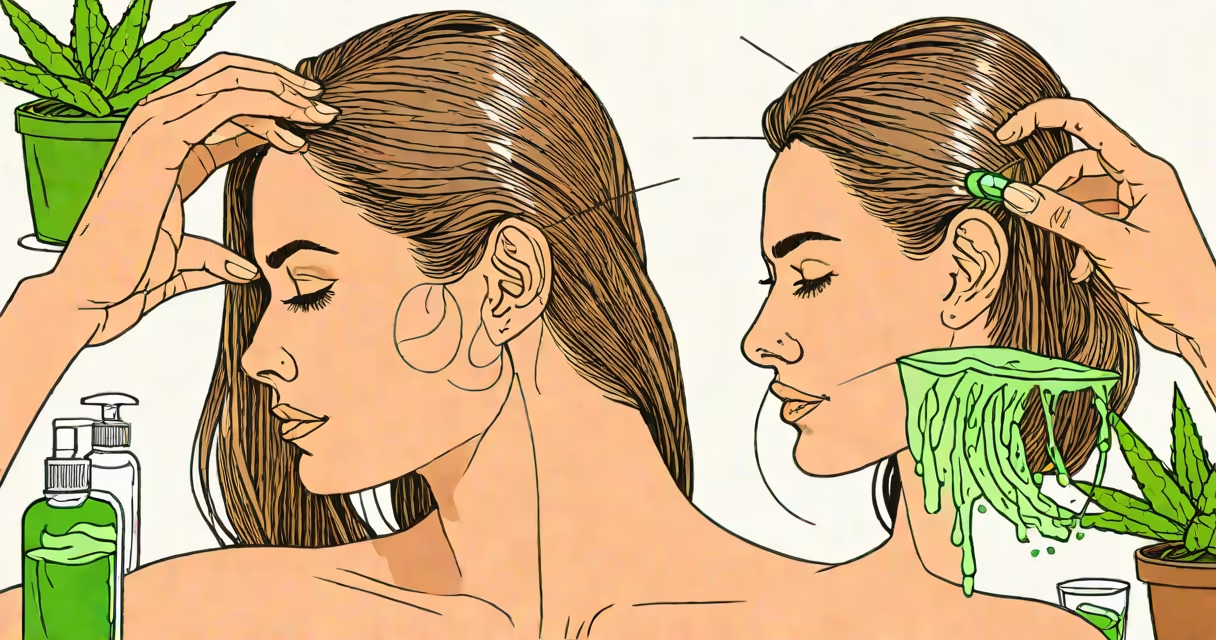
Topical applications like rosemary oil and aloe vera reduce scalp inflammation and improve microcirculation. A 2015 study published in *Skinmed* found rosemary oil applied twice daily for six months produced results comparable to minoxidil (a prescription treatment) in reducing hair loss and increasing density.
Internal support comes from foods rich in protein, omega-3s, and antioxidants. For example, spinach provides folate and iron; salmon supplies omega-3 fatty acids critical for sebum production. Sebum protects the scalp and keeps hair shafts flexible.
Not all natural ingredients are equally effective. Some have clinical backing; others rely on anecdotal reports. Focus on those proven in peer-reviewed trials.
| Ingredient | Proven Effect | Usage Method | Study Source |
|---|---|---|---|
| Rosemary oil | Reduces shedding, increases hair count | 2 drops mixed with 1 tbsp carrier oil, massaged into scalp 2x/day | Skinmed, 2015 |
| Biotin (vitamin B7) | Supports keratin synthesis; deficiency causes brittle hair | Supplement: 2.5 mg/day; food sources: eggs, almonds, sweet potatoes | Journal of Clinical and Aesthetic Dermatology, 2012 |
| Aloe vera | Reduces scalp irritation and dandruff; improves hair strength | Apply fresh gel to scalp, leave 30 minutes, rinse | Journal of Ethnopharmacology, 2010 |
| Fenugreek seeds | High in proteins and lecithin; strengthens roots | Soak overnight, grind into paste, apply 1 hour before wash | Indian Journal of Traditional Knowledge, 2009 |
One common mistake is assuming all plant-based oils are equal. Jojoba oil mimics sebum and balances scalp moisture. Coconut oil penetrates the hair shaft better than mineral oil but may clog pores in high amounts. Use sparingly and avoid daily application if prone to greasy buildup.
Many people believe that washing hair less frequently prevents loss. This is false. Infrequent washing leads to sebum buildup, which blocks follicles and invites fungal overgrowth like Malassezia, a known contributor to dandruff and hair thinning.
Another myth is that brushing hair 100 times daily strengthens it. Over-brushing damages the cuticle, especially when wet. Wet hair is 100% more fragile. Use a wide-tooth comb gently, starting from ends and working upward.
I once tested a "natural" hair tonic containing essential oils and alcohol. After two weeks, my scalp became flaky and itchy. Alcohol stripped natural oils, worsening dryness. Always check ingredient lists-some "natural" products contain irritants.
Consider Maya, a 34-year-old woman who lost 150 hairs daily after giving birth. Blood tests showed low ferritin (12 ng/mL), below the optimal level of 30-40. She began:
After four months, her shedding dropped to 30 strands/day. At six months, she reported visible regrowth along the hairline. Her follow-up lab test showed ferritin at 45 ng/mL.
This outcome aligns with findings from the National Institutes of Health (NIH), which states that correcting iron deficiency reverses hair loss in 70% of women with low stores.
Not all hair fall is reversible through natural means. Androgenetic alopecia (genetic hair loss) affects 50% of men and 30% of women by age 50. It progresses slowly and responds poorly to diet alone.
If shedding exceeds 150 strands/day for more than three months, consult a dermatologist. Blood tests should include TSH, free T4, ferritin, vitamin B12, and testosterone levels. Abnormal results may indicate thyroid disease or hormonal imbalance requiring medical intervention.
Implement these steps consistently over 3-6 months:
Consistency matters more than perfection. Small, sustainable habits yield measurable change. Natural solutions aren't magic-they're biology, corrected.