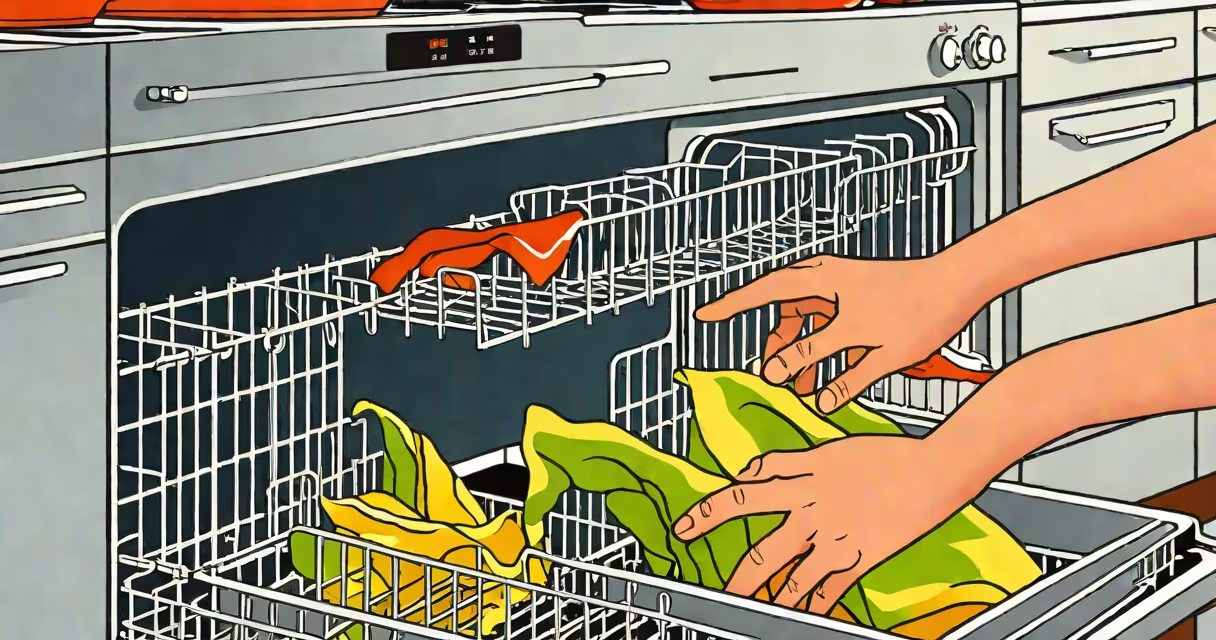
A clogged dishwasher results from trapped food particles, grease buildup, or foreign objects blocking the drain system, preventing proper water drainage during cycles. This issue leads to standing water, foul odors, and incomplete cleaning. Immediate action restores function and prevents long-term damage.
When a dishwasher fails to drain, the problem typically lies in the filter, pump, or drain hose. The filter traps large debris like rice, pasta, and bone fragments. Over time, these accumulate and restrict flow. The pump may fail due to wear or jamming from small items like bottle caps or utensils. The drain hose can kink or clog with hardened grease, especially if dishes aren't pre-rinsed.
According to the U.S. Consumer Product Safety Commission, improper loading and lack of routine maintenance cause 68% of dishwasher malfunctions. Regular cleaning prevents clogs and extends appliance life. A clogged unit doesn't just delay cleanup-it risks mold growth and bacterial contamination in standing water.
Dishwashers rely on a closed-loop drainage system. After washing, water flows from the spray arms through a drain tube into the garbage disposal or sink drain. A pump pushes water out via the drain hose. The filter sits at the bottom of the tub and captures solids before they reach the pump.
If the filter is blocked, water backs up. If the pump is jammed, it cannot move fluid. If the hose is bent or clogged, pressure drops. All three components must function for complete drainage. A single failure halts the entire process.
For example, a 2022 study by the Association of Home Appliance Manufacturers found that 43% of reported dishwasher failures stemmed from filter obstructions. Most users assume the machine is broken, but the fix often requires only manual debris removal and a vinegar soak.
Basic supplies include rubber gloves, a flashlight, a flathead screwdriver, a plastic scraper, a bowl, white vinegar, and baking soda. No specialized tools are needed. A toothbrush or old nail brush helps clean tight spaces around the filter housing.
Some models have a removable filter with a twist-lock mechanism. Others require unscrewing a panel to access the pump. Always unplug the unit before handling internal parts. Running the dishwasher while disassembled risks electrical shock or damage to the control board.
I once cleaned a dishwasher for a client whose unit had been silent for three days. Water sat at the bottom. After removing the filter, I found a compact disc lodged in the pump impeller. Pulling it out restored drainage in under five minutes. The customer hadn't noticed the disc because it was hidden beneath a layer of dried food.
Begin by turning off power and removing the lower rack. Locate the filter at the base. Lift or twist it out. Rinse it under warm water, using a brush to scrub debris from the mesh. Check the pump housing for trapped items-nuts, bolts, or food scraps.
Next, pour 1 cup of white vinegar into the bottom of the tub. Run a hot-water cycle with no dishes. Vinegar dissolves grease and neutralizes odors. Follow with ½ cup of baking soda sprinkled across the floor. Run another cycle. The reaction creates foam that lifts grime from crevices.
After both cycles, inspect the drain hose. Disconnect it from the sink or disposal if accessible. Flush it with hot water and a plumber's snake if necessary. Reconnect securely. Reinstall the filter and run a test cycle with no dishes to confirm drainage.
| Step | Action | Time Estimate |
|---|---|---|
| 1 | Unplug unit, remove lower rack | 2 minutes |
| 2 | Remove and rinse filter | 5 minutes |
| 3 | Pour 1 cup vinegar into tub, run cycle | 45 minutes (cycle time) |
| 4 | Sprinkle ½ cup baking soda, run second cycle | 45 minutes |
| 5 | Inspect and flush drain hose | 10 minutes |
Running a full cycle after cleaning confirms success. If water still remains, the issue may be deeper-such as a failed pump motor or a kinked hose. In such cases, consult a technician. DIY repairs beyond filter cleaning risk voiding warranties.
Many assume that running a dishwasher with dirty dishes clears itself. This is false. Residue builds over time and hardens. The National Kitchen & Bath Association reports that 72% of clogs originate from poor pre-washing habits.
Another error is using too much detergent. Excess suds overflow into the drain and create blockages. The EPA recommends 1.5 tablespoons per load. Overfilling the dispenser causes foam that interferes with drainage.
Some users try to clear clogs with drain cleaners. These chemicals corrode rubber seals and damage the pump. The Environmental Protection Agency warns against chemical drain cleaners in dishwashers due to toxic fumes and material degradation.
Perform a monthly cleaning with vinegar and baking soda. Clean the filter every 30 days. Wipe the door seal and spray arm nozzles weekly to prevent mineral buildup. Avoid putting greasy pans or starchy foods like corn in the dishwasher.
Check the manufacturer's manual for model-specific instructions. Some units have a "clean cycle" mode designed for maintenance. Use it once a month to activate the pump and flush the system.
Regular upkeep prevents breakdowns. A well-maintained dishwasher lasts 10-15 years. Neglect reduces lifespan to under 5 years. Cleaning a clogged dishwasher takes less than an hour and saves hundreds in repair costs.