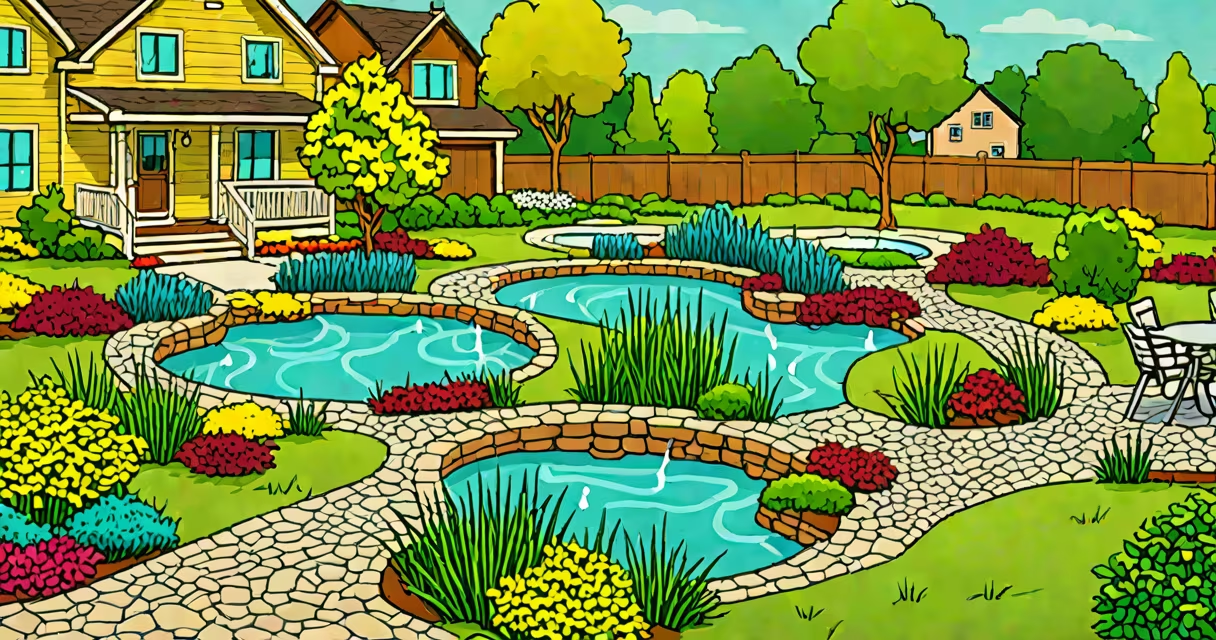
How to prevent runoff means using field design, vegetation, and engineered systems to slow, absorb, or redirect stormwater before it flows offsite and causes pollution or erosion. This reduces flooding, protects waterways, and maintains soil health.
Runoff occurs when rain or irrigation water moves across impervious surfaces like pavement, rooftops, or compacted soil. Instead of soaking in, the water picks up debris, chemicals, and sediment, then drains into storm sewers or natural water bodies. Preventing this flow requires interrupting the path of water before it gains speed and volume.
Effective runoff prevention relies on infiltration, evaporation, and retention. Techniques include planting native vegetation, installing rain gardens, using permeable paving, and constructing swales. These methods mimic natural hydrology by allowing water to enter the ground slowly rather than racing across surfaces.
Water moves through landscapes via gravity. On paved or bare soil areas, it travels quickly, carrying pollutants like oil, pesticides, and litter. When left unchecked, this flow erodes soil, overwhelms drainage systems, and degrades aquatic ecosystems.
Prevention works by increasing surface roughness, adding organic matter, and creating storage zones. For example, a rain garden captures runoff from a roof gutter, holds it for 24-48 hours, and allows it to seep into the soil. During this time, microbes break down contaminants, and plants filter out sediments.
Permeable pavements allow water to pass through gaps filled with gravel and soil. A 2018 study by the U.S. Environmental Protection Agency (EPA) found that permeable concrete reduced peak runoff volume by 60% compared to traditional asphalt under moderate rainfall events.
Several proven techniques manage runoff at different scales. Residential yards, commercial sites, and municipal projects each use tailored approaches based on space, budget, and local regulations.
| Method | Best For | Typical Reduction in Runoff Volume | Example Application |
|---|---|---|---|
| Rain garden | Residential lots, small parks | 40-70% | Planted in low-lying area near downspout; uses native grasses and sedges |
| Permeable pavers | Driveways, sidewalks, patios | 50-80% | Used in urban courtyards; allows water to infiltrate through joints |
| Green roof | Commercial buildings, multi-story structures | 50-90% | Layer of soil and drought-tolerant plants on rooftop; retains water during storms |
| Swale | High-traffic roadsides, large developments | 60-90% | Shallow, vegetated ditch along road edge; slows and filters runoff |
Native plants are central to success. Species like black-eyed Susan (Rudbeckia hirta) and switchgrass (Panicum virgatum) have deep root systems that stabilize soil and increase infiltration rates. A 2020 study in *Journal of Environmental Management* showed that native plantings in urban buffer zones reduced nitrogen runoff by 44% compared to non-native species.
Soil composition matters too. Adding compost or biochar increases porosity and water-holding capacity. A single cubic yard of well-amended soil can hold up to 30 gallons of water-enough to offset minor storm events.
Many assume that simply adding mulch or planting trees stops runoff. While beneficial, these measures alone don't address concentrated flow. A tree planted in a compacted parking lot won't absorb much water because roots can't penetrate the dense subsoil.
Another error is oversizing systems. A rain garden designed for a 1-inch storm may overflow during a 2-inch event. The EPA recommends sizing systems to handle a 95% probability storm event (e.g., a 10-year storm in most U.S. regions).
Some confuse runoff prevention with flood control. Flood control manages large volumes after they've formed-like dams or retention basins. Runoff prevention acts earlier, stopping water from becoming a problem in the first place.
Seattle's municipal program offers rebates to homeowners who install rain gardens or cisterns. Since 2012, over 1,200 homes have participated. Data from the city's Department of Construction and Inspections shows a 38% average reduction in stormwater discharge from participating properties during rainy season months.
One homeowner in the Beacon Hill neighborhood replaced a 120-square-foot asphalt patio with permeable pavers and added a 4-foot-wide rain garden. The system now captures 1,800 gallons of stormwater annually-equivalent to 100 showers-and keeps sediment and pet waste out of nearby Lake Washington.
Before the project, the property contributed to localized flooding during heavy rains. After installation, no flooding occurred during the 2021 winter storm season, despite 8 inches of rain in three days.
Unmanaged runoff is a leading cause of water pollution in U.S. rivers and lakes. The EPA estimates that 70% of impaired waterways result from urban and suburban runoff. Preventing this flow protects drinking water supplies, supports fish and wildlife, and reduces long-term infrastructure costs.
Communities that adopt runoff prevention see lower maintenance expenses for storm drains and fewer flood-related insurance claims. A 2022 report by the American Society of Civil Engineers found that every $1 invested in green infrastructure returned $4 in avoided damages and public health savings over 20 years.
For those managing larger properties, integrating runoff prevention into site planning is essential. The U.S. Green Building Council's LEED certification program awards points for stormwater management strategies, including on-site infiltration and reuse.
If you're considering changes to your yard or property, start with a site assessment. Measure slope, identify existing drainage paths, and test soil absorption. Then choose methods that match your climate, soil type, and available space.
Understanding how to prevent runoff isn't just environmental stewardship-it's practical risk mitigation. Whether retrofitting a driveway or designing a new development, effective runoff control begins with slowing water at the source.