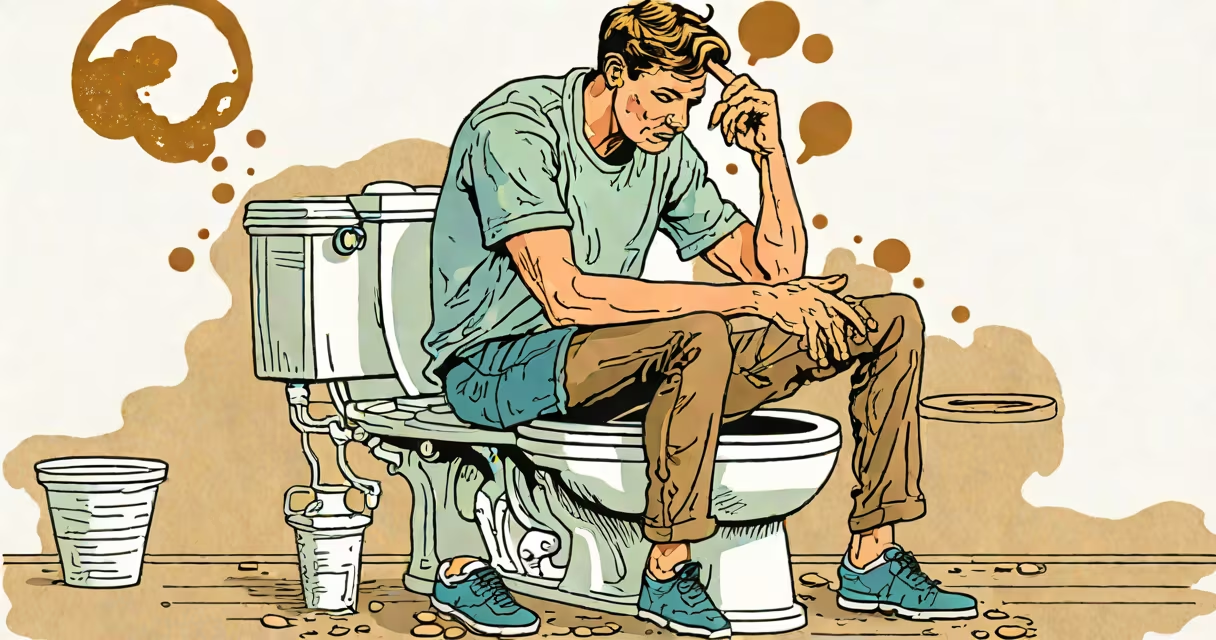
When you can't pass a stool despite feeling the urge, you're experiencing constipation-a condition marked by infrequent bowel movements, hard or lumpy stools, or straining during defecation. This happens when waste moves too slowly through the colon, allowing excess water absorption. The American College of Gastroenterology defines constipation as fewer than three bowel movements per week.
Constipation affects about 16% of adults in the U.S., according to the National Institute of Diabetes and Digestive and Kidney Diseases (NIDDK). It's not just inconvenient-it can cause bloating, discomfort, and even hemorrhoids if left unaddressed. Common triggers include low fiber intake, dehydration, sedentary habits, certain medications (like opioids or antacids with aluminum), and underlying conditions such as irritable bowel syndrome (IBS) or hypothyroidism.
One overlooked factor: ignoring the urge to poop. Delaying defecation trains the body to suppress the reflex, making future bowel movements harder. A 2021 study in *The American Journal of Gastroenterology* found that people who regularly ignored bowel urges were twice as likely to develop chronic constipation.
Food travels from mouth to stomach, then into the small intestine where nutrients are absorbed. What remains enters the large intestine (colon), where water is drawn out and stool forms. Nerves in the colon contract rhythmically-peristalsis-to push contents toward the rectum. When stool reaches the rectum, stretch receptors signal the brain: "It's time to go."
If the colon slows down, stool becomes dry and compact. This often results from insufficient dietary fiber, which adds bulk and softness. The average adult consumes only 15 grams of fiber daily-well below the recommended 25-30 grams from the USDA. Without enough fiber, stool lacks the volume needed to trigger the defecation reflex effectively.
Dehydration compounds the issue. Water is pulled from the colon to maintain fluid balance. Less water in the gut means drier, harder stools. A 2019 review in *Nutrients* linked low fluid intake to increased constipation risk, especially in older adults.
Many assume constipation is purely a diet problem. While poor nutrition plays a role, it's not the only cause. Medications like painkillers, antidepressants, and calcium supplements can slow intestinal motility. Hormonal imbalances-such as low thyroid function-also reduce gut activity.
Another myth: "I don't need to poop every day." While frequency varies, going less than three times weekly qualifies as constipation. Some people have regular movements but still strain or feel incomplete evacuation-this is also constipation. The Bristol Stool Scale classifies Type 1 and 2 stools as constipated; they appear as separate, hard lumps or sausage-shaped fragments with cracks.
One under-discussed reason: pelvic floor dysfunction. Up to 20% of chronic constipation cases involve improper coordination of pelvic muscles during defecation. These muscles fail to relax or contract correctly, blocking stool passage. Physical therapy targeting pelvic floor training can resolve this, though most people don't know it's an option.
Start with hydration. Drink 8-10 cups of water daily. Warm liquids like herbal tea or lemon water stimulate colonic contractions. A 2016 study in *European Journal of Clinical Nutrition* showed that increasing fluid intake improved bowel movement frequency in constipated individuals.
Add soluble fiber gradually. Oats, chia seeds, apples, and pears swell in the gut and soften stool. Aim for 25-30 grams daily. Too much too soon causes gas and bloating. Introduce fiber over several days to avoid discomfort.
Move your body. Walking 10 minutes after meals increases colonic activity. Squatting positions-using a footstool to improve feet while on the toilet-align the rectum and reduce straining. The position mimics how primates defecate and reduces pressure on the pelvic floor.
Try gentle abdominal massage. Place hands over the lower abdomen and move clockwise in circular motions for 5 minutes. This stimulates peristalsis. A 2018 pilot study in *Complementary Therapies in Clinical Practice* reported that daily massage improved bowel movement frequency in elderly patients.
| Method | How It Works | Expected Timeframe |
|---|---|---|
| Drink 250ml warm water on waking | Stimulates gastrocolic reflex | 15-30 minutes |
| Consume 10g chia seeds soaked in water | Forms gel-like mass that softens stool | 6-12 hours |
| Squat with feet on stool for 5 minutes | Aligns rectum for easier passage | Immediate effect |
If constipation persists beyond a week despite lifestyle changes, consult a healthcare provider. Red flags include blood in stool, sudden onset in someone over 50, unexplained weight loss, or severe abdominal pain. These may indicate structural issues like colorectal polyps or tumors.
I've seen patients delay care for months, fearing embarrassment. One man, 58, had chronic constipation for five years. He finally sought help after developing a painful anal fissure. Colonoscopy revealed early-stage diverticulosis. Early diagnosis prevented complications.
For persistent issues, doctors may prescribe osmotic laxatives like polyethylene glycol (MiraLAX), which draw water into the colon. Stimulant laxatives (e.g., senna) should be avoided long-term-they can lead to dependency and electrolyte imbalance.
If pooping hurts, it may stem from anal fissures, hemorrhoids, or muscle spasms. Warm sitz baths and topical lidocaine can ease pain. But if pain continues, see a specialist-chronic pain can worsen muscle tension and worsen constipation.
how to poop if you can't begins with recognizing the signs and acting early. Prioritize hydration, fiber, movement, and proper posture. Don't ignore the urge. If symptoms last more than a week, seek medical evaluation. Chronic constipation isn't normal-it's a signal to address diet, habits, or health issues before they escalate.