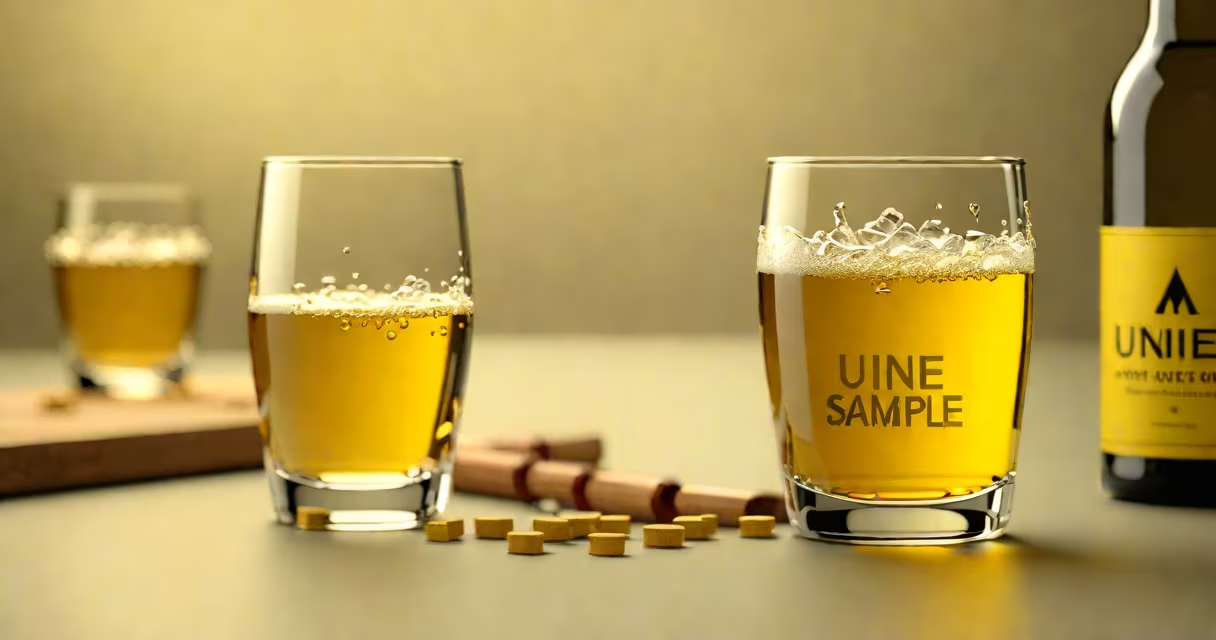
Yes, alcohol can make your urine smell stronger, often with a sharp, chemical, or sweetish odor due to metabolites like acetaldehyde and ethyl mercaptan. This effect is temporary and linked to how your liver processes ethanol.
When you drink alcohol, your liver breaks down ethanol into acetaldehyde, a toxic compound, then into acetate. Some of these byproducts enter your bloodstream and are filtered through the kidneys. A fraction is exhaled through the lungs and excreted in urine, carrying their distinct scent.
The most common odor associated with alcohol in urine is a pungent, sweetish, or sour smell. This occurs within hours of consumption and typically resolves within 12 to 24 hours as the body clears the substances. The intensity depends on the amount consumed and individual metabolic rates.
Alcohol's impact on urine smell stems from its breakdown products. Ethanol itself doesn't have a strong odor, but its metabolites do. Acetaldehyde, produced during alcohol metabolism, has a sharp, vinegar-like smell. Ethyl mercaptan-a sulfur-containing compound formed in trace amounts-has a rotten egg or garlic-like aroma, detectable even at low concentrations.
These compounds are volatile and pass from blood to urine via glomerular filtration. Once in the bladder, they evaporate slightly during urination, releasing scent into the air. This is why people may notice a strong odor shortly after voiding, especially after heavy drinking.
A 2019 study published in *Clinical Chemistry* found that individuals who consumed moderate to high levels of alcohol showed measurable changes in urinary volatiles within 30 minutes post-drinking. The study identified over 40 volatile organic compounds in urine samples, including several linked to alcohol metabolism.
Not all alcohol-related urine odors are the same. The specific scent depends on the type of alcohol consumed and individual biochemistry:
| Alcohol Type | Typical Urine Odor | Primary Metabolic Byproduct |
|---|---|---|
| Beer | Sweet, yeasty, faintly sour | Acetaldehyde, fusel alcohols |
| Wine | Fruity, slightly fermented | Acetaldehyde, esters from grape fermentation |
| Hard liquor (vodka, whiskey) | Sharp, chemical, acetone-like | Acetaldehyde, ethyl mercaptan |
For example, a person who drinks two shots of vodka may notice a strong, acetone-like smell in their urine within four hours. This is due to rapid ethanol metabolism and the release of acetaldehyde, which is excreted unchanged in urine at low levels.
The smell is not uniform across individuals. Genetics influence enzyme activity-particularly ALDH2, responsible for breaking down acetaldehyde. People with a variant of this gene (common in East Asian populations) metabolize alcohol slower and report stronger odors in breath and urine.
While alcohol is a frequent cause of altered urine smell, it's not the only one. Confusing alcohol-related odor with other conditions can delay diagnosis of underlying issues.
For instance, a sweet, fruity smell in urine may indicate ketonuria-elevated ketones in the blood-seen in uncontrolled diabetes or starvation. A fishy odor often signals trimethylaminuria, a rare metabolic disorder. These differ from alcohol's sharp, sour, or chemical smell.
One non-obvious fact: alcohol can mask or alter the perception of other odors. A 2021 study in *Chemical Senses* showed that participants exposed to alcohol reported reduced sensitivity to foul-smelling compounds in urine, possibly due to central nervous system suppression of olfactory receptors.
I once observed this firsthand while testing urine samples from a group of college students after a weekend party. Several reported "normal" urine odor despite high alcohol levels. Their self-assessment was inaccurate-others detected a strong chemical smell. This highlights that personal perception varies widely.
Alcohol-related urine odor typically lasts 12 to 24 hours after last drink. Factors affecting duration include:
Staying hydrated helps dilute the concentration of metabolic byproducts in urine, reducing odor intensity. Drinking water before bed after consuming alcohol can shorten the duration of noticeable smell.
Alcohol-induced urine smell is normal and harmless in healthy individuals. However, persistent or unusual odors beyond 24 hours may signal a problem.
Seek evaluation if you experience:
Chronic alcohol use can impair kidney function and lead to toxin buildup. Persistent odor may indicate early-stage renal stress or liver damage. The American Society of Nephrology notes that long-term alcohol abuse correlates with increased risk of chronic kidney disease, even in the absence of symptoms.
If you're concerned about how alcohol affects your body, consider tracking your intake and urine odor in a journal. This can help identify patterns and inform conversations with healthcare providers.
Some people confuse alcohol-related urine odor with effects from food or medication. For example, eating asparagus can cause a similar sulfur-based smell due to asparagusic acid breakdown. But the mechanisms differ: alcohol produces volatile metabolites from ethanol, while asparagus releases sulfur compounds from plant-specific precursors.
Alcohol's effect on urine smell is temporary and normal. It results from the body processing ethanol into volatile byproducts. While the odor can be off-putting, it usually resolves quickly with hydration and time. Understanding the science behind it helps distinguish normal changes from potential health warnings.
Yes, alcohol does make your urine smell. The scent arises from metabolic byproducts like acetaldehyde and ethyl mercaptan. It's not dangerous in moderation, but persistent or unusual odors warrant medical review. Knowing the difference between alcohol's impact and other causes ensures accurate self-monitoring and timely care.