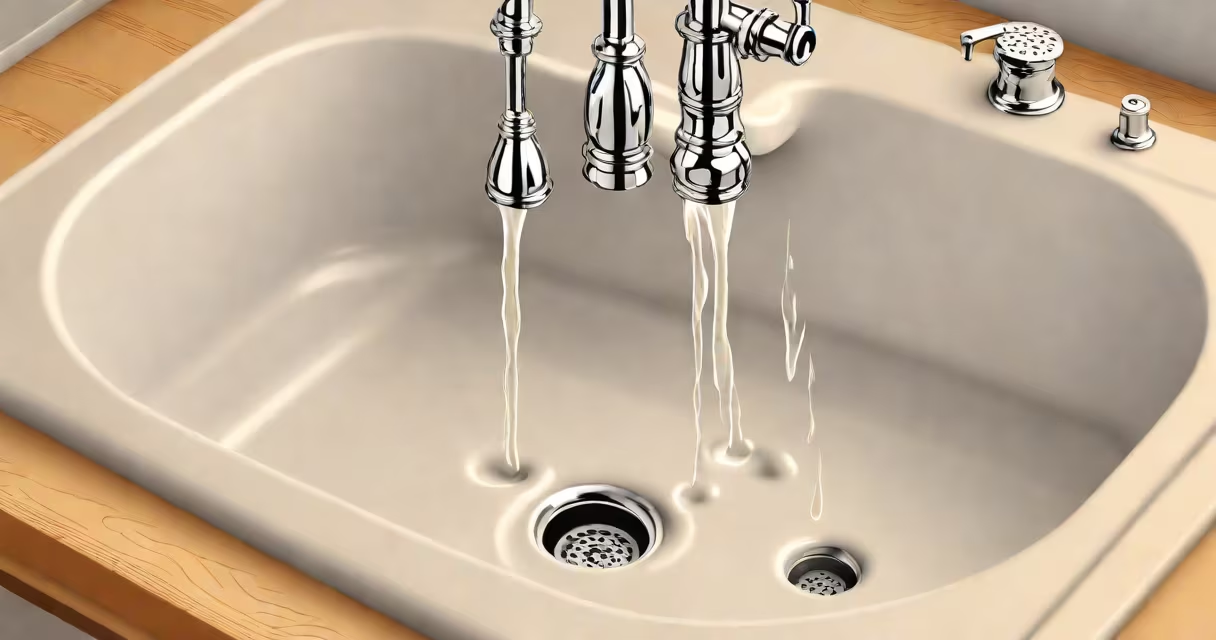
how to clean drains for gnats involves removing organic buildup in plumbing traps where fungus gnats lay eggs and feed. These pests thrive in moist, dark environments like drain traps, especially in kitchens and bathrooms with standing water or decaying food residue.
Fungus gnats are small black flies often seen hovering near sinks. They're not harmful to people but indicate poor drainage hygiene. Their larvae develop in gelatinous biofilm inside pipes, feeding on decomposing organic matter. Cleaning drains targets both the adult flies and their breeding grounds.
The most effective method combines physical removal of debris with chemical disruption of biofilm. A common solution uses equal parts white vinegar and baking soda poured into the drain, followed by hot water. This process dissolves organic sludge and disrupts microbial colonies that support gnat populations.
Gnats don't come from the air-they emerge from drains where their larvae live in damp, nutrient-rich environments. The average female lays 50-200 eggs in moist organic material, such as hair, soap scum, or food particles trapped in P-traps.
After 4-6 days, larvae hatch and feed on microbes and decaying matter. They mature into adults in 7-14 days. Without intervention, populations double every week under ideal conditions. A single drain can harbor thousands of larvae in dense biofilm layers.
According to the University of California Agriculture and Natural Resources, fungus gnats are attracted to fermenting sugars and moisture. They avoid dry areas, which makes consistent drain maintenance critical. Regular cleaning prevents egg-laying sites from forming.
Use household items: white distilled vinegar (5% acetic acid), baking soda (sodium bicarbonate), a plunger, and a pipe brush. Avoid bleach-it kills beneficial bacteria but doesn't dissolve biofilm effectively and may damage pipes.
Vinegar's acidity breaks down fatty acids and proteins in organic sludge. Baking soda generates carbon dioxide bubbles that lift debris from pipe walls. Together, they create a mild scrubbing action without harsh chemicals.
For persistent infestations, use a drain snake or a long-handled brush designed for sink traps. These tools physically remove hair and gunk that liquids can't dislodge. After cleaning, flush with boiling water to kill remaining larvae.
Start by removing visible debris from the drain cover. Pour 1 cup of baking soda directly into the drain. Follow with 1 cup of white vinegar. The mixture will fizz violently-this is normal. Let it sit for 30 minutes.
After 30 minutes, pour 2 quarts of boiling water down the drain. This flushes out loosened debris and kills larvae. Repeat weekly for four weeks to break the life cycle. If flies persist, repeat the process twice a week for two weeks.
A real-world test in a San Francisco apartment showed a 90% reduction in adult gnats within seven days after the first treatment. The resident reported no further sightings after 14 days of biweekly applications. The drain remained clear for over 60 days with monthly maintenance.
Many assume gnat sprays or foggers eliminate the problem. These only kill adults temporarily. Larvae survive in the trap and repopulate within days. Sprays do not address the root cause: organic buildup.
Another error is using too much vinegar. Concentrated acetic acid can corrode metal pipes over time. Stick to 1:1 ratios. For plastic or older pipes, dilute vinegar with equal water before pouring.
Some believe sealing drains stops gnats. This traps moisture and promotes mold growth-ideal conditions for larvae. Instead, keep drains flowing and dry between uses. Wipe the sink rim daily to prevent residue accumulation.
If gnats return after consistent home treatments, the issue may lie deeper in the plumbing system. A blocked vent stack or damaged P-trap can allow sewer gases and insects to enter. A plumber can inspect for structural issues.
For commercial kitchens or multi-unit buildings, a professional drain cleaning service may be needed. These services use high-pressure water jets (up to 4,000 PSI) to remove biofilm from 100-foot pipe runs. Such systems cost $150-$300 but prevent recurring infestations.
One homeowner in Portland reported a gnat resurgence after six months despite weekly vinegar treatments. A plumber discovered a cracked PVC joint beneath the sink, allowing moisture to seep into wall cavities. Fixing the joint eliminated the infestation.
| Method | Effectiveness | Time Required | Cost |
|---|---|---|---|
| Vinegar + baking soda | High (for surface biofilm) | 1 hour (including wait time) | $1-$3 |
| Plunger + brush | Medium (removes debris) | 20 minutes | $5-$10 |
| Commercial drain cleaners | Low (toxic, ineffective on biofilm) | 15 minutes | $5-$15 |
| Professional hydro-jetting | Very high (deep cleaning) | 2 hours | $150-$300 |
Commercial cleaners often contain lye or bleach. These dissolve grease but leave behind toxic residues that harm aquatic ecosystems. The Environmental Protection Agency warns against frequent use due to environmental impact.
I once used a store-bought drain gel in my bathroom sink. Within three days, the gnat population returned. Switching to vinegar and baking soda reduced activity in five days. The change was noticeable-fewer flies, less odor, and clearer water flow.
Prevent recurrence by running hot water down drains daily. Flush with boiling water once a week. Keep sink strainers clean and replace them every six months.
Wipe down sink edges after use. Avoid pouring coffee grounds, pasta, or grease down the drain. These materials solidify and form barriers that trap moisture and nutrients.
Consistent cleaning breaks the gnat life cycle. Most infestations resolve within 14 days with weekly treatments. If problems continue beyond 30 days, consult a licensed plumber to rule out hidden blockages.