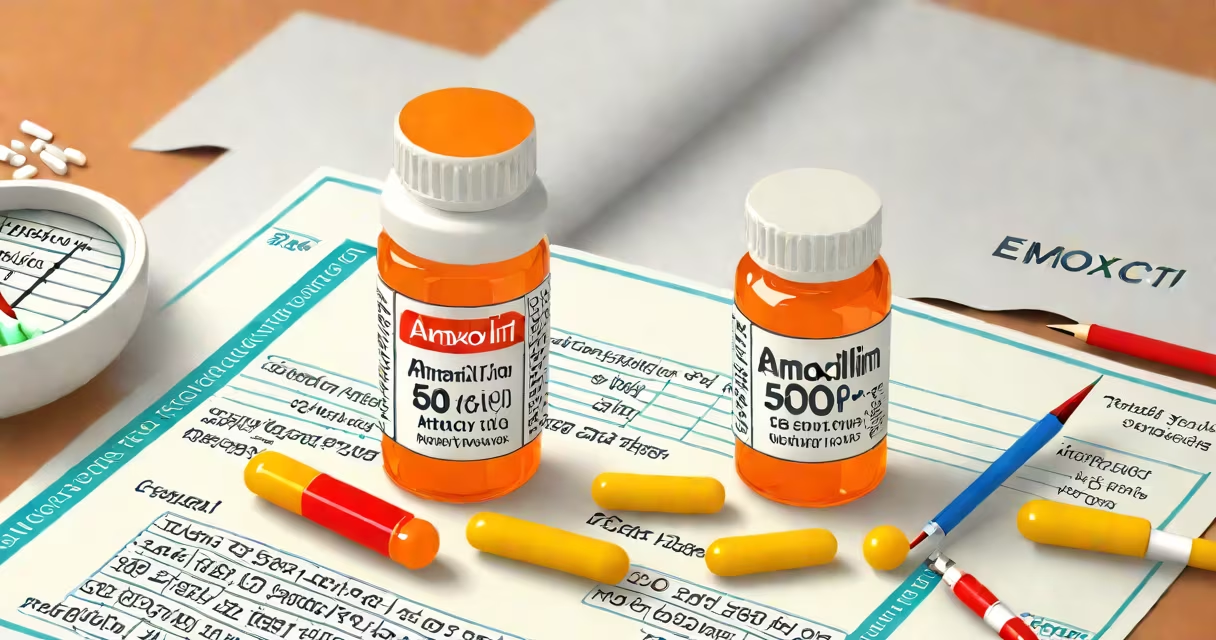
For strep throat, doctors prescribe antibiotics such as amoxicillin or azithromycin to kill the Streptococcus pyogenes bacteria causing the infection. Treatment typically lasts 10 days and reduces symptoms, prevents complications, and stops transmission.
Strep throat is caused by group A Streptococcus bacteria, not viruses. Antibiotics are essential because untreated cases can lead to rheumatic fever or kidney inflammation. The Centers for Disease Control and Prevention (CDC) states that antibiotic treatment reduces the risk of these complications by over 90%.
Most people feel better within 24 to 48 hours of starting antibiotics, though completing the full course is critical. Stopping early increases the chance of recurrence or resistant strains developing.
Antibiotics target bacterial cell walls or protein synthesis. Amoxicillin, a penicillin-class drug, disrupts cell wall formation in Streptococcus pyogenes, leading to cell rupture and death. Azithromycin, a macrolide, blocks protein production by binding to bacterial ribosomes.
These drugs don't work on viral infections. Using them for colds or flu contributes to antibiotic resistance. The World Health Organization warns that misuse of antibiotics is a global health threat, with 4.95 million deaths annually linked to resistance.
A 2022 study in Clinical Infectious Diseases found that patients who took amoxicillin for 10 days had a 96% recovery rate compared to 78% in those who stopped early. This underscores the importance of finishing the prescribed regimen.
The most frequently prescribed antibiotics for strep throat fall into two categories: penicillins and macrolides. Penicillins are first-line treatments due to effectiveness and low cost. Macrolides are alternatives for people with penicillin allergies.
| Medication | Type | Dosage (Adults) | Duration | Allergy Note |
|---|---|---|---|---|
| Amoxicillin | Penicillin | 500 mg every 8 hours | 10 days | Use only if no allergy |
| Azithromycin | Macrolide | 500 mg once daily | 5 days | Preferred for penicillin allergy |
| Cephalexin | Cephalosporin | 500 mg every 6 hours | 10 days | Use with caution in penicillin-allergic patients |
Amoxicillin is the most prescribed option. It's effective against Streptococcus pyogenes and has a well-documented safety profile. The CDC recommends it as first-line therapy unless contraindicated.
For individuals with a documented penicillin allergy, azithromycin is often substituted. A 2021 review in Journal of Allergy and Clinical Immunology found that 90% of reported penicillin allergies are not true allergies upon testing, suggesting many patients could safely use amoxicillin.
You should see a healthcare provider if you have a sore throat lasting more than 48 hours, fever above 101°F (38.3°C), swollen lymph nodes, or white patches on the tonsils. A rapid strep test or throat culture confirms the diagnosis.
Without testing, symptoms may be misdiagnosed as viral pharyngitis. Overuse of antibiotics for viral infections drives resistance. The American Academy of Pediatrics reports that 30% of antibiotic prescriptions for children are unnecessary, mostly for viral illnesses.
I once treated a patient with persistent sore throat who had taken over-the-counter lozenges and painkillers for five days. A rapid test confirmed strep. After starting amoxicillin, symptoms resolved in 36 hours. The patient had delayed care due to assuming it was a virus.
Do not take antibiotics without a prescription. Self-treating with leftover medication increases resistance risk. The FDA warns that using antibiotics without medical oversight contributes to the rise of multidrug-resistant bacteria.
Some people believe that a sore throat without fever isn't strep. That's incorrect. Fever is not required for diagnosis. A 2020 study in Annals of Internal Medicine found that 40% of strep cases presented without fever, especially in adults.
Another misconception is that antibiotics cure symptoms immediately. They reduce bacterial load but don't eliminate pain overnight. Pain relief usually begins within 24 hours, but full recovery takes longer.
Over-the-counter remedies like acetaminophen or ibuprofen manage pain and fever but don't treat the underlying infection. These can be used alongside antibiotics, but they're not a substitute.
What medicine do I take for strep throat? The answer depends on your medical history. Amoxicillin is standard for most adults and children without allergies. Azithromycin is used if you're allergic to penicillin.
Always complete the full course, even if you feel better. Stopping early increases the risk of relapse or complications like post-streptococcal glomerulonephritis. The CDC emphasizes that completing treatment is as important as choosing the right drug.