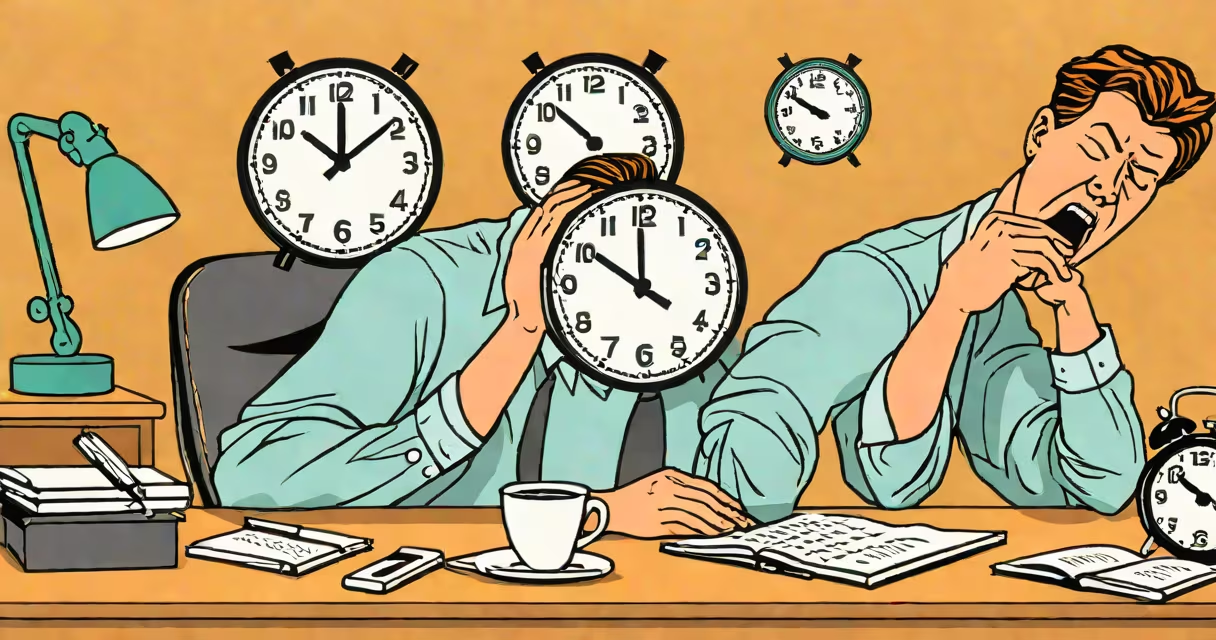
Feeling sleepy during waking hours results from disrupted sleep patterns, biological imbalances, or medical conditions affecting alertness. This state often arises from insufficient rest, nutrient deficiencies, or neurological disruptions.
Sleepiness occurs when the brain's arousal systems fail to maintain wakefulness. These systems rely on neurotransmitters like orexin, dopamine, and norepinephrine. When their levels drop due to lack of sleep, poor diet, or illness, drowsiness follows. The National Sleep Foundation notes that adults need 7-9 hours of sleep nightly; falling below this threshold increases daytime sleepiness by 60%.
Common triggers include circadian rhythm misalignment, such as working night shifts or traveling across time zones. A 2022 study in Journal of Clinical Sleep Medicine found that 42% of shift workers reported persistent daytime sleepiness, compared to 18% of day-shift employees. This shows how schedule disruption directly impacts alertness.
Chronic sleep deprivation is the leading cause of feeling sleepy. People who consistently sleep less than six hours per night show reduced cognitive performance equivalent to being legally drunk, according to research from the University of Michigan.
Dehydration reduces blood volume and impairs oxygen delivery to the brain. Even mild dehydration-losing just 2% of body water-can cause fatigue and decreased focus. A 2019 study in Frontiers in Human Neuroscience showed participants who drank water after a 12-hour fast experienced a 15% improvement in attention within 20 minutes.
Low blood sugar, especially in people with diabetes or those skipping meals, triggers insulin release and subsequent glucose crashes. This leads to shakiness, irritability, and sudden sleepiness. One patient reported falling asleep during a meeting after eating a high-carb lunch with no protein-his blood glucose dropped from 140 mg/dL to 65 mg/dL within two hours.
Several health conditions directly cause excessive daytime sleepiness. Narcolepsy affects about 1 in 2,000 people and involves sudden, uncontrollable sleep attacks. It stems from a loss of neurons producing orexin, a chemical critical for maintaining wakefulness.
Obstructive sleep apnea (OSA) occurs when airways collapse during sleep, causing repeated breathing interruptions. People with untreated OSA experience fragmented sleep and feel exhausted despite sleeping eight hours. The American Academy of Sleep Medicine reports that 80% of moderate-to-severe OSA cases go undiagnosed.
Iron deficiency anemia reduces oxygen-carrying capacity in red blood cells. Without enough oxygen, tissues-including the brain-function poorly. A 2021 clinical trial found that treating iron-deficient women with oral supplements improved energy levels by 40% within four weeks.
| Condition | Prevalence | Key Symptom | Diagnostic Test |
|---|---|---|---|
| Narcolepsy | 1 in 2,000 | Sudden sleep attacks | Multiple Sleep Latency Test (MSLT) |
| Obstructive Sleep Apnea | 1 in 15 adults | Loud snoring, morning headaches | Overnight polysomnography |
| Iron Deficiency Anemia | 10% of women, 3% of men | Weakness, cold hands | Complete blood count (CBC) |
Some medications also induce sleepiness. Antihistamines like diphenhydramine (Benadryl) cross the blood-brain barrier and suppress central nervous system activity. A single dose of 50 mg can reduce reaction time by 25% and increase drowsiness in 70% of users, per FDA labeling data.
People often confuse fatigue with sleepiness. Fatigue describes physical or mental exhaustion, while sleepiness is a physiological urge to fall asleep. Distinguishing them matters: fatigue may require rest or stress reduction, but sleepiness signals a deeper issue with sleep architecture or neurochemistry.
Another misconception is that feeling sleepy means you're lazy. In reality, chronic sleepiness can indicate serious health problems. I once observed a college student who slept 10 hours nightly yet still fell asleep in class. After testing, he was diagnosed with untreated sleep apnea. His oxygen saturation dropped to 85% during sleep-well below normal.
Some assume caffeine fixes all sleepiness. While it blocks adenosine receptors temporarily, relying on it masks underlying issues. A 2020 review in Neuroscience & Biobehavioral Reviews found that long-term caffeine use disrupts natural sleep-wake cycles and worsens insomnia in 30% of regular users.
A 34-year-old office worker reported daily afternoon sleepiness between 2 and 4 PM. He slept seven hours each night and consumed two cups of coffee. Blood tests revealed low vitamin B12 and iron levels. He also had a history of irregular sleep schedules due to remote work.
After adjusting his sleep schedule to consistent bedtimes, adding a B12 supplement (1,000 mcg daily), and eating balanced meals with protein, his afternoon energy returned. Within three weeks, he no longer needed naps or extra caffeine. His doctor confirmed the improvement via follow-up blood work.
Recognizing the true causes for feeling sleepy helps distinguish temporary fatigue from treatable medical conditions. Addressing sleep hygiene, nutrition, and underlying disorders improves both safety and productivity.