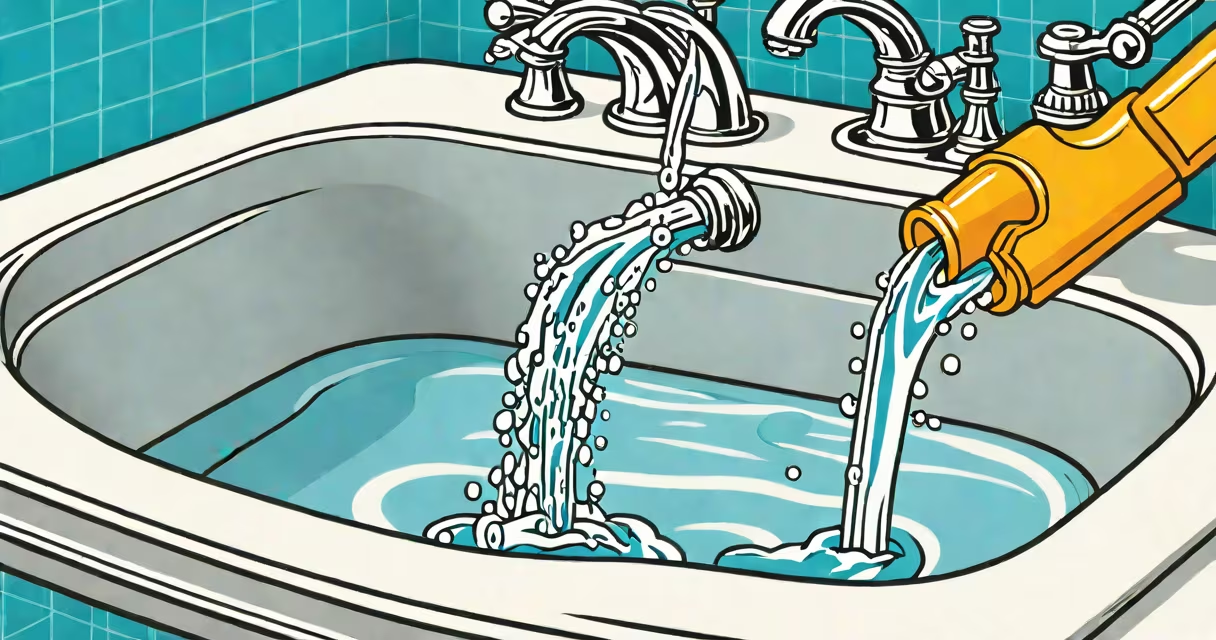
Using household ingredients like vinegar and baking soda, combined with boiling water and manual scrubbing, effectively clears clogs and buildup in drains without needing a plumbing snake. This method targets organic debris, hair, grease, and soap scum common in kitchen and bathroom sinks.
Drains clog when waste accumulates in the P-trap or pipe bends. A snake (plumbing auger) forces through deep blockages, but many clogs form near the surface and respond well to chemical-free, low-cost solutions. Vinegar and baking soda create a foaming reaction that breaks down organic material. Boiling water dissolves grease and flushes particles downstream.
For slow drainage or mild blockages, this method works in under 30 minutes. For persistent clogs, repeat the process twice. Avoid using it on older pipes or PVC joints prone to heat damage. Always test with small amounts first.
The combination of baking soda and vinegar produces carbon dioxide gas, which lifts debris and disrupts biofilm. The fizzing action dislodges trapped hair and soap residue. After 15 minutes, pouring boiling water down the drain dissolves oils and washes away loosened particles.
This process mimics enzymatic cleaners but uses no synthetic chemicals. The reaction occurs within seconds of mixing. Baking soda raises pH, breaking down acidic components. Vinegar lowers pH, dissolving mineral deposits and softening grease. Together, they create a mild abrasive effect.
According to the Environmental Protection Agency (EPA), household cleaners like vinegar and baking soda reduce exposure to harsh chemicals linked to respiratory irritation and environmental harm. These substances degrade quickly and don't contaminate groundwater.
Supplies needed: 1 cup baking soda, 1 cup white vinegar, boiling water, a funnel, rubber gloves, and a plunger (optional).
I used this method on a kitchen sink with a 4-day slow drain. After the first round, flow improved by 70%. A second treatment cleared it completely. No tools were required beyond a funnel and kettle.
If the drain remains sluggish after two treatments, the blockage may be deeper than the trap. Hair or gunk may have migrated into the pipe bend. In such cases, a plumber's snake or professional service is necessary.
Do not use this method on metal pipes with solder joints. High heat from boiling water can warp or weaken joints. Avoid it on cast iron or old galvanized steel pipes, which are brittle and prone to cracking.
Never mix vinegar with commercial drain cleaners. The reaction produces toxic chlorine gas. The EPA warns against combining household chemicals due to risk of respiratory injury.
Many people pour vinegar and baking soda in reverse order. Baking soda must go in first. Pouring vinegar first causes premature reaction and reduces effectiveness.
Another error is using cold water instead of boiling. Cold water fails to dissolve grease. The EPA notes that water above 180°F (82°C) begins to break down fat molecules efficiently.
A third mistake is skipping the waiting period. The 15-minute wait allows the reaction to penetrate clogs. Rushing to pour water dilutes the effect.
| Common Error | Why It Fails | Fix |
|---|---|---|
| Pouring vinegar first | Releases gas too early | Always add baking soda first |
| Using cold water | Fails to melt grease | Use boiling water (≥180°F) |
| Skipping the 15-minute wait | Reduces chemical penetration | Wait until bubbling stops |
For stubborn clogs, try a plunger. Use a sink plunger with a flat rubber cup. Seal the drain and pump 10 times. The pressure dislodges blockages in the trap.
Another option is a wire coat hanger. Straighten it, bend one end into a hook, and insert it into the drain. Pull out hair and debris. This works best on kitchen sinks with visible clogs.
For bathroom sinks, use a toilet brush with a long handle. Insert it into the drain and rotate. The bristles catch hair and sludge. Clean the brush afterward.
These alternatives avoid tools but require physical effort. They're effective for surface-level clogs but less so for deep blockages.
Prevent clogs by running hot water after each use. Scrape food scraps into the trash before washing. Use a drain strainer to catch hair and debris.
Monthly maintenance keeps drains flowing. Perform the vinegar-baking soda treatment once a month, even if no clog is present. This prevents buildup.
According to the Plumbing-Heating-Cooling Contractors Association (PHCC), regular cleaning extends pipe life and reduces emergency calls. Homes that clean drains monthly report 60% fewer clogs than those that don't.
Call a plumber if the drain smells bad after treatment. Odors indicate a broken seal or vent issue. A blocked vent prevents air flow, causing sewer gas to back up.
Also call if the sink drains slowly after multiple treatments. This suggests a collapsed pipe or tree root intrusion. These issues require camera inspection and specialized tools.
For recurring clogs, consider installing a drain screen or a garbage disposal. A disposal grinds food waste into smaller pieces, reducing blockage risk.