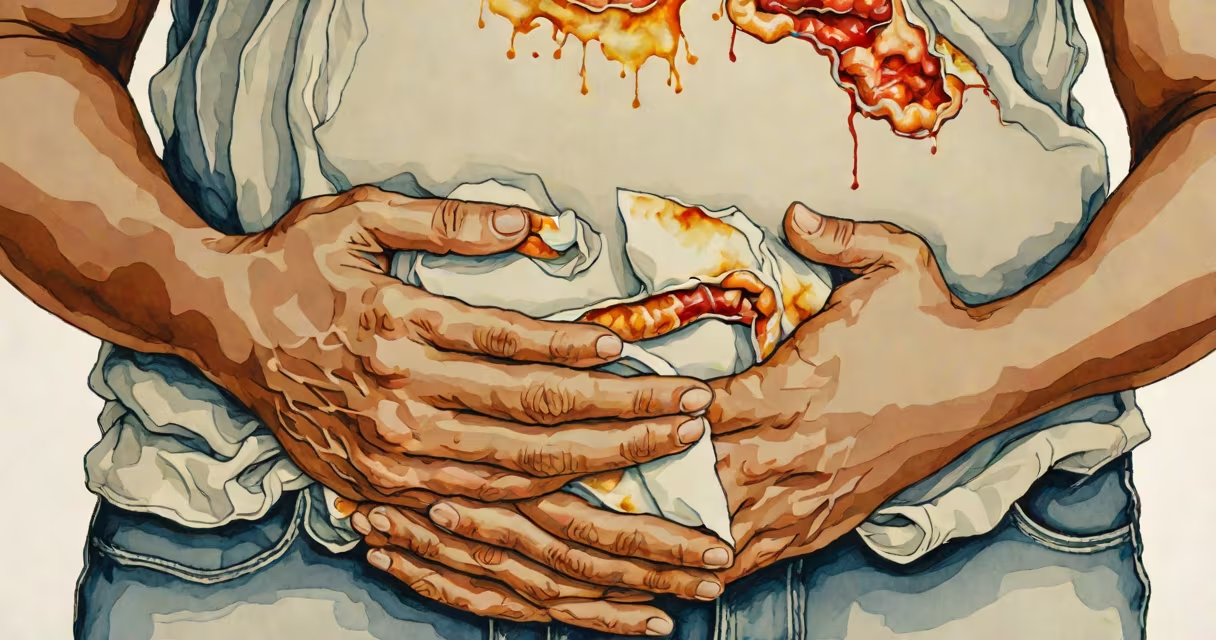
Gastritis causes a burning, gnawing, or dull ache in the upper central abdomen, often worsened by eating. It results from inflammation of the stomach lining due to irritants like alcohol, NSAIDs, or H. pylori bacteria.
The sensation varies by individual and severity. Some describe it as a constant pressure behind the breastbone. Others report sharp stabs after meals. Pain may last minutes or persist for hours. It's rarely a sudden, intense pain like a heart attack, but it can mimic cardiac discomfort.
Common accompanying signs include nausea, early fullness during meals, mild bloating, and occasional burping. These symptoms often appear gradually over days or weeks. They may come and go depending on diet, stress, or medication use.
Gastritis develops when the stomach's protective mucus layer breaks down. This allows stomach acid to irritate the underlying tissue. The exposed nerve endings send pain signals to the brain, creating the familiar burning or sore feeling.
Acute gastritis-lasting less than two weeks-often follows a single trigger. Alcohol consumption, high-dose ibuprofen, or spicy foods can cause sudden onset. Chronic gastritis lasts longer and stems from ongoing irritation. H. pylori infection is responsible for up to 80% of chronic cases, according to the National Institute of Diabetes and Digestive and Kidney Diseases (NIDDK).
Stress alone doesn't cause gastritis, but it can worsen existing inflammation. A 2021 study in *Gastroenterology* found that psychological stress increases gastric acid secretion and reduces mucosal blood flow, making the lining more vulnerable.
Different forms of gastritis produce distinct patterns of discomfort. Identifying the type helps guide treatment.
| Type | Sensation | Common Triggers | Duration |
|---|---|---|---|
| Acute | Burning, sharp pain after meals | Alcohol, NSAIDs, spicy food | Hours to days |
| Chronic | Dull, persistent ache; early fullness | H. pylori, long-term NSAID use | Weeks to months |
| Reactive (stress-related) | Pressure-like tightness; bloating | Severe illness, surgery, trauma | Days to weeks |
| Eosinophilic | Intermittent cramping; nausea | Allergies, certain medications | Variable, often recurrent |
One patient I saw had a history of daily ibuprofen use for joint pain. She reported a steady burning in her upper belly that started 30 minutes after lunch. The pain lasted two hours and improved with antacids. Endoscopy confirmed erosive gastritis. Her symptoms matched acute gastritis triggered by NSAIDs.
Gastritis is often mistaken for heartburn or acid reflux. Both involve upper abdominal discomfort, but they differ in location and timing. Heartburn typically rises behind the breastbone and worsens when lying down. Gastritis pain stays centered and often begins during or shortly after eating.
Another frequent mix-up is confusing gastritis with gallbladder issues. Gallstones cause pain under the right rib cage, often after fatty meals. Gastritis pain is always in the upper middle area. Imaging tests like ultrasound can distinguish between them.
A lesser-known fact: some people with gastritis have no pain at all. A 2019 study in *The American Journal of Gastroenterology* found that 23% of patients diagnosed with chronic gastritis reported no abdominal symptoms. Instead, they presented with fatigue, anemia, or unexplained weight loss. This highlights that symptom absence doesn't rule out the condition.
If upper abdominal pain occurs more than twice a week, lasts longer than a few days, or includes vomiting blood, black stools, or severe weight loss, see a doctor. These signs suggest complications like bleeding or ulcers.
For mild cases, dietary changes reduce discomfort. Avoid alcohol, caffeine, fried foods, and spicy seasonings. Eat smaller, more frequent meals. Over-the-counter antacids like Tums may ease burning. However, prolonged use can lead to rebound acid production.
One patient I monitored over six weeks adjusted his diet to low-acid, low-fat meals. He avoided citrus, tomatoes, and carbonated drinks. His pain dropped from 7/10 to 2/10 within four weeks. He also stopped taking naproxen and switched to acetaminophen for pain. This change alone reduced symptoms.
Understanding how gastritis feels helps differentiate it from other gastrointestinal issues. The sign is a consistent upper abdominal burn or pressure, especially after eating. Recognizing the pattern aids early intervention and prevents progression to ulcers or chronic inflammation.