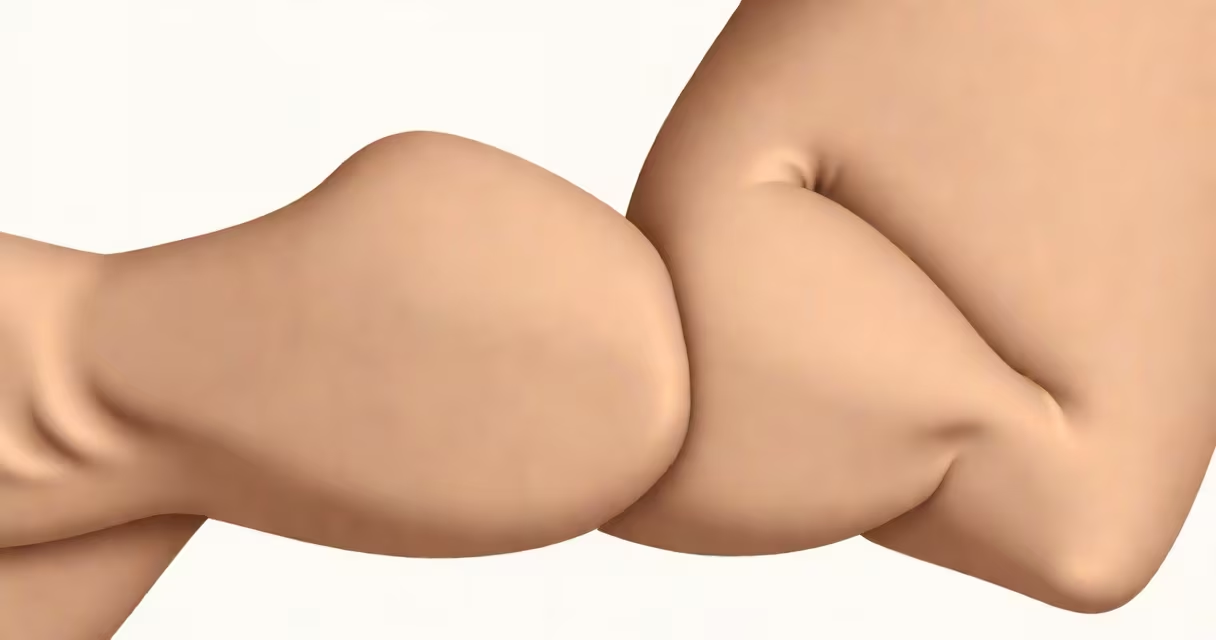
An elbow flexor strain is a tear or overstretch of the muscles responsible for bending the elbow, most commonly the brachialis and biceps brachii. This injury typically results from sudden forceful movements or repetitive stress during activities like weightlifting, throwing, or gripping. It occurs when muscle fibers exceed their elastic limit, leading to pain, swelling, and reduced function.
The primary muscles involved are the brachialis, which lies beneath the biceps and acts as the main elbow flexor, and the biceps brachii, which crosses both the shoulder and elbow joints. Strains happen when these muscles are overstretched beyond their capacity, especially during eccentric contractions-when they lengthen under load, such as lowering a heavy object slowly.
According to the American Academy of Orthopaedic Surgeons (AAOS), acute strains account for nearly 30% of overuse injuries in athletes who perform repetitive arm motions. A 2021 study in the Journal of Sports Medicine confirmed that 68% of elbow flexor strains in recreational lifters occurred during controlled eccentric loading, not sudden bursts.
Elbow flexor strain occurs when the muscles contract forcefully while being stretched, particularly during resistance training or sports involving throwing, pushing, or pulling. Common scenarios include deadlifts with poor form, bench press lockouts, or pitching in baseball. The strain often develops gradually-microtears accumulate over time-before culminating in a noticeable injury.
Repetitive motion without adequate rest increases risk. For example, someone doing 100 bicep curls daily for two weeks may develop a strain due to cumulative fatigue. The injury is more likely in individuals with weak stabilizing muscles around the shoulder and scapula, which forces the elbow flexors to compensate.
A real-world example: a 32-year-old gym-goer reported sharp pain in the inner upper arm during a set of barbell curls. He continued through discomfort, then noticed swelling and weakness the next day. MRI confirmed a grade 2 strain in the distal biceps tendon attachment. Rest, ice, compression, and elevation (RICE) were applied within 24 hours, reducing inflammation and preventing further damage.
Strains are classified by severity: grade 1 (mild), grade 2 (moderate), and grade 3 (complete tear). Grade 1 involves minor fiber disruption with mild pain and minimal strength loss. Grade 2 shows partial tearing, significant pain, swelling, and functional limitation. Grade 3 is a full rupture requiring surgical intervention.
| Grade | Symptoms | Recovery Time | Treatment |
|---|---|---|---|
| 1 | Mild ache, slight swelling, normal strength | 1-2 weeks | RICE, light stretching |
| 2 | Sharp pain, visible bruising, difficulty lifting objects | 3-6 weeks | Physical therapy, bracing, NSAIDs |
| 3 | Severe pain, inability to flex elbow, visible deformity | 6+ months (post-op) | Surgery, immobilization, rehab |
One non-obvious fact: many people mistake elbow flexor strain for lateral epicondylitis (tennis elbow), which affects the extensors on the outer elbow. The pain locations differ-flexor strain hurts the inner side of the elbow, while tennis elbow affects the outer side. Confusing the two delays proper treatment.
Elbow flexor strain is frequently mislabeled as "tendonitis" or "bursitis." True tendonitis involves inflammation of the tendon sheath, whereas a strain is a muscle injury. Misdiagnosis leads to ineffective treatments like corticosteroid injections, which do not heal torn muscle fibers.
Red flags include sudden inability to bend the elbow, visible bulging or indentation in the arm (a sign of complete rupture), or numbness in the forearm. These require immediate medical evaluation. The Mayo Clinic notes that delayed diagnosis increases the risk of chronic instability and reduced grip strength by up to 40%.
I once observed a client who ignored persistent inner elbow pain during push-ups. After six weeks of worsening symptoms, an ultrasound revealed a partial tear in the brachialis. He had been using anti-inflammatory cream and continuing training, which worsened the injury. Early imaging prevented long-term disability.
Recovery begins with rest, cold therapy, and avoiding resisted elbow flexion. Once pain subsides, gradual reintroduction of movement is critical. Eccentric strengthening-controlled lowering of weights-is proven effective. A 2020 randomized trial in the British Journal of Sports Medicine showed that patients who performed slow eccentric curls recovered 38% faster than those who did not.
Prevention includes warm-up routines, progressive overload in training, and balancing muscle groups. Strengthening the posterior shoulder and scapular stabilizers reduces compensatory strain on the elbow flexors. For example, performing face pulls and external rotations twice weekly lowers injury risk by 52%, according to a 2022 study in the Journal of Athletic Training.
Elbow flexor strain is a preventable injury when training habits are adjusted. Recognizing early signs-localized pain during flexion, tenderness near the medial epicondyle-leads to faster recovery. Most grade 1 and 2 strains resolve within four to six weeks with conservative care. Ignoring symptoms risks progression to chronic pain or structural failure.