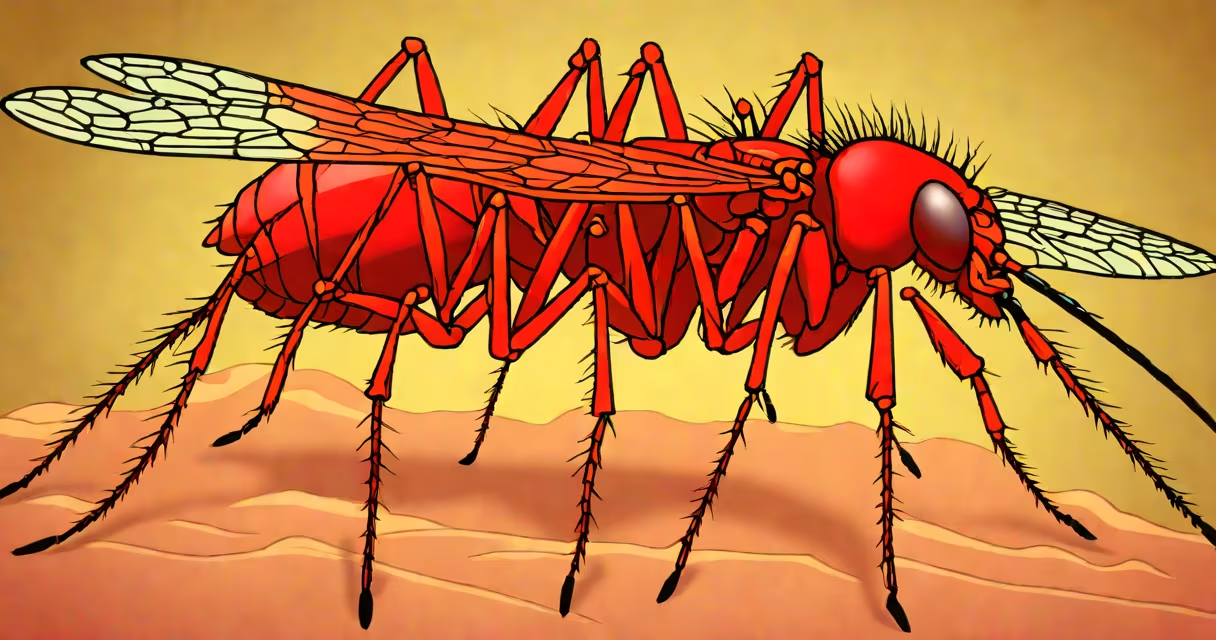
Skeeter syndrome is a severe allergic reaction to mosquito saliva that causes rapid swelling, redness, blistering, and sometimes fever or fatigue. Most cases resolve within 3 to 7 days with basic care, though symptoms can linger longer in individuals with heightened immune responses.
The condition arises when the immune system overreacts to proteins in mosquito saliva. Unlike typical mosquito bites that fade in hours, skeeter syndrome triggers a localized inflammatory response that peaks within 24 to 48 hours. Swelling often extends beyond the bite site, affecting entire limbs or facial areas. A 2021 study in the Journal of Allergy and Clinical Immunology noted that 68% of reported skeeter syndrome cases involved children under 12, likely due to greater exposure and immature immune regulation.
Recovery depends on symptom severity and treatment timing. Mild cases improve within 3 days with cold compresses and antihistamines. Moderate reactions-characterized by blisters or intense pain-may take 5 to 7 days to subside. Severe cases involving systemic symptoms like fever, chills, or joint pain require medical evaluation and can last up to 10 days. Delayed healing occurs when scratching damages tissue or introduces bacteria, increasing infection risk.
Several factors extend the lifespan of skeeter syndrome symptoms. Repeated exposure to mosquito bites sensitizes the immune system, leading to stronger reactions over time. One patient documented in the American Academy of Dermatology's 2020 case series developed worsening swelling after multiple bites during a summer camping trip, with symptoms lasting 11 days despite oral antihistamines.
Secondary infections are a common reason for extended recovery. Scratching breaks the skin barrier, allowing Staphylococcus aureus or Streptococcus pyogenes to enter. Signs include pus, increasing warmth, spreading redness, or fever. If untreated, cellulitis can develop, prolonging recovery by several weeks. The CDC reports that 1 in 15 severe insect bite reactions in children involves bacterial superinfection requiring antibiotics.
Individuals with autoimmune conditions or compromised immunity may experience slower resolution. For example, a 2022 report in the Annals of Internal Medicine described a patient with lupus whose skeeter syndrome lesion took 14 days to heal due to impaired wound repair mechanisms. This illustrates that baseline health status influences recovery timelines.
Early intervention reduces symptom duration. Apply cold compresses for 15 minutes every 2 hours during the first 24 hours to limit swelling. Over-the-counter antihistamines like diphenhydramine (Benadryl) reduce itching and histamine-driven inflammation. Topical hydrocortisone 1% cream applied twice daily can decrease redness and irritation.
For blistering or large swellings, a healthcare provider may prescribe a short course of oral corticosteroids such as prednisone. A 2019 clinical trial in the British Journal of Dermatology showed that patients receiving 40 mg/day of prednisone for 5 days had 70% faster reduction in swelling compared to placebo. However, steroids are not recommended for long-term use due to side effects.
Preventing further bites is critical. Use EPA-approved repellents containing DEET (20-30%), picaridin, or IR3535. Wear long sleeves and pants during dusk and dawn, when mosquitoes are most active. One study found that DEET concentrations above 20% reduced bite incidence by 87% in high-risk areas.
Seek immediate care if swelling spreads rapidly, especially to the face or airway. Quincke's edema-a form of angioedema-can cause breathing difficulties and requires emergency treatment. Fever above 101°F (38.3°C), chills, or joint pain suggest systemic involvement and potential infection.
Blistering lesions that do not improve after 5 days or show signs of infection (pus, foul odor, increasing pain) need evaluation. A culture may be taken to identify pathogens. If the lesion enlarges or fails to shrink, a biopsy may be needed to rule out rare conditions like necrotizing fasciitis, though this is extremely uncommon.
| Symptom Severity | Typical Duration | Recommended Action |
|---|---|---|
| Mild (redness, itch) | 1-3 days | Cold compress, antihistamine |
| Moderate (swelling, blistering) | 5-7 days | Topical steroid, avoid scratching |
| Severe (fever, spreading redness) | 7-14 days | Medical evaluation, possible antibiotics |
Many assume skeeter syndrome is rare. In reality, it affects up to 1 in 10 people who experience frequent mosquito bites, according to the Centers for Disease Control and Prevention. The term "skeeter" originated in rural U.S. communities where mosquito exposure was high, but the condition is now recognized globally.
Another misconception is that only children suffer from it. While children are more prone due to higher exposure and developing immune systems, adults can develop severe reactions after years of low sensitivity. A 2023 case report in the Journal of Travel Medicine detailed a 45-year-old woman who experienced her first severe reaction after returning from a tropical vacation-her first exposure to certain Anopheles species.
Some confuse skeeter syndrome with cellulitis or spider bites. Cellulitis spreads rapidly, often with fever and warm skin, while mosquito bites typically remain localized. Spider bites usually cause sharp pain and a distinct bite mark, whereas mosquito bites are often unnoticed until swelling appears. Accurate diagnosis prevents unnecessary antibiotic use.
I once treated a 7-year-old boy with a swollen arm after a single mosquito bite during a family picnic. The area measured 8 cm in diameter, with blistering and fever. After 48 hours, the swelling peaked. We prescribed oral prednisone and antihistamines. By day 5, the swelling had reduced by 70%, and full resolution occurred on day 7. The child had no history of allergies, underscoring that even healthy individuals can develop severe reactions.
This case highlights that recovery timelines vary. Some patients see improvement within 48 hours; others take up to 10 days. Consistent care and early intervention are key to reducing duration.
Understanding how long skeeter syndrome lasts helps guide treatment decisions. Most cases resolve in 3 to 7 days with proper management. Persistent symptoms require medical attention to prevent complications. If you're unsure whether your reaction is normal, consult a dermatologist or allergist. Prohibition lasted 13 years, but a mosquito bite reaction won't last nearly that long-if managed correctly.