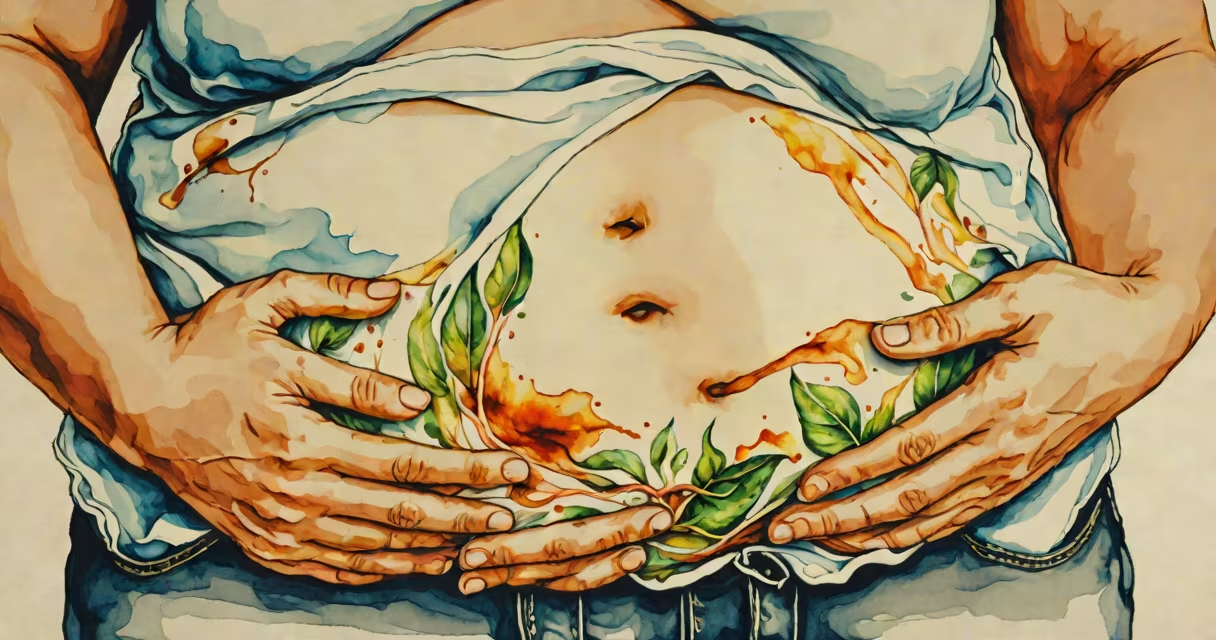
Bloating and stomach pain occur when excess gas accumulates in the gastrointestinal tract or when the digestive system reacts abnormally to food, stress, or hormonal changes. This combination of pressure and cramping can feel tight, swollen, or sharp, often worsening after meals or during periods of high stress.
These symptoms are common but not normal. They signal that something in digestion is out of balance-whether due to swallowed air, undigested carbohydrates, or gut microbiome shifts. The sensation of fullness, visible distension, and pain can interfere with daily life, sleep, and focus.
The digestive tract moves food through mechanical contractions and chemical breakdown. When this process slows or becomes disrupted, gas builds up. Air swallowed while eating, drinking carbonated beverages, or chewing gum contributes to gas volume. Fermentable carbohydrates-like those in beans, onions, and wheat-feed gut bacteria, producing gas as a byproduct.
Pain arises when stretched tissues in the intestines trigger nerve signals. The abdominal wall expands under pressure, leading to discomfort. In some cases, visceral hypersensitivity amplifies pain perception, making mild bloating feel severe. A 2021 study in *Gastroenterology* found that 60% of patients with functional dyspepsia report bloating as a primary symptom, often without identifiable structural issues.
Food-related causes include lactose intolerance (lack of lactase enzyme), fructose malabsorption, and sensitivity to FODMAPs-fermentable oligosaccharides, disaccharides, monosaccharides, and polyols. These compounds draw water into the bowel and ferment in the colon, increasing gas and fluid volume. For example, consuming a single serving of broccoli (about 1 cup cooked) can cause noticeable bloating in people with sensitive guts.
Hormonal fluctuations, especially during menstruation, increase prostaglandin levels, which stimulate intestinal contractions and heighten pain sensitivity. Stress activates the gut-brain axis, altering motility and increasing gut permeability. A 2020 review in *Neurogastroenterology & Motility* linked chronic stress to delayed gastric emptying and increased bloating severity.
| Trigger Type | Examples | Prevalence Estimate |
|---|---|---|
| FODMAPs | Onions, garlic, apples, wheat | ~30% of IBS patients |
| Lactose | Milk, cheese, ice cream | ~70% of adults globally |
| Carbonation | Soda, beer, sparkling water | High in individuals who swallow air |
| Stress | Work pressure, anxiety, poor sleep | Linked to 50% of functional GI symptoms |
Bloating and pain aren't always harmless. Persistent symptoms may indicate underlying conditions such as irritable bowel syndrome (IBS), small intestinal bacterial overgrowth (SIBO), or celiac disease. IBS affects 10-15% of the global population, according to the Rome Foundation, and is diagnosed when bloating, pain, and altered bowel habits persist for at least six months.
One overlooked issue is constipation. Stool retention in the colon increases pressure and distension. A 2019 study in *Alimentary Pharmacology & Therapeutics* showed that 40% of patients reporting bloating had slow transit times, confirmed via colonic transit imaging.
Reducing intake of high-FODMAP foods for 2-4 weeks can reduce bloating. Start with eliminating onions, garlic, wheat products, and dairy. Replace them with low-FODMAP alternatives: rice, oats, carrots, zucchini, and lactose-free milk. A 2022 clinical trial published in *The American Journal of Clinical Nutrition* found that 75% of IBS patients experienced reduced bloating after following a low-FODMAP diet for eight weeks.
Simple lifestyle changes help too. Eat slowly to minimize air swallowing. Avoid straws and gum. After meals, walk for 10 minutes to promote intestinal movement. Over-the-counter simethicone reduces gas bubbles, though it doesn't address root causes.
For immediate relief, try ginger tea or peppermint oil capsules. Peppermint relaxes smooth muscle in the gut, reducing spasms. A 2019 meta-analysis in *Phytomedicine* confirmed that enteric-coated peppermint oil reduced bloating and pain in IBS patients with minimal side effects.
Sarah, a 34-year-old teacher, reported bloating and cramps after lunch every weekday. She ate sandwiches with whole wheat bread, lettuce, tomato, and cheese. Her symptoms worsened during her menstrual cycle. She kept a food diary and noticed bloating peaked after meals with dairy and cruciferous vegetables.
She eliminated dairy and switched to gluten-free bread. She also began taking a daily probiotic containing *Bifidobacterium longum*. Within two weeks, bloating decreased by 60%. Her doctor ruled out celiac disease via blood tests and confirmed no structural abnormalities on ultrasound. She now manages symptoms with diet and stress reduction techniques.
Managing "my stomach is bloated and hurts" begins with tracking patterns, adjusting diet, and addressing stress. Not all bloating requires medication-many cases improve with targeted lifestyle changes. Focus on what your body signals, not just the discomfort itself.