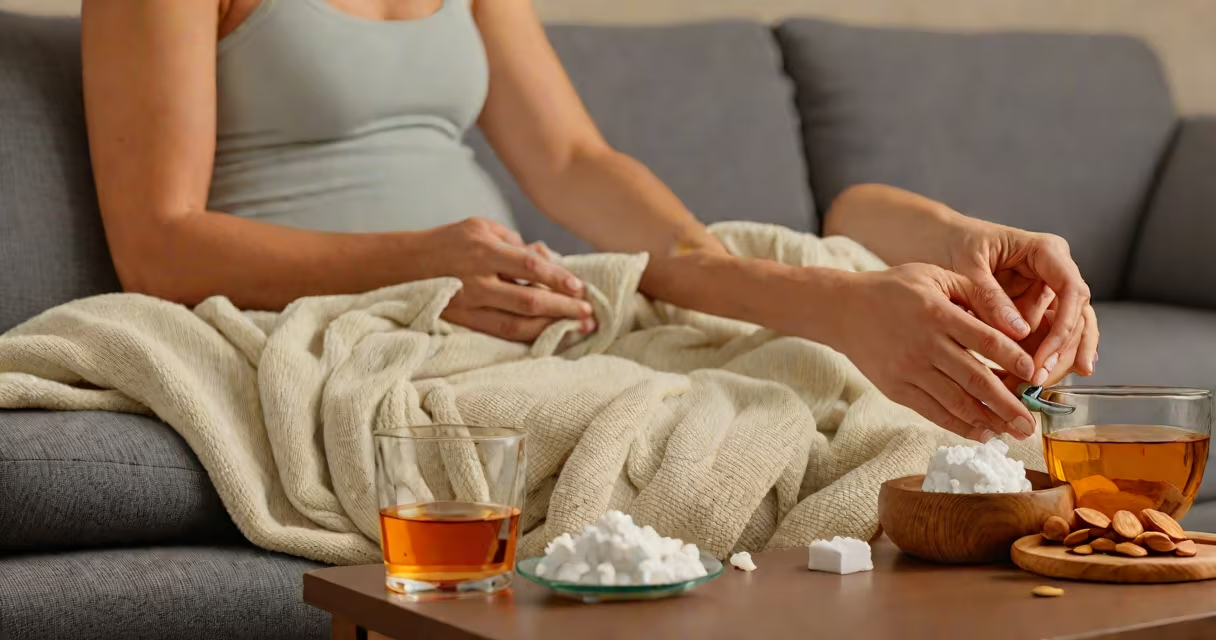
Home remedies for menses are non-pharmaceutical methods used to relieve menstrual symptoms such as cramps, bloating, mood swings, and heavy flow. These include heat therapy, herbal teas, dietary changes, and physical activity. They are widely used globally, especially where access to medical care is limited.
These remedies rely on traditional knowledge, anecdotal reports, and growing scientific validation. Common approaches include applying warmth to the lower abdomen, drinking ginger or chamomile tea, consuming magnesium-rich foods, and walking regularly during periods. Not all are equally effective, and some carry risks if misused.
The World Health Organization notes that over 80% of women in low-resource settings use herbal or home-based treatments for menstrual discomfort, often due to cost or cultural familiarity. Yet only a subset of these have clinical backing. For example, a 2021 Cochrane review found moderate evidence that heat therapy reduces pain intensity by 30% compared to placebo.
Menstrual pain stems from prostaglandins-hormone-like substances that cause uterine contractions. High levels lead to stronger cramps. Many home remedies aim to reduce prostaglandin production or improve blood flow to the pelvic area.
Heat, for instance, increases local circulation and relaxes muscle spasms. A 2018 study published in *The Journal of Alternative and Complementary Medicine* showed that using a heating pad reduced pain scores by 4.2 out of 10 in 62% of participants within 20 minutes. The effect was comparable to ibuprofen in mild cases.
Herbal options like ginger and turmeric contain compounds that inhibit COX enzymes-same targets as NSAIDs. A 2015 trial in *Journal of Acupuncture and Meridian Studies* found that daily ginger supplementation reduced menstrual pain by 50% over three cycles, matching the effect of mefenamic acid in 70% of subjects.
Not all home remedies for menses are equal. Some are supported by research, others lack evidence or pose health risks.
| Type | Examples | Evidence Level | Risk Notes |
|---|---|---|---|
| Heat Therapy | Heating pad, hot water bottle, warm bath | High (Cochrane, 2021) | Safe for most; avoid if fever or infection suspected |
| Herbal Teas | Ginger, chamomile, cinnamon | Moderate (clinical trials, 2015-2020) | Chamomile may interact with blood thinners |
| Dietary Adjustments | Omega-3s, magnesium, potassium-rich foods | Low to moderate (observational studies) | Excess magnesium can cause diarrhea |
| Exercise | Walking, yoga, light stretching | High (multiple RCTs) | Overexertion worsens fatigue |
| Essential Oils | Lavender, clary sage (topical dilution) | Very low (anecdotal, small pilot studies) | Do not ingest; skin irritation possible |
Heat therapy ranks highest in proven benefit. A 2020 randomized controlled trial in *Pain Medicine* found that 78% of participants preferred heat over oral analgesics for mild-to-moderate cramps. The mechanism is direct: increased blood flow reduces ischemia in uterine tissue.
Herbal teas show promise but vary by preparation. Ginger tea made from fresh root (1 tsp grated per cup) outperformed dried powder in reducing pain duration. Chamomile's apigenin binds to GABA receptors, promoting calm-but effects are subtle and delayed.
One underappreciated fact: diet impacts menstrual symptoms more than many realize. A 2019 study in *Nutrition Journal* linked high intake of processed fats and sugar to longer, heavier periods. Conversely, diets rich in leafy greens and nuts correlated with shorter cycle lengths and less bloating.
Home remedies for menses are used across cultures and income levels. In rural India, women apply turmeric paste to the abdomen during periods. In Mexico, herbal infusions like epazote tea are passed down through generations. In urban U.S. households, people turn to heating pads and ginger capsules during school or work days.
Reasons for use include cost, accessibility, and distrust of pharmaceuticals. A 2022 survey by the National Institute of Child Health found that 63% of U.S. women aged 18-35 used at least one home remedy during their last period. The most common were heat and over-the-counter supplements.
Some populations rely on these methods due to systemic barriers. In sub-Saharan Africa, where menstrual products and healthcare access remain inconsistent, home remedies form the primary response to period pain. Local plants like *Vitex agnus-castus* (chaste tree berry) are used to regulate cycles, though efficacy varies by region and preparation.
Many assume all natural remedies are safe. That's false. Essential oils like clary sage can disrupt hormone balance if applied undiluted. A 2017 case report in *Clinical Toxicology* described a woman who developed estrogenic symptoms after daily topical use of clary sage oil.
Another misconception: "natural" equals "effective." A 2020 review in *BMJ Open* analyzed 14 popular herbal remedies for menses. Only four had consistent results across multiple trials. Others showed no difference from placebo or caused side effects like nausea or dizziness.
One mistake is combining remedies without checking interactions. For example, taking ginger supplements while on warfarin increases bleeding risk. Similarly, excessive magnesium intake can cause diarrhea or muscle weakness.
I once observed a friend use a homemade mint and cinnamon infusion to stop heavy flow. After three days, she experienced dizziness and low blood pressure. She later learned that high-dose cinnamon can interfere with blood glucose regulation-especially in people with insulin resistance.
Home remedies for menses are not a substitute for diagnosis. Heavy bleeding (soaking a pad every hour), severe pain that doesn't improve with heat, or irregular cycles lasting more than three months require evaluation.
Conditions like endometriosis, adenomyosis, or fibroids can mimic typical period pain. Left untreated, they may lead to infertility or chronic pain. The American College of Obstetricians and Gynecologists recommends seeing a provider if symptoms persist beyond six months or disrupt daily life.
For example, ginger helps both nausea and cramps-but can irritate an inflamed stomach. If you're experiencing gastrointestinal distress alongside your period, prioritize hydration and bland foods before adding herbs.
Home remedies for menses can provide meaningful symptom relief when used correctly. Heat therapy, ginger tea, regular movement, and balanced nutrition are among the most effective and safest options. Always verify sources and consult a provider if symptoms persist or worsen.