Mammals are vertebrates characterized by hair or fur, milk-producing mammary glands, a neocortex in the brain, and three middle ear bones. These traits distinguish them from reptiles, birds, and amphibians, and underlie their dominance in terrestrial ecosystems.
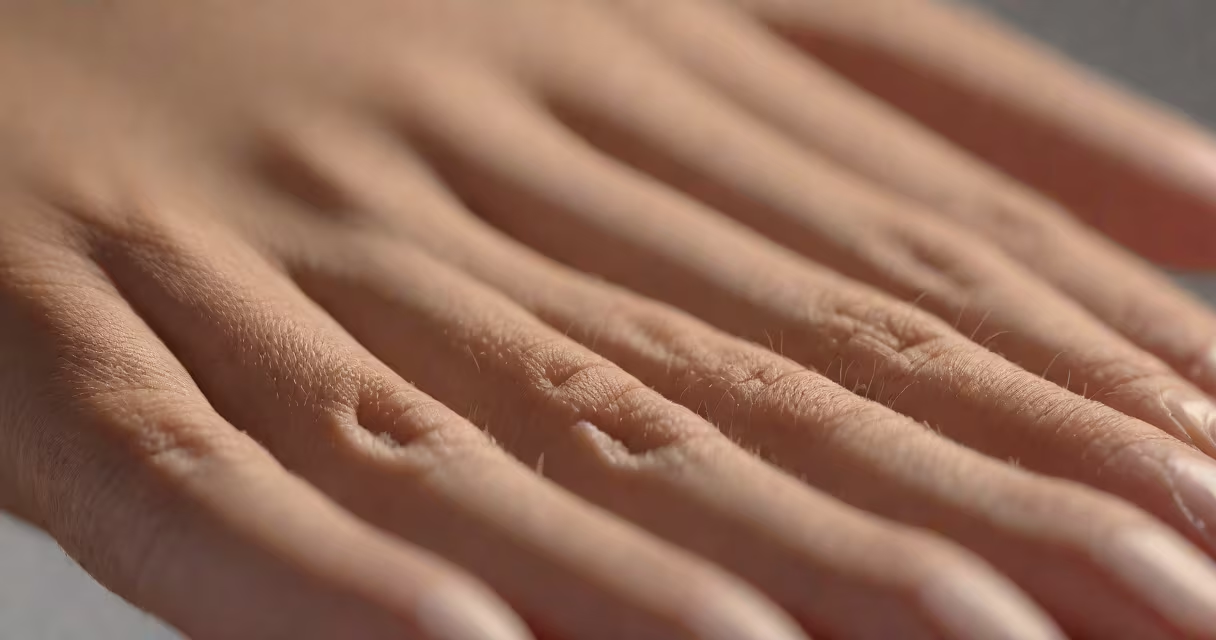
Hair is a defining feature of mammals. It appears in all species, even those with minimal body coverage like whales and elephants. Hair provides thermal insulation, sensory detection (via vibrissae or whiskers), and camouflage. The presence of keratin-based follicles is unique to mammals among vertebrates. Even aquatic mammals like dolphins have sparse hair during early development, confirming their classification.
Mammary glands produce milk to nourish young. This trait evolved in early synapsids and became central to mammalian reproductive strategy. Unlike egg-laying species, mammals invest heavily in postnatal care through lactation. A female mammal can regulate milk composition based on offspring needs-adjusting fat, protein, and antibody levels over time. This adaptability increases infant survival rates.
| Type | Reproduction Method | Examples | Key Adaptation |
|---|---|---|---|
| Placental | Live birth via placenta | Humans, dogs, whales | Long gestation; advanced fetal development |
| Marsupial | Short gestation; live birth into pouch | Kangaroos, opossums | Underdeveloped newborns continue growth externally |
| Monotreme | Egg-laying with lactation | Platypus, echidna | Retain ancestral reproductive mode while evolving milk production |
Three distinct groups represent mammalian diversity: placental, marsupial, and monotreme. Placentals dominate global biodiversity, making up ~95% of known species. They develop internally using a placenta to transfer nutrients and oxygen. Marsupials, primarily found in Australia and the Americas, give birth to highly altricial young that complete development in a pouch. Monotremes lay eggs but still produce milk through specialized skin pores-making them the only living egg-laying mammals.
The neocortex is a layered structure in the cerebral cortex responsible for higher functions such as spatial reasoning, conscious thought, and sensory perception. Its expansion correlates with increased behavioral complexity. Humans have the most developed neocortex, but even mice show measurable learning and memory capabilities due to this region. Fossil evidence shows the neocortex evolved gradually, with early mammals showing small expansions compared to reptilian ancestors.
Another overlooked distinction: mammals have a single dentary bone in the lower jaw. This evolved from multiple bones in earlier synapsids. The transition to a single jawbone improved bite precision and auditory sensitivity. The three middle ear bones-malleus, incus, and stapes-originated from jaw support structures in reptilian ancestors. Their repurposing for hearing represents a major evolutionary innovation.
A common misconception is that all mammals are warm-blooded. While nearly all mammals maintain internal body temperatures around 36-38°C, exceptions exist. The naked mole-rat, for example, regulates its temperature poorly and relies on burrow microclimates. It's ectothermic-like in behavior but still classified as a mammal due to hair, lactation, and jaw structure. This illustrates that taxonomy depends on multiple traits, not just one.
Consider the African elephant. It has thick skin with sparse hair, yet it qualifies as a mammal. Its trunk contains over 40,000 muscles, enabling fine motor control. Elephants nurse their calves for up to five years, producing milk rich in fat and antibodies. Their brains weigh up to 5 kg, with a large neocortex supporting complex social behaviors. These traits collectively define mammals-not just one feature.
During fieldwork in the Amazon, I observed a group of capuchin monkeys using stones to crack nuts. They selected specific rock shapes and applied consistent force patterns-indicating learned tool use. This behavior reflects the cognitive capacity enabled by the neocortex, a sign of mammals. Such observations confirm that features of mammals extend beyond anatomy into behavior and intelligence.
Some confuse monotremes with reptiles due to egg-laying. But they possess hair, produce milk, and have a single jawbone-all mammalian traits. The platypus also has venomous spurs, a rare feature among mammals. These traits show that evolution doesn't follow linear paths. Mammals diversified rapidly after the Cretaceous-Paleogene extinction, filling niches left by dinosaurs.
Understanding features of mammals reveals how biological innovation drives ecological success. Hair, lactation, and neural complexity form a cohesive set of adaptations that allow mammals to thrive across climates and habitats-from arctic foxes to deep-sea sperm whales.