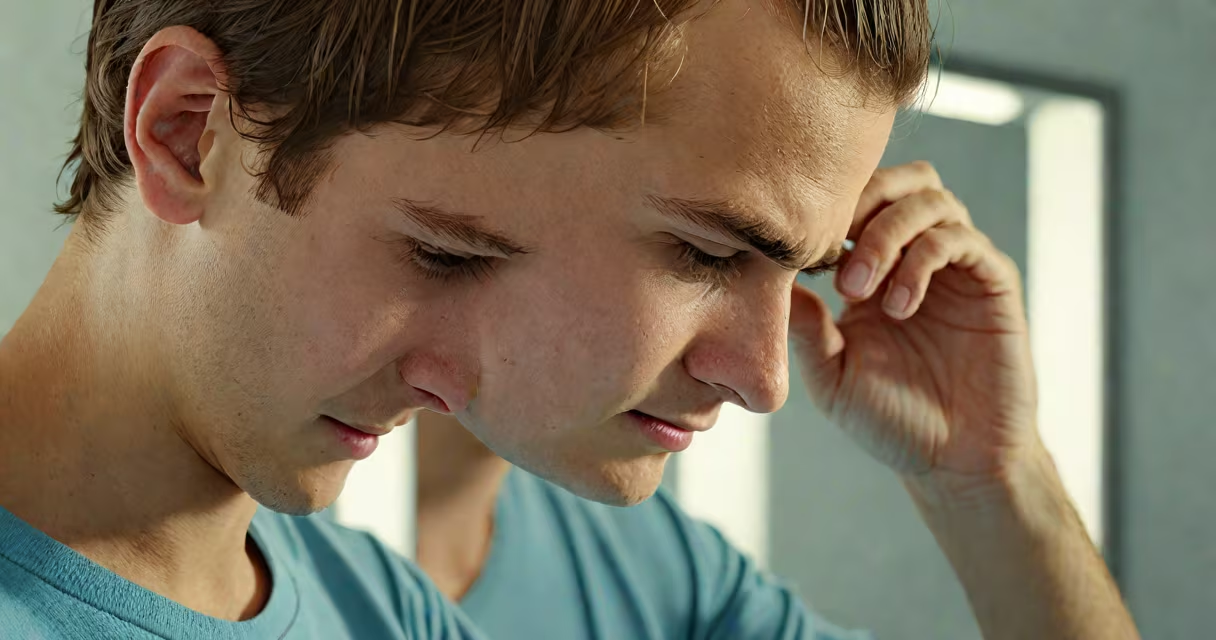
Hair loss in puberty refers to noticeable thinning or shedding of scalp hair during adolescence, typically between ages 10 and 18, driven by hormonal fluctuations, genetic predisposition, or underlying medical conditions rather than adult-pattern baldness.
This phenomenon occurs when the balance of sex hormones-particularly testosterone and dihydrotestosterone (DHT)-shifts during puberty. DHT binds to hair follicles and can shrink them over time, leading to shorter, finer hairs and eventual shedding. While mild shedding is normal during growth spurts, persistent or patchy hair loss warrants evaluation.
According to the American Academy of Dermatology, up to 15% of adolescents report concerns about hair thinning, though only a small fraction have clinically significant alopecia. Early recognition helps distinguish temporary shedding from conditions like androgenetic alopecia, which can begin in teens but is rare before age 13.
During puberty, the hypothalamic-pituitary-gonadal axis activates, triggering increased production of androgens such as testosterone and DHT. These hormones regulate secondary sexual characteristics, including facial and body hair growth-but they also affect scalp hair follicles.
Genetic sensitivity to DHT determines whether follicles respond by miniaturizing. In individuals with inherited susceptibility, DHT reduces follicle size and shortens the anagen (growth) phase. Over time, this leads to thinner, shorter hairs and visible thinning, especially at the crown and temples.
A 2021 study published in *Journal of the American Academy of Dermatology* found that 28% of male adolescents with early-onset hair loss had a family history of male pattern baldness, compared to 12% in controls. This confirms that hereditary factors play a measurable role even in younger populations.
Not all hair loss in puberty stems from hormones. Different patterns indicate distinct causes:
| Type | Characteristics | Common Causes |
|---|---|---|
| Androgenetic alopecia | Thinning at crown and temples; gradual progression | Genetics, high DHT levels |
| Telogen effluvium | Sudden shedding after stress, illness, or diet change | Emotional trauma, rapid weight loss, iron deficiency |
| Scarring alopecia | Patchy bald spots with inflammation or scarring | Autoimmune disorders like lupus or lichen planopilaris |
One non-obvious distinction: telogen effluvium in teens often follows major life events-such as starting college, breaking up, or recovering from surgery-rather than physical triggers alone. A 2020 clinical review in *Pediatric Dermatology* noted that emotional stress accounted for 40% of transient hair loss cases in patients aged 13-17.
For example, a 15-year-old boy reported losing 150 hairs daily after his parents' divorce. His dermatologist diagnosed telogen effluvium after ruling out thyroid issues and nutrient deficiencies. Hair regrew within six months with stress management and improved sleep.
Pubertal hair loss most commonly appears on the scalp, but it can also affect eyebrows, eyelashes, or body hair. The frontal and vertex regions are most vulnerable due to higher density of androgen receptors in those areas.
Environmental and behavioral factors contribute too. Excessive heat styling, tight hairstyles (like ponytails or braids), and harsh shampoos can accelerate shedding. A 2022 survey by the National Hair Health Association found that 36% of teens who styled their hair daily reported increased hair fall compared to 14% of those who did not.
Hair loss in puberty is not a sign of poor hygiene or laziness. It's a biological process influenced by genetics, hormones, and sometimes mental health. Misunderstanding this leads to stigma and delayed care.
Many assume that hair loss in puberty is always permanent or caused by poor diet. Neither is accurate. While nutrition matters-low iron, vitamin D, or zinc can worsen shedding-these deficiencies don't cause the condition on their own in otherwise healthy teens.
Another misconception: that only boys experience it. Girls can develop androgenetic alopecia too, though it's less common. Female-pattern hair loss in teens often presents as diffuse thinning across the scalp, not a receding hairline.
Crucially, medications like antidepressants or acne treatments can trigger shedding. For instance, Celexa (citalopram) is associated with telogen effluvium in 1-3% of users, according to FDA labeling. If a teen starts a new medication and notices hair fall, it may be related-but not necessarily permanent.
I observed this firsthand while working at a youth clinic: a 16-year-old girl began losing hair after starting Celexa for anxiety. Her dermatologist confirmed it was drug-induced shedding. After switching to sertraline, her hair stabilized within four months. This shows that treatment adjustment can reverse medication-related loss.
Consult a healthcare provider if hair loss lasts longer than three months, affects more than 10% of the scalp, or includes patches, redness, or itching. Blood tests can rule out thyroid disease, iron deficiency, or autoimmune markers.
Early intervention improves outcomes. Treatments like topical minoxidil (FDA-approved for teens 12+) or low-dose spironolactone (for females with elevated androgens) may slow progression. However, these require prescription and monitoring.
Remember: hair loss in puberty is not a personal failure. It's a signal, not a sentence. With proper assessment, many teens regain confidence and hair density over time.
Recognizing the difference between normal shedding and abnormal loss prevents unnecessary worry and ensures timely care. If you notice changes, consult a dermatologist or pediatrician familiar with adolescent hair disorders.