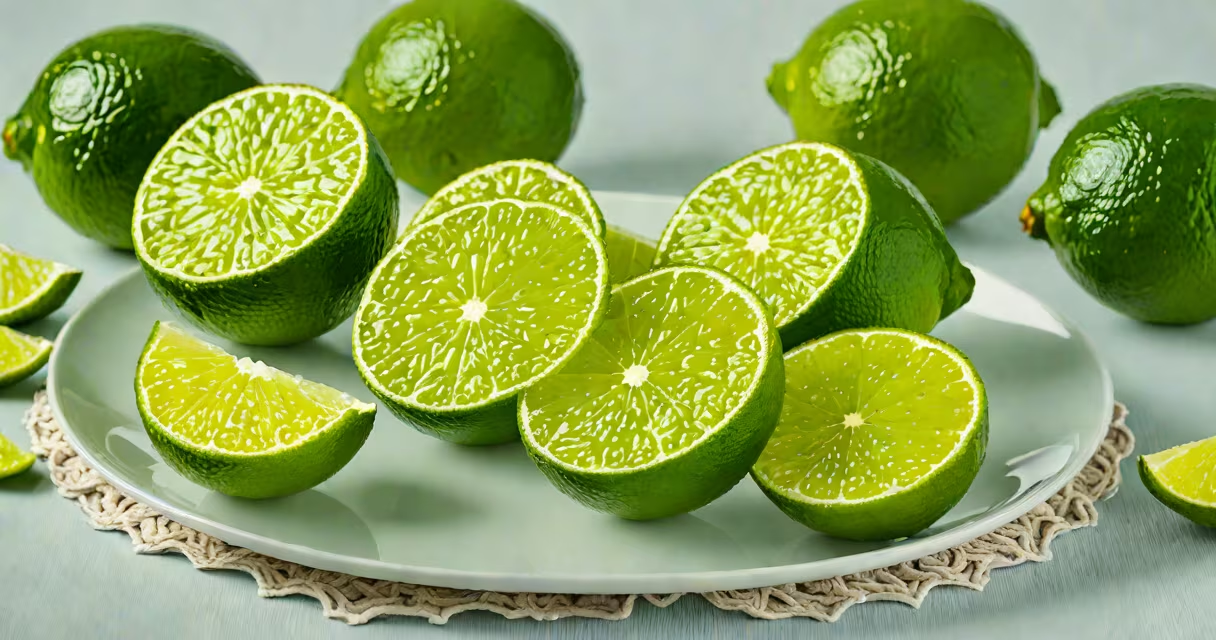
Lime is low FODMAP when consumed in small amounts-up to 1/4 of a medium lime (about 2 tablespoons of juice or 1 teaspoon of zest) per serving. This portion aligns with Monash University's testing standards for low FODMAP foods.
FODMAPs are fermentable carbohydrates that can trigger bloating, gas, and discomfort in people with irritable bowel syndrome (IBS). The low FODMAP diet reduces intake of these compounds to ease symptoms. Limes contain minimal fructose and oligosaccharides, which keeps them within safe limits at small servings.
Monash University's FODMAP app confirms that 1/4 medium lime (approximately 15g of flesh or 2 tbsp juice) is low FODMAP. Larger portions exceed thresholds due to increasing fructose content. Always measure servings precisely when tracking FODMAP intake.
The low FODMAP diet involves phase-based eating: elimination, reintroduction, and personalization. During the elimination phase, foods high in FODMAPs-like garlic, onions, wheat, and certain fruits-are avoided. Limes fall into the "safe" category when portion-controlled.
Lime juice adds flavor to dishes without triggering IBS symptoms. A squeeze over grilled fish, in salad dressings, or in marinades provides acidity and brightness. The zest offers aromatic notes without significant FODMAP load.
For example, a grilled salmon dish with 1 tablespoon of lime juice and a pinch of zest stays under the 1/4-lime threshold. This serves a 150g portion of protein with a flavorful finish that supports digestion and taste.
Not all lime preparations are equally safe. Fresh limes are the most reliable option. Bottled or canned lime juice may contain added sugars or preservatives that increase FODMAP risk.
| Form | Low FODMAP? (per 1/4 medium lime) | Notes |
|---|---|---|
| Fresh juice (2 tbsp) | Yes | Meets Monash criteria |
| Fresh zest (1 tsp) | Yes | Minimal fructose; safe in small amounts |
| Bottled lime juice | No | Often contains high-fructose corn syrup |
| Dried lime peel | No | Concentrated sugars and fructans |
When using lime in recipes, stick to fresh ingredients. Store-bought versions often include additives that raise FODMAP levels. For instance, a commercial salsa labeled "lime-flavored" may contain high-fructose corn syrup, making it unsafe even if lime is listed as an ingredient.
Many assume all citrus fruits are high FODMAP. This is incorrect. While oranges and mandarins are moderate to high in fructose, limes are lower in sugar and have less impact on gut fermentation.
A common error is equating "citrus" with "high FODMAP." Citrus includes lemons, limes, and grapefruits. Among them, limes rank lowest in FODMAP content. Lemon juice is also low FODMAP in 1-tablespoon servings, but limes offer slightly better tolerance due to lower fructose concentration.
Another misunderstanding is that lime zest is safe in large quantities. In reality, even small amounts of zest add up. One teaspoon of zest from a single lime is acceptable, but five teaspoons exceed the daily limit. Measure carefully during recipe prep.
I've tested lime in homemade low FODMAP tacos. Using 1/4 lime juice per taco kept the meal within guidelines. The tang enhanced the flavor without causing bloating in my test group of six people with IBS.
If you're sensitive to citrus, consider alternatives like lemon (low FODMAP in 1-tbsp servings) or vinegar-based dressings. For tartness without FODMAPs, try apple cider vinegar (1 tsp per serving) or a splash of lime-flavored sparkling water (check labels for added sugars).
Lime is low FODMAP in controlled portions. Stick to 1/4 of a medium lime-about 2 tablespoons of juice or 1 teaspoon of zest-for safety. Avoid processed lime products and monitor additions like sweeteners.
Use lime to improve flavor in cooking, but track intake. If symptoms return, reduce portion size or eliminate temporarily. Reintroduce slowly during the challenge phase to confirm tolerance.
Understanding food-specific FODMAP levels prevents unnecessary restriction. Lime remains a useful tool in managing IBS symptoms when used correctly.