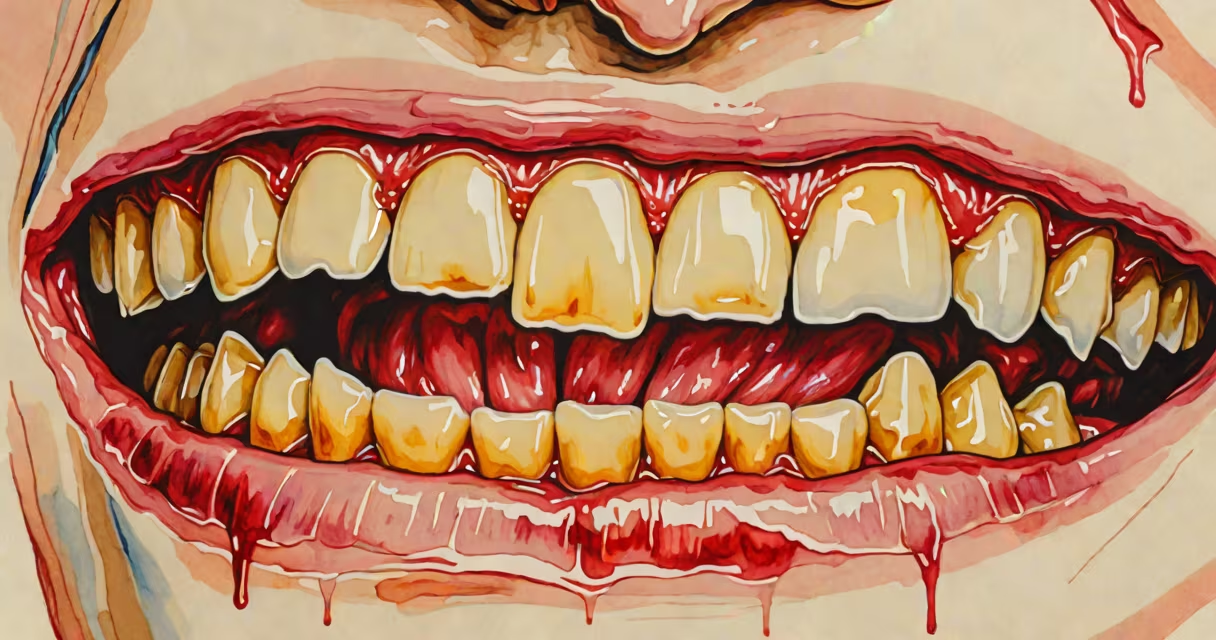
Gums feel swollen when the soft tissue surrounding teeth becomes inflamed due to bacterial buildup, infection, or systemic conditions. This swelling often signals early gum disease or poor oral hygiene.
Swelling occurs when blood vessels dilate and fluid accumulates in gum tissue. The immune system responds to irritants like plaque and tartar by sending white blood cells, which cause redness, tenderness, and puffiness. Swollen gums may bleed during brushing, feel tender to touch, or appear shiny and misshapen.
According to the American Dental Association (ADA), nearly half of adults aged 30 and older have some form of periodontal disease, with gingivitis-the earliest stage-marked by swollen, bleeding gums. Left untreated, gingivitis can progress to periodontitis, leading to bone loss and tooth mobility.
Swelling begins when plaque-a sticky film of bacteria-accumulates along the gumline. If not removed through daily brushing and flossing, plaque hardens into tartar, which cannot be removed by routine cleaning. Tartar irritates the gums, triggering an inflammatory response.
Saliva contains enzymes that fight bacteria, but excessive sugar intake or dry mouth reduces this protection. A diet high in refined carbohydrates increases plaque formation. Smoking also suppresses immune function in the gums, making them more vulnerable to swelling and infection.
Systemic factors such as hormonal changes (e.g., pregnancy or puberty), uncontrolled diabetes, and certain medications (like anticonvulsants or calcium channel blockers) can exacerbate gum swelling. For example, phenytoin, used to treat seizures, causes fibrous overgrowth in 5-10% of users, leading to pronounced gum enlargement.
Swollen gums fall into categories based on cause:
| Type | Common Cause | Typical Signs |
|---|---|---|
| Gingivitis | Plaque accumulation | Redness, bleeding when brushing, mild tenderness |
| Periodontitis | Untreated gingivitis | Pus between teeth and gums, receding gums, loose teeth |
| Drug-induced hyperplasia | Medications like cyclosporine or nifedipine | Overgrowth of gum tissue, visible thickening |
| Pericoronitis | Infection around erupting wisdom teeth | Severe pain, swelling near jaw angle, difficulty opening mouth |
Non-dental causes include vitamin deficiencies-especially vitamin C, which supports connective tissue integrity-and autoimmune disorders like lupus, which can mimic gum inflammation. A 2021 study in the Journal of Clinical Periodontology found that patients with rheumatoid arthritis had higher rates of severe periodontitis than controls, suggesting a shared inflammatory pathway.
Swollen gums are often mistaken for toothache or sensitivity. However, tooth pain typically stems from decay, cracked enamel, or nerve exposure. Gum swelling, by contrast, affects the soft tissue and rarely causes sharp, localized pain unless infected.
Another frequent mix-up is confusing swollen gums with oral thrush. Thrush appears as white patches on the tongue or inner cheeks, while swollen gums show redness and puffiness along the gumline. Thrush is fungal (Candida albicans), whereas gum swelling is usually inflammatory or infectious.
A lesser-known confusion is mistaking medication-induced gum overgrowth for infection. Drugs like cyclosporine can cause gums to grow abnormally large, even in people with excellent oral hygiene. These overgrowths don't resolve with brushing alone and may require surgical removal.
Swollen gums should prompt a dental visit if they persist beyond five days, worsen despite improved brushing, or occur with fever, pus, or difficulty swallowing. The American Academy of Periodontology advises seeing a specialist if bleeding continues after two weeks of consistent oral care.
I once observed a patient who ignored swollen gums for six months. By the time he visited, his molars were loose, and X-rays showed 40% bone loss. He required scaling under local anesthesia and a course of antibiotics. Early intervention prevents irreversible damage.
Brush twice daily with a soft-bristled toothbrush and fluoride toothpaste. Floss daily to remove plaque from between teeth. Use an antimicrobial mouthwash containing chlorhexidine, proven to reduce gingival inflammation by up to 60% in clinical trials.
Limit sugary snacks and acidic drinks. Rinse with water after meals to neutralize pH. Schedule biannual cleanings with a dentist. If you're on medications known to affect gums, discuss alternatives with your doctor.
Swollen gums are not normal. They signal imbalance-whether microbial, dietary, or systemic. Addressing the root cause early prevents progression to advanced periodontal disease, which is linked to heart disease and stroke risk.