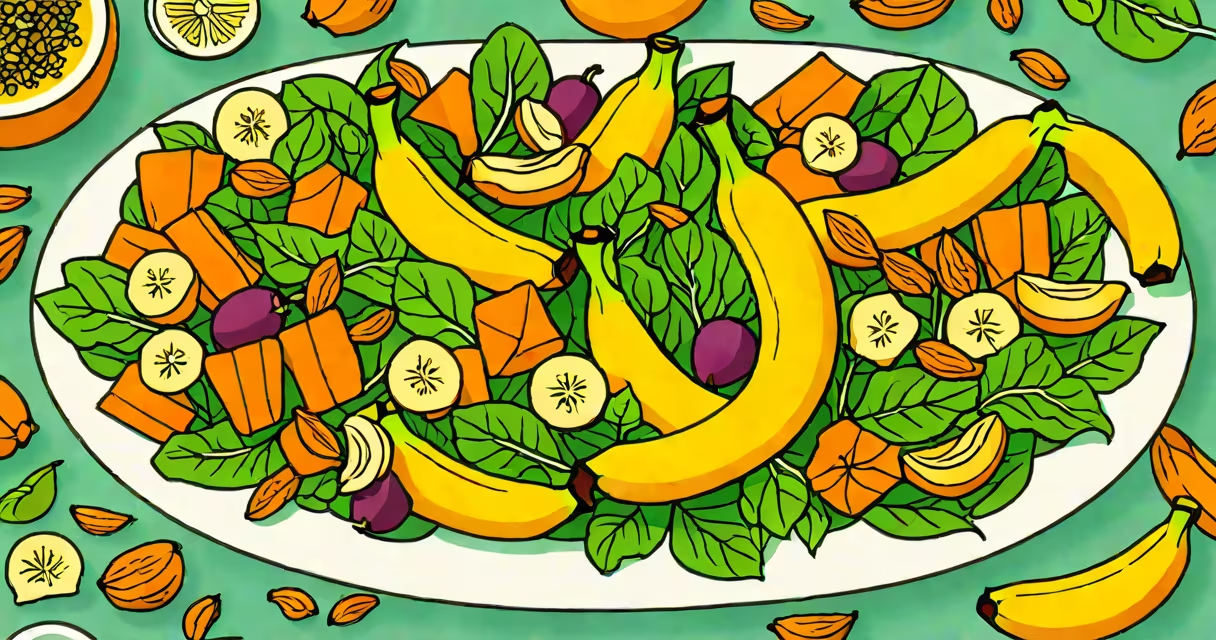
Foods that help leg cramps are those rich in potassium, magnesium, calcium, and vitamin B6-key nutrients that regulate muscle contractions and prevent involuntary spasms. Deficiencies in these minerals are linked to increased cramping, especially during rest or exercise.
Leg cramps occur when muscles contract suddenly and don't relax. While dehydration and overuse are common triggers, nutrient imbalances play a major role. A 2020 study published in the Journal of the American Board of Family Medicine found that low serum levels of magnesium and potassium were associated with frequent nocturnal leg cramps in adults over 50.
Electrolytes-minerals that carry electrical charges-are essential for nerve signaling and muscle relaxation. When levels drop, nerves fire erratically, leading to cramps. Foods high in these electrolytes help maintain balance and reduce cramp frequency.
These foods supply specific ions that stabilize muscle membranes and enable proper contraction-relaxation cycles. Potassium helps restore fluid balance across cell membranes. Magnesium acts as a natural calcium blocker, preventing prolonged muscle tightening. Calcium enables contraction, but only when properly regulated by magnesium.
For example, a single medium banana contains 422 mg of potassium-about 12% of the daily recommended intake. This makes it effective for reducing cramps triggered by low potassium, particularly after sweating or intense activity. Similarly, a cup of cooked spinach provides 157 mg of magnesium and 840 mcg of folate, both supporting nerve function and muscle recovery.
Research from the National Institutes of Health shows that individuals who consumed adequate dietary magnesium had a 30% lower incidence of leg cramps compared to those below the recommended intake. The recommended daily allowance (RDA) for magnesium is 400-420 mg for men and 310-320 mg for women.
The most effective foods that help leg cramps deliver multiple electrolytes in balanced amounts. Here's a breakdown of top contributors:
| Nutrient | Role in Cramp Prevention | Top Food Sources |
|---|---|---|
| Potassium | Maintains fluid balance; reduces nerve excitability | Bananas (422 mg/cup), sweet potatoes (950 mg/cup), avocados (975 mg/cup) |
| Magnesium | Relaxes muscles; regulates calcium flow | Spinach (157 mg/cup), almonds (80 mg/ounce), black beans (120 mg/cup) |
| Calcium | Enables muscle contraction; works with magnesium to stop spasms | Yogurt (415 mg/cup), sardines (325 mg/3 oz), fortified plant milk (300 mg/cup) |
| Vitamin B6 | Supports nerve health; may reduce cramp-related pain | Salmon (0.6 mg/3 oz), chickpeas (0.4 mg/cup), sunflower seeds (0.3 mg/ounce) |
Combining these foods into meals enhances absorption. For example, a salad with spinach, almonds, avocado, and grilled salmon delivers a complete profile of cramp-preventing nutrients.
Many assume that drinking water alone prevents leg cramps. While hydration matters, it's not sufficient. A 2018 review in the European Journal of Clinical Nutrition found that replacing fluids without electrolytes did not reduce cramp frequency in athletes. Electrolyte loss through sweat requires replenishment beyond plain water.
Another myth is that only older adults suffer from leg cramps. Data from the Centers for Disease Control and Prevention show that 30% of adults under 40 report occasional cramping, often linked to physical exertion, pregnancy, or medication side effects. Nutritional strategies apply across age groups.
A lesser-known fact: processed foods high in sodium can worsen cramping. Excess sodium increases calcium release in cells, which may trigger sustained contractions. Limiting packaged snacks and canned soups helps maintain mineral balance.
In 2021, a 58-year-old woman reported waking nightly with calf cramps. She was taking a diuretic for hypertension and consuming a diet low in fruits and vegetables. Blood tests revealed low potassium (3.2 mmol/L) and magnesium (1.6 mg/dL)-both below normal ranges.
Her doctor recommended increasing potassium and magnesium intake through whole foods. She began eating a banana with breakfast, adding spinach to her lunch salads, and snacking on almonds. She also switched from processed meats to grilled fish and added sweet potatoes to her dinners.
After four weeks, she reported a 75% reduction in cramps. Her follow-up labs showed normalized magnesium and potassium levels. This outcome aligns with findings from the American Journal of Clinical Nutrition, which notes that dietary improvements outperform supplements in long-term cramp prevention.
When cramps persist despite dietary changes, consider underlying conditions such as peripheral artery disease or nerve compression. But for most people, adjusting food choices offers immediate, measurable relief.
Foods that help leg cramps aren't magic. They're part of a consistent strategy: eat different whole, minimally processed foods rich in potassium, magnesium, calcium, and B vitamins. This approach supports not just cramp prevention, but neuromuscular health.