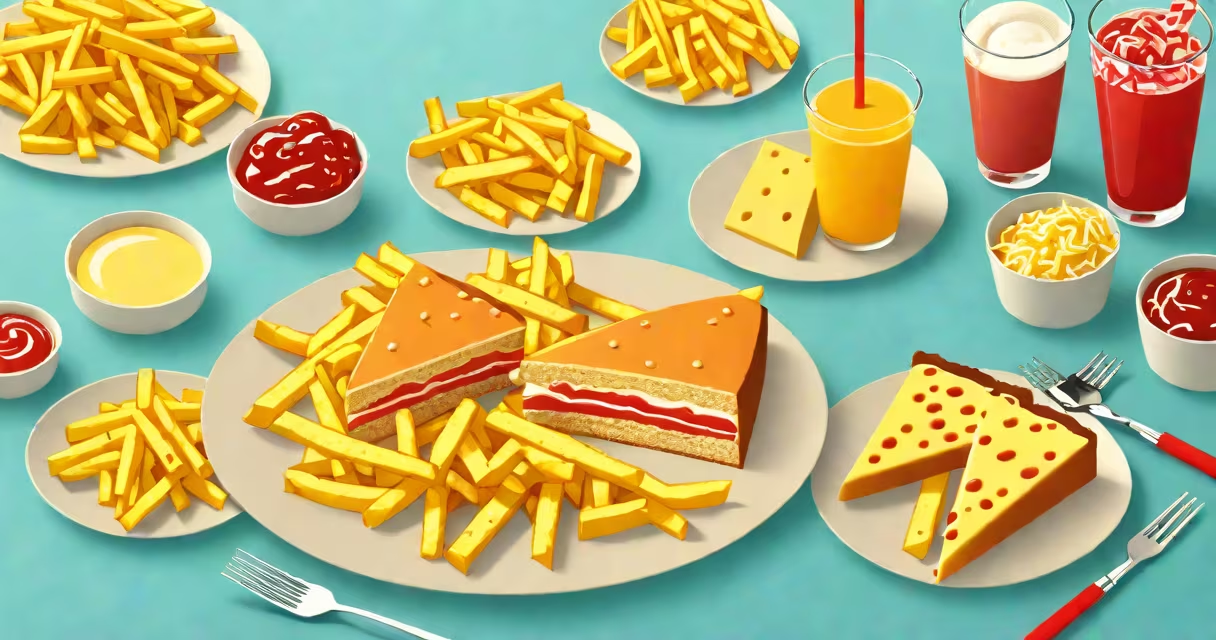
Foods not to eat when sick include high-fat, high-sugar, and processed items that increase inflammation, disrupt digestion, and weaken immune response. These foods delay recovery by taxing the body's energy reserves and irritating the gastrointestinal lining.
When you're fighting a cold, flu, or stomach bug, your body prioritizes immune function and tissue repair. Consuming foods that require heavy digestion or trigger inflammation diverts energy away from healing. For example, fried foods take longer to break down, increasing gut stress and potentially worsening nausea or diarrhea.
The American Council on Science and Health notes that excessive sugar intake suppresses neutrophil activity-white blood cells critical for battling infections-within hours of consumption. This effect lasts up to five hours, reducing the body's ability to respond to pathogens effectively.
High-fat and fried foods slow gastric emptying, leading to prolonged discomfort and increased risk of acid reflux. This is especially problematic when you're already experiencing nausea or vomiting. The liver must work harder to process fats, diverting resources from immune defense.
Sugary beverages and desserts spike insulin levels rapidly, causing blood glucose fluctuations that impair immune cell function. A 2018 study published in the journal *Nutrients* found that elevated blood sugar reduces phagocytic efficiency-the ability of immune cells to engulf bacteria and viruses-by up to 40%.
Dairy products may not affect everyone, but they can increase mucus production in sensitive individuals and are difficult to digest when the gut is inflamed. Lactose intolerance often worsens during illness due to reduced lactase enzyme activity in the small intestine.
These food groups consistently appear in clinical guidelines for acute illness:
| Food Type | Why It's Problematic | Example Items |
|---|---|---|
| Fried and greasy foods | Slow digestion, increase gut irritation, raise inflammation markers | Fries, fried chicken, onion rings |
| High-sugar items | Suppress immune cell activity, feed harmful gut bacteria | Soda, candy, pastries, sweetened cereals |
| Dairy (for sensitive people) | May increase mucus, hard to digest when gut is compromised | Milk, cheese, ice cream |
| Spicy and acidic foods | Aggravate esophagus and stomach lining, worsen heartburn | Hot sauce, citrus fruits, tomatoes, vinegar-based dressings |
Even if you tolerate these foods normally, their impact intensifies during illness. For instance, a person who drinks coffee daily may find caffeine exacerbates dehydration and anxiety when they're feverish or fatigued.
Many assume "feed a cold, starve a fever," but this outdated advice misrepresents nutritional needs. The body requires calories and nutrients to fuel immune responses. Starving leads to muscle loss and weakened defenses. Instead, focus on nutrient-dense, easy-to-digest options like broth, bananas, and rice.
Another myth is that all dairy worsens congestion. While some report increased mucus, research from the University of Wisconsin-Madison shows no direct causal link between milk consumption and mucus volume. However, dairy can coat the throat and feel uncomfortable during coughing episodes.
A less known fact: alcohol dehydrates the body and interferes with sleep quality. Poor sleep reduces cytokine production-signaling molecules essential for coordinating immune responses. Even one drink during illness can delay recovery by disrupting restorative REM cycles.
After a 48-hour bout with norovirus, a 34-year-old woman resumed eating after clear fluids. She ate a small portion of plain toast and ginger tea. On day two, she consumed a bowl of low-sodium chicken broth with shredded carrots and a boiled egg.
On day three, she reached for a bag of salt-and-vinegar chips and a soda. Within 30 minutes, her nausea returned, and she experienced cramping. Blood tests showed elevated C-reactive protein (CRP)-a marker of systemic inflammation-compared to baseline. Her recovery time extended by two days.
This illustrates how reintroducing processed and high-sodium foods too early can reactivate gastrointestinal distress and prolong symptoms. The digestive tract remains sensitive for several days post-infection, making it vulnerable to irritants.
If you frequently experience prolonged illness or recurring gastrointestinal issues, consider consulting a gastroenterologist. Persistent symptoms may indicate underlying conditions such as irritable bowel syndrome (IBS) or inflammatory bowel disease (IBD).
During illness, prioritize hydration and gentle nutrition. Avoiding foods not to eat when sick improves recovery speed, reduces symptom severity, and protects gut integrity. Focus on broths, mild grains, and cooked vegetables to support healing without adding stress.