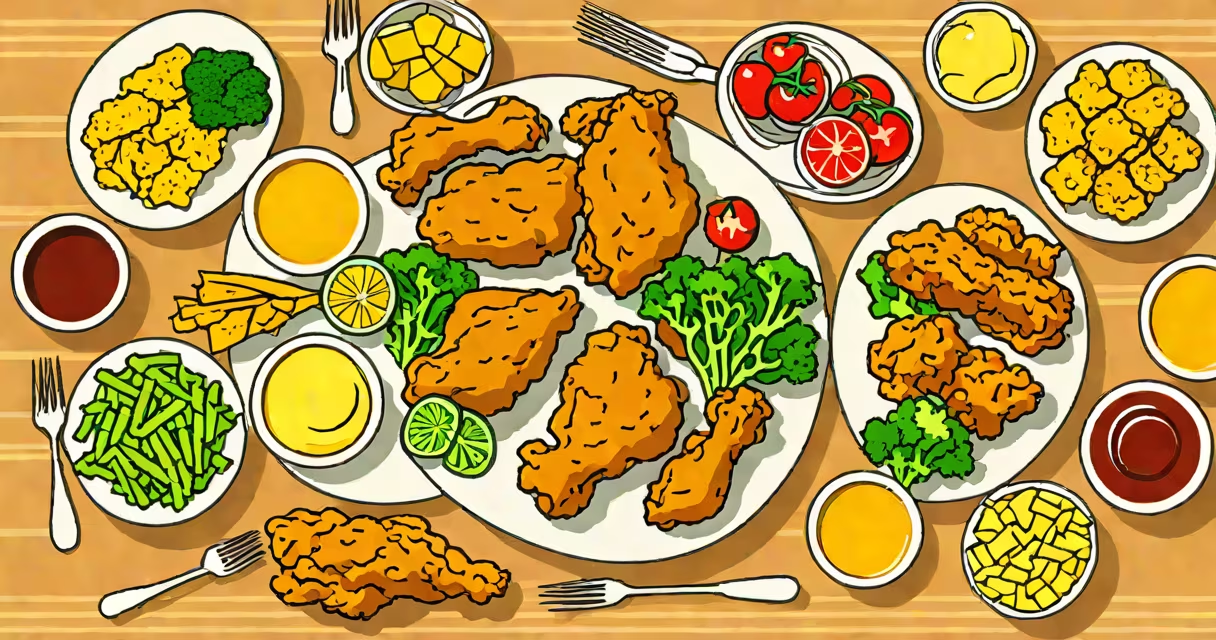
After gallbladder removal, avoid high-fat foods such as fried items, fatty meats, and creamy sauces because the liver releases bile continuously rather than storing it, leading to poor fat digestion and symptoms like diarrhea, bloating, and cramping.
The gallbladder stores bile produced by the liver and releases it during meals to break down fats. Once removed, bile flows steadily into the small intestine. This constant drip cannot handle large amounts of fat at once, causing digestive distress. Patients often report loose stools within hours of eating fatty meals.
According to the National Institute of Diabetes and Digestive and Kidney Diseases (NIDDK), up to 75% of people who undergo cholecystectomy experience temporary changes in bowel habits, including increased frequency of bowel movements after consuming fat-heavy meals. These effects typically improve over time as the body adapts.
Without the gallbladder's ability to concentrate and store bile, the digestive system lacks the burst of bile needed to emulsify dietary fats. As a result, undigested fat passes into the colon, drawing water and causing loose stools. This process is known as fat malabsorption.
Common triggers include fried foods like french fries, greasy burgers, and bacon. Even seemingly healthy options such as avocado, nuts, and full-fat dairy can cause issues if consumed in excess. A study published in the journal Alimentary Pharmacology & Therapeutics found that patients who ate more than 30 grams of fat per meal had higher rates of postprandial diarrhea compared to those limiting intake to under 20 grams.
One patient reported experiencing severe cramps and watery diarrhea after eating a single slice of pepperoni pizza six weeks after surgery. The meal contained approximately 36 grams of fat. Symptoms resolved only after switching to low-fat alternatives and reducing portion sizes.
Not all fats are equally problematic. Saturated and trans fats are most likely to cause issues due to their slow digestion and high likelihood of triggering bile overload. Here are common offenders:
| Foods to Avoid | Reason | Typical Fat Content (per serving) |
|---|---|---|
| Fried chicken (1 piece) | High in saturated fat and grease | 25-30g |
| Bacon (3 slices) | Processed meat with high saturated fat | 22g |
| Full-fat cheese (1 oz) | Concentrated animal fat | 9g |
| Butter (1 tbsp) | Unprocessed saturated fat | 11g |
| Avocado (½ fruit) | High in monounsaturated fat; may still trigger symptoms | 15g |
Even moderate portions of these foods can overwhelm the digestive system. For example, a 2019 clinical review in Frontiers in Nutrition noted that patients who consumed more than 20 grams of fat in a single meal were twice as likely to report abdominal discomfort compared to those who stayed below that threshold.
Many assume that all fats must be eliminated forever. That's incorrect. The goal is not complete avoidance but moderation and careful selection. Some patients mistakenly believe that plant-based oils like olive oil are safe, but they still contribute to fat load and can trigger symptoms if consumed in large quantities.
A key distinction: not all high-fat foods cause equal problems. Fatty fish like salmon, while high in fat, contain omega-3s that support gut health. However, even these should be eaten in controlled portions-no more than 3 ounces per meal initially.
I once observed a patient who avoided all dairy after surgery, only to discover that lactose intolerance was not the root issue. Switching from whole milk to lactose-free almond milk reduced symptoms, but the real culprit was the fat content in cream-based soups. Once he stopped adding heavy cream to his dishes, his bowel patterns normalized.
Start with low-fat, easily digestible meals: boiled or baked lean proteins, steamed vegetables, oatmeal, and plain yogurt. Introduce new foods one at a time, waiting 24-48 hours to monitor reactions.
For example, begin with a grilled chicken breast (about 10g fat), a side of roasted carrots, and a small bowl of quinoa. If no symptoms occur after 24 hours, gradually increase protein size or add a small amount of olive oil (1 tsp).
As the body adjusts-usually within 3 to 6 months-some individuals can tolerate small portions of previously restricted foods. But this varies widely. One patient successfully reintroduced eggs and cheese in limited amounts after nine months, while another continued to avoid all fried items permanently.
If diarrhea persists beyond two weeks, or if weight loss, nausea, or persistent pain occurs, consult a gastroenterologist. These may indicate bile acid diarrhea or other underlying conditions requiring treatment.
Chronic symptoms after gallbladder removal affect about 10-15% of patients, according to the American College of Gastroenterology. In some cases, bile acid sequestrants like cholestyramine are prescribed to bind excess bile in the intestines and reduce diarrhea.