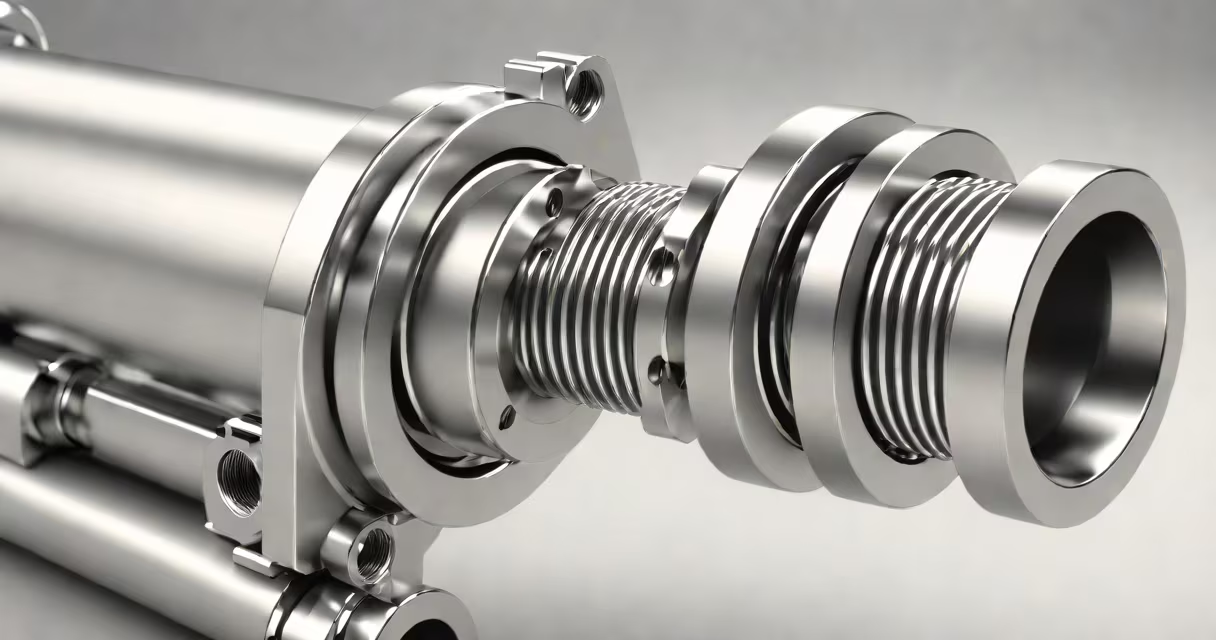
A pipe threader is a hand-operated tool that cuts precise external threads onto the end of metal pipes to create male threaded connections for joining with female-threaded fittings. It ensures a leak-free seal in plumbing, HVAC, and industrial piping systems.
These tools are essential for creating custom pipe joints when standard fittings don't match existing dimensions. They work by rotating a die around the pipe's end while applying steady pressure, shaving away material to form consistent thread profiles. The result is a clean, uniform thread suitable for high-pressure applications.
Modern pipe threaders come in manual and power-assisted models. Manual versions require physical effort but offer better control for small jobs. Power threaders, often electric or pneumatic, speed up production tasks but demand more setup and safety precautions. Both types produce ISO or NPT thread standards, depending on region and application.
The core mechanism involves a rotating die block that holds a hardened steel die. As the operator turns the handle, the die grips the pipe's end and cuts threads by advancing along its length. The die is adjustable to accommodate different pipe diameters, typically ranging from ¼ inch to 2 inches.
Each threader includes a set of interchangeable dies for various thread types-NPT (National Pipe Tapered), BSP (British Standard Pipe), or metric threads. Users select the correct die based on the required thread standard and pipe size. Proper alignment is critical; misalignment causes crooked or incomplete threads.
For example, when installing a ¾-inch NPT valve on a water supply line, the installer selects the ¾-inch NPT die, sets the stop collar to limit depth, and rotates the tool clockwise. After each full turn, the operator backs off slightly to clear chips and prevent die binding. This process repeats until the full thread length is cut.
There are three primary types of pipe threaders: manual, semi-automatic, and automatic. Manual threaders are portable, affordable, and ideal for fieldwork. Semi-automatic models include a ratchet mechanism to reduce hand fatigue. Fully automatic units are used in manufacturing settings where hundreds of threads are produced daily.
| Type | Best For | Typical Use Case | Cost Range |
|---|---|---|---|
| Manual | Home repairs, small jobs | Cutting threads on ½-inch copper pipe for a shower valve | $50-$120 |
| Semi-automatic | Plumbers doing multiple installations | Installing gas lines in residential homes | $150-$300 |
| Automatic | Industrial fabrication, large-scale projects | Producing threaded ends on 2-inch steel pipes for oil pipelines | $800+ |
Key components include the die holder, adjusting nut, handle, and thread stop. The die holder secures the die and allows rotation. The adjusting nut controls how tightly the die grips the pipe. The handle provides torque. The thread stop limits how far the die advances, preventing overcutting.
One non-obvious detail: most dies are not symmetrical. The cutting edge aims to engage only on the forward stroke. Reversing the tool during threading can damage the die or produce poor-quality threads. Always rotate clockwise during cutting and back off counterclockwise to clear debris.
Plumbers use pipe threaders to install custom fittings in residential and commercial buildings. Common applications include connecting water heaters, gas stoves, and irrigation systems. In industrial settings, they're used to prepare pipes for flanged or threaded connections in chemical processing plants.
According to the American Society of Mechanical Engineers (ASME) B1.20.1 standard, NPT threads must have a 60-degree included angle and a taper of 1/16 inch per inch. A properly threaded joint must seal under pressure without leakage. Improper threading leads to joint failure-common causes of water damage or gas leaks.
I once used a manual pipe threader to repair a leaking outdoor spigot. The original pipe was ¾-inch steel, and the replacement valve required a male NPT thread. After measuring the pipe end and selecting the correct die, I applied cutting oil and turned the tool slowly. After five full rotations, the thread was complete. The new valve screwed on cleanly and sealed perfectly-no leaks after pressure testing.
Many confuse pipe threaders with die stocks. While both hold dies, a die stock is a basic tool that only holds the die and requires hand turning. A pipe threader integrates a gear system and feed mechanism for consistent cutting. Using a die stock for long or thick pipes results in uneven threads and faster wear.
Another mistake is skipping lubrication. Cutting oil reduces friction, prevents galling, and clears metal shavings. Without it, the die can seize or chip. Some users try to force the tool through the pipe, which damages the die and creates burrs. Always apply steady, even pressure.
Finally, people assume all pipe threaders make NPT threads. That's false. Dies are specific to thread type. Using an NPT die on a metric pipe produces mismatched threads. Always verify the thread standard before selecting a die. Cross-referencing with ASME B1.20.1 or ISO 7-1 ensures compatibility.
Understanding what is a pipe threader means knowing it's not just a cutting tool-it's a precision instrument for creating reliable pipe connections. Its accuracy affects safety, performance, and longevity in any piping system.