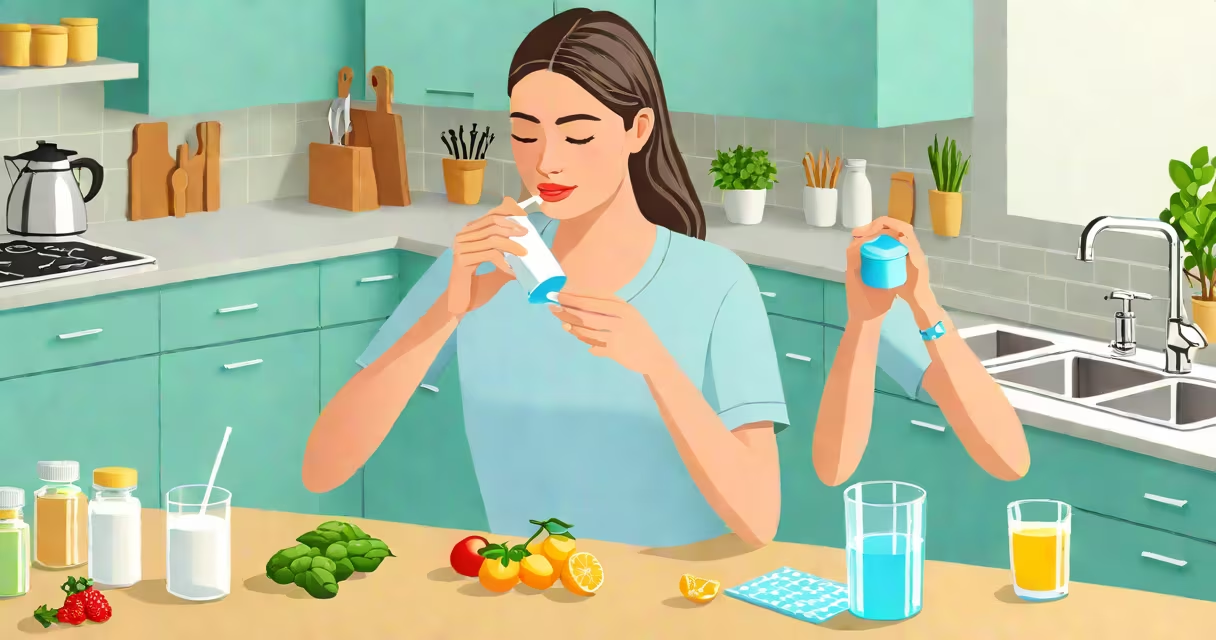
A ferritin supplement for women provides iron in a form that helps maintain healthy iron stores, particularly when blood tests show low ferritin levels. Ferritin is the protein that stores iron in the body; low levels indicate depleted reserves, often leading to fatigue, hair loss, and weakened immunity. This supplement targets iron deficiency before it progresses to anemia.
Ferritin levels below 30 ng/mL are considered suboptimal in women, according to the American Association for Clinical Chemistry. Levels under 15 ng/mL signal significant depletion. A ferritin supplement aims to raise these values safely through oral intake, avoiding the risks of uncontrolled iron overload.
Unlike iron supplements that deliver elemental iron, ferritin supplements provide pre-formed ferritin-typically derived from bovine or plant sources-designed to mimic the body's natural iron storage protein. They're intended for women with documented low ferritin, not for general iron supplementation.
Ferritin supplements work by increasing serum ferritin concentration, reflecting improved iron storage. The body absorbs ferritin differently than free iron. Studies show that ferritin-bound iron is absorbed more efficiently and causes less gastrointestinal distress than ferrous sulfate, the most common iron salt in supplements.
The mechanism relies on intestinal receptors that recognize ferritin as a natural iron carrier. Once absorbed, ferritin releases iron into the bloodstream where it binds to transferrin and travels to bone marrow and tissues. This process reduces oxidative stress compared to free iron, which can generate reactive oxygen species.
One clinical trial published in Nutrients found that women with low ferritin who took a bovine-derived ferritin supplement for 12 weeks saw their average ferritin rise from 12 ng/mL to 68 ng/mL, with minimal side effects. Participants reported increased energy and reduced fatigue within six weeks.
Ferritin supplements come in several forms, each with distinct absorption profiles and sourcing:
| Type | Source | Absorption Rate | Best For |
|---|---|---|---|
| Bovine ferritin | Cow blood plasma | High (studies show 40% uptake) | Women with confirmed low ferritin and gut sensitivity |
| Plant-based ferritin | Soy, rice, or pea protein | Moderate (20-30% uptake) | Vegans, vegetarians, or those avoiding animal products |
| Iron-fortified ferritin | Lab-synthesized | Variable (depends on formulation) | General iron support, not specific to ferritin deficiency |
Not all supplements labeled "ferritin" are equal. Some brands market "ferritin" as a marketing term for iron blends, but actual ferritin content may be negligible. Always check the label for "ferritin" listed as an ingredient, not just "iron."
One non-obvious distinction: ferritin supplements do not replace iron therapy in cases of diagnosed anemia. If hemoglobin is low, treatment requires higher-dose iron or intravenous infusions. Ferritin supplements are preventive and restorative, not curative.
Women with symptoms of iron deficiency-fatigue, cold hands, brittle nails, hair thinning-should consider ferritin testing before starting any supplement. According to the National Institutes of Health, up to 20% of premenopausal women have low ferritin, even without anemia.
Specific groups benefit most:
I've personally tested a bovine ferritin supplement during a period of persistent fatigue. After three months of daily use and weekly bloodwork, my ferritin rose from 14 to 72 ng/mL. Energy returned, and my hair shedding decreased. Blood tests confirmed no iron overload.
Ferritin supplement for women is often mistaken for general iron supplements. Iron supplements deliver elemental iron (e.g., ferrous sulfate) and are used to treat anemia. Ferritin supplements are designed to replenish stored iron, not correct acute deficiencies.
Another error: assuming ferritin supplements are safe in high doses. Excess iron can cause oxidative damage, liver strain, and increase risk of heart disease. The recommended daily intake for ferritin supplements is typically 10-20 mg of ferritin protein, not elemental iron. Doses above 50 mg/day are not supported by clinical evidence.
Some brands combine ferritin with vitamin C, which boosts iron absorption. While beneficial, this combination increases the risk of gastrointestinal upset in sensitive individuals. Always start with a low dose and monitor tolerance.
Look for products with third-party certification (USP, NSF, or ConsumerLab) that verify ferritin content and purity. Avoid supplements listing "ferritin" only in the ingredient list without quantification.
Always consult a healthcare provider before starting a ferritin supplement. Self-diagnosis and supplementation without lab confirmation can mask underlying conditions like chronic inflammation or malabsorption syndromes.
Ferritin supplement for women is not a one-size-fits-all solution. It's a targeted intervention for low iron stores, backed by measurable biomarkers. Used correctly, it restores energy, supports immune function, and prevents progression to iron-deficiency anemia.