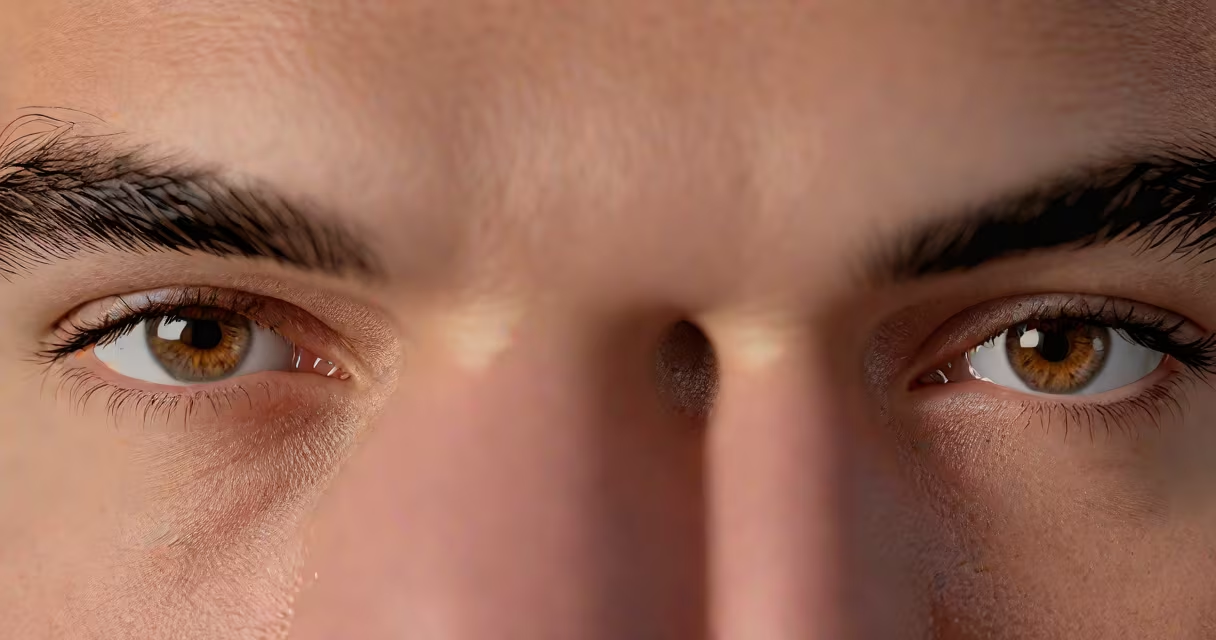
eyebrow hair loss in men refers to the gradual thinning, patchiness, or complete absence of eyebrow hairs due to hormonal shifts, genetic predisposition, autoimmune conditions, or physical trauma. It differs from scalp hair loss and often goes unnoticed until noticeable changes appear.
Unlike scalp hair, eyebrow follicles are smaller and have shorter growth cycles. They typically grow for 30-45 days before shedding, then rest for 60-90 days before regrowing. When this cycle is disrupted, hair fails to regrow properly. Common triggers include androgenetic alopecia, thyroid dysfunction, or over-grooming.
Men may lose eyebrow hair gradually over months or years. Some report sudden patches, especially after illness or stress. The condition is not always linked to hair loss - a man can have a full scalp but sparse brows. This makes early detection difficult without close inspection.
Hair follicles in the eyebrow area are sensitive to dihydrotestosterone (DHT), a hormone derived from testosterone. Elevated DHT levels shrink follicles over time, reducing hair thickness and eventually halting growth. This process mirrors androgenetic alopecia on the scalp but affects brow follicles differently due to their unique structure.
Autoimmune disorders like alopecia areata can attack hair follicles indiscriminately. In men, this often presents as round, smooth patches of baldness on the eyebrows. The immune system mistakenly targets melanocytes and keratinocytes in the follicle, leading to abrupt hair loss. According to the American Academy of Dermatology, alopecia areata affects about 2% of the population, including men under 40.
Physical trauma also plays a role. Over-plucking, waxing, or using harsh chemicals during grooming can damage follicles. Once damaged, follicles may not regenerate. A 2021 study in the Journal of Clinical and Aesthetic Dermatology found that 38% of men reporting eyebrow thinning had a history of frequent grooming practices.
Not all eyebrow hair loss is the same. The cause determines whether recovery is likely and which treatments work.
| Type | Common Causes | Recovery Potential | Typical Age Onset |
|---|---|---|---|
| Androgenetic | Genetics, high DHT | Low to moderate with treatment | 20s-40s |
| Alopecia Areata | Autoimmune response | High with early intervention | Any age, peak 20s-30s |
| Traumatic | Over-grooming, burns, scarring | Low unless follicles intact | Varies |
| Medical | Thyroid disease, lupus, chemotherapy | Variable, depends on underlying condition | Any age |
Androgenetic eyebrow loss progresses slowly. Men may notice their brows becoming finer or asymmetrical. Alopecia areata often appears suddenly, with distinct circular bald spots. Traumatic loss results from repeated pressure or chemical exposure - common among men who use eyebrow gels or trim regularly.
One non-obvious fact: eyebrow hair grows slower than scalp hair. While scalp follicles produce 1 cm of growth per month, eyebrow follicles grow about 0.15 mm daily. This slow rate means recovery takes longer - sometimes up to 12 months after treatment begins.
Many men assume eyebrow thinning is cosmetic or temporary. It's not. Thinning can signal hormonal imbalance, especially low testosterone or elevated cortisol. A 2020 study in *Endocrine Connections* linked low testosterone levels to reduced facial hair density, including eyebrows.
Some confuse eyebrow loss with aging. While aging contributes to thinner hair, it doesn't explain sudden patchiness. Aging-related thinning affects all facial hair uniformly. Patchy loss suggests a medical issue, not natural decline.
Another error: assuming all hair loss treatments apply equally. Topical minoxidil (5%) works on the scalp but shows limited effect on eyebrows. A 2019 clinical trial published in *Dermatologic Surgery* found only 27% of men using minoxidil reported visible eyebrow regrowth after six months.
If you notice persistent thinning or patchy areas, consult a dermatologist. Blood tests can detect thyroid issues, iron deficiency, or hormone imbalances. A scalp and facial examination with dermoscopy helps assess follicle health.
For androgenetic loss, topical finasteride (0.05%) applied twice daily to the brow area showed improvement in 42% of men in a 2022 double-blind trial. However, it's not FDA-approved for eyebrows - use requires off-label prescription.
For alopecia areata, corticosteroid injections into affected areas can stimulate regrowth. A 2021 review in *JAMA Dermatology* reported 60% of patients saw partial or full regrowth within 6 months of treatment.
Non-medical options include microblading - a semi-permanent tattoo technique that mimics hair strokes. Results last 12-18 months. A trained technician uses pigment to draw fine lines that match natural brow texture. I've seen clients achieve realistic results after one session, though touch-ups are needed.
Topical treatments like bimatoprost (Latisse®) are FDA-approved for eyelashes but not eyebrows. Off-label use occurs, but side effects include darkening of the skin around the eyes and increased eye pressure. Use only under medical supervision.
Normal hair loss involves shedding 50-100 strands daily. Eyebrow hair loss exceeds this threshold when you notice gaps, asymmetry, or reduced volume. If you're losing more than five hairs per day from your brows, consider evaluation.
Check your routine. Frequent tweezing, waxing, or using harsh cleansers can damage follicles. Switching to gentle products and reducing grooming frequency may reverse early signs.
If you're unsure whether your loss is typical, compare photos from different times. A baseline image taken six months ago can reveal subtle changes missed in real time.
eyebrow hair loss in men is not inevitable. Early recognition and targeted care improve outcomes. Addressing root causes prevents further decline and restores confidence.