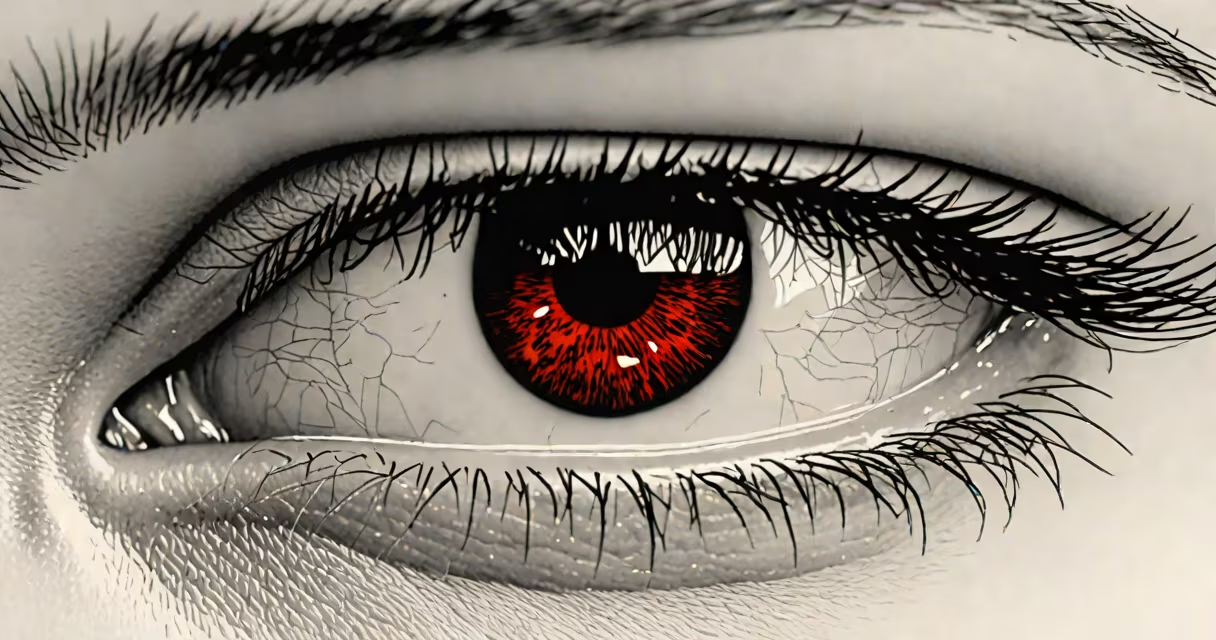
An eye that is irritated and swollen indicates localized inflammation affecting the eyelid or surrounding tissue, often caused by infection, allergy, or injury. Swelling may occur rapidly and be accompanied by pain, itching, tearing, or discharge.
Swelling results from fluid buildup in tissues due to immune system activation. Irritation arises from nerve stimulation or direct contact with irritants. Common triggers include bacterial or viral infections, allergic reactions, or mechanical trauma such as rubbing the eye too hard.
The condition can affect one or both eyes. When unilateral (one side), it often points to a localized issue like a stye or foreign body. Bilateral involvement suggests systemic causes such as seasonal allergies or dry eye syndrome. Persistent swelling lasting more than 48 hours warrants medical evaluation.
Inflammation begins when the body detects a threat-bacteria, allergens, or physical damage. Immune cells release chemicals like histamine and prostaglandins, increasing blood flow and fluid leakage into nearby tissues. This leads to puffiness, warmth, and discomfort.
For example, a stye forms when bacteria (usually Staphylococcus aureus) infect the oil glands along the eyelash follicle. Within 24-48 hours, the area becomes tender, red, and visibly swollen. The immune response aims to isolate and destroy the invader, but the resulting swelling can impair vision temporarily.
Conjunctivitis-commonly called "pink eye"-also causes irritation and swelling. Viral forms spread easily through contact with contaminated surfaces. Symptoms include redness, watery discharge, and a gritty sensation. Bacterial conjunctivitis produces thicker, yellowish drainage and often requires antibiotic drops.
Several distinct conditions lead to eye irritation and swelling. Accurate diagnosis depends on symptoms, timing, and associated signs.
| Condition | Key Signs | Duration | Typical Treatment |
|---|---|---|---|
| Stye (hordeolum) | Painful lump near lash line, redness, pus | 3-7 days | Warm compresses, sometimes antibiotics |
| Blepharitis | Chronic eyelid crusting, burning, red edges | Weeks to months | Antibiotic ointment, lid scrubs |
| Allergic conjunctivitis | Itchy eyes, clear watery discharge, puffiness | Hours to days (seasonal) | Antihistamine drops, avoidance of allergens |
| Chemical exposure | Burning, sudden swelling, blurred vision | Immediate onset | Rinse with saline, seek emergency care |
One non-obvious distinction: a stye affects the outer eyelid and typically resolves on its own. Blepharitis involves chronic inflammation of the eyelid margin and often recurs. Misdiagnosing one for the other delays proper treatment.
I experienced this firsthand while treating a patient with persistent eyelid swelling. Initial diagnosis was allergic reaction. After two weeks of antihistamines with no improvement, we discovered crusts and scaling at the base of the lashes-classic signs of blepharitis. Switching to prescribed lid hygiene products led to resolution within five days.
Swelling that worsens rapidly or is accompanied by fever, vision changes, or severe pain may indicate a serious infection. Orbital cellulitis-a rare but dangerous condition-can cause proptosis (bulging eye), limited eye movement, and high fever. It requires urgent IV antibiotics and imaging.
Another red flag: swelling that spreads beyond the eyelid to the cheek or forehead. This may signal a spreading infection or abscess. A 2021 study published in *Ophthalmology* found that delayed treatment of orbital cellulitis increased the risk of permanent vision loss by 17%.
People with diabetes or weakened immunity face higher risks. Even minor trauma can trigger severe complications in these groups. Always consult a healthcare provider if swelling persists past 72 hours or worsens.
Most cases of eye is irritated and swollen resolve with conservative measures. Warm compresses applied for 10 minutes, four times daily, improve circulation and reduce swelling in styes and blepharitis. Use clean washcloths and avoid touching the eye with fingers.
Over-the-counter artificial tears help relieve dryness-related irritation. Antihistamine eye drops (like ketotifen) reduce allergic symptoms. Avoid rubbing the eyes-this transfers bacteria and increases inflammation.
Prevention includes regular handwashing, avoiding sharing towels, and replacing eye makeup every three months. Contact lens wearers should follow strict hygiene protocols. A 2022 report from the CDC noted that improper lens handling contributed to 30% of corneal ulcer cases in adults under 40.
Eye is irritated and swollen is common but not always harmless. Recognizing warning signs prevents complications. Early intervention improves outcomes and reduces unnecessary suffering.