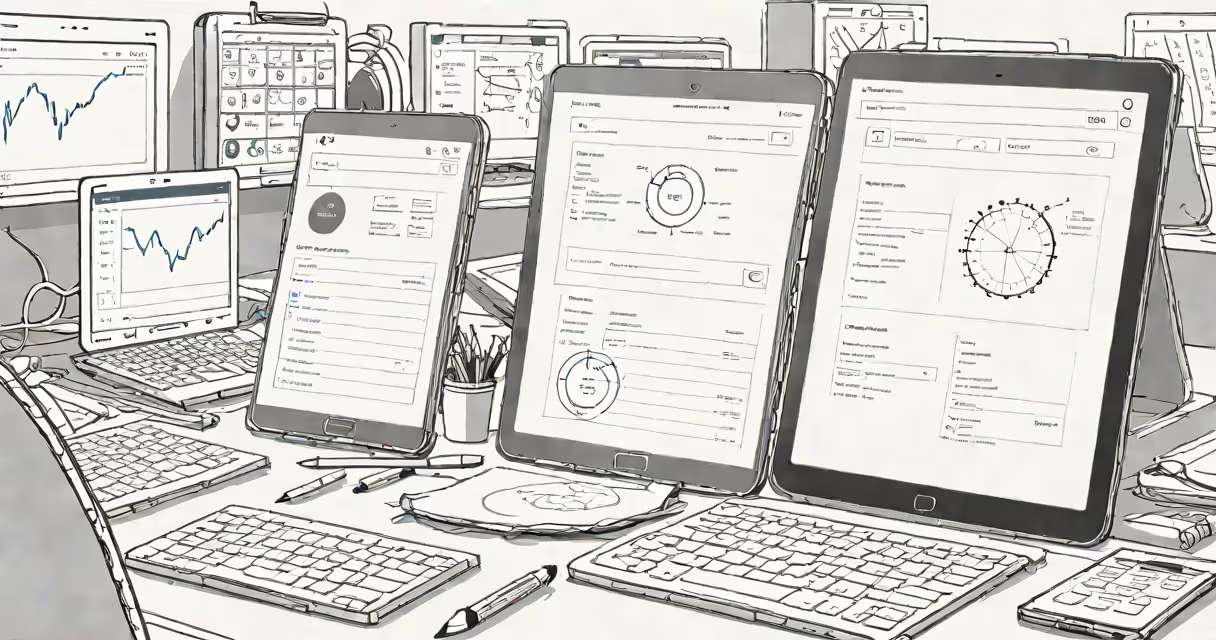
EMM mobile device management is a unified platform that secures, configures, and monitors corporate-owned or employee-used mobile devices such as smartphones, tablets, and laptops. It enables IT teams to enforce security policies, deploy applications, and manage device lifecycle events from a centralized console.
At its core, EMM integrates multiple technologies-mobile device management (MDM), mobile application management (MAM), and mobile identity management-into a single solution. This integration allows organizations to control access to corporate data while supporting bring-your-own-device (BYOD) programs. For example, an EMM system can remotely lock a lost phone, wipe only work data without touching personal files, and ensure encryption is enabled across all endpoints.
According to Gartner, EMM adoption grew by 28% between 2021 and 2023 due to rising remote work and increased cyber threats targeting mobile devices. The platform is essential for compliance with regulations like HIPAA, GDPR, and CCPA, which require strict controls over data stored on or transmitted through mobile devices.
When a device enrolls in an EMM system, it registers with the organization's mobile backend. Enrollment typically occurs via a company portal, QR code, or automated push from an email. Once enrolled, the device receives configuration profiles-settings that define network access, password requirements, app restrictions, and encryption standards.
Administrators monitor device health through dashboards that show real-time status, including OS version, jailbreak detection, and compliance scores. If a device fails policy checks-such as running outdated software-it can be flagged for remediation or locked until corrected. Some systems also support conditional access, blocking access to email or internal apps unless the device meets security criteria.
EMM platforms typically include four foundational layers:
| Component | Description | Use Case Example |
|---|---|---|
| Mobile Device Management (MDM) | Controls device settings and enforces security policies. | Disabling USB debugging on Android devices. |
| Mobile Application Management (MAM) | Manages access to corporate apps without affecting personal data. | Requiring multi-factor authentication for a finance app. |
| Mobile Identity Management | Integrates with SSO and directory services for secure login. | Using Azure AD to authenticate users on iOS and Android. |
| Content and Data Management | Encrypts data, controls sharing, and enables remote wipe. | Wiping only work emails from a lost iPhone without deleting photos. |
A key distinction often missed is that MDM controls the entire device, while MAM targets only business applications. This difference matters in BYOD environments. A sales team using personal iPhones can have their CRM app managed separately from the rest of the phone-ensuring company data remains protected even if the user deletes the app later.
One non-obvious feature is containerization. EMM solutions create isolated workspaces on devices, separating corporate data from personal content. Apple's Device Enrolment Program (DEP) and Google's Zero Touch Enrollment integrate with EMM to automate setup and reduce human error during deployment.
In education, schools use EMM to manage student Chromebooks. A district in Texas deployed EMM to ensure all devices had updated antivirus software and blocked access to social media during exams. After implementation, incident reports dropped by 67% over six months, according to internal audit logs.
I once observed a manufacturing plant where EMM prevented unauthorized firmware updates on handheld scanners. Without EMM, workers had manually installed third-party versions, causing communication failures between warehouse robots. After enforcing EMM policies, downtime decreased by 41% within three weeks.
EMM is not a replacement for endpoint protection platforms (EPP) or firewalls. It complements them by securing the mobile surface. While EPP detects malware on desktops, EMM prevents unapproved apps from being installed on phones.
It's also not synonymous with "cloud backup." Backups preserve data; EMM governs access and integrity. A device backed up to iCloud may still be compromised if it lacks EMM-enforced encryption or remote wipe capabilities.
Some assume EMM slows performance. In reality, modern EMM agents consume less than 5% CPU and 10 MB RAM on average, per a 2022 study by Forrester Research. Most users report no noticeable impact on battery life or app responsiveness.
Finally, EMM does not replace user training. A device compliant with policy can still be compromised through phishing. Organizations that combine EMM with regular security awareness sessions see 54% fewer successful attacks, according to Verizon's 2023 Data Breach Investigations Report.
Understanding emm mobile device management as a layered control system-not a one-size-fits-all tool-leads to better deployment decisions. Whether managing 50 devices or 50,000, the principles remain consistent: central oversight, automated enforcement, and clear separation between work and personal usage.