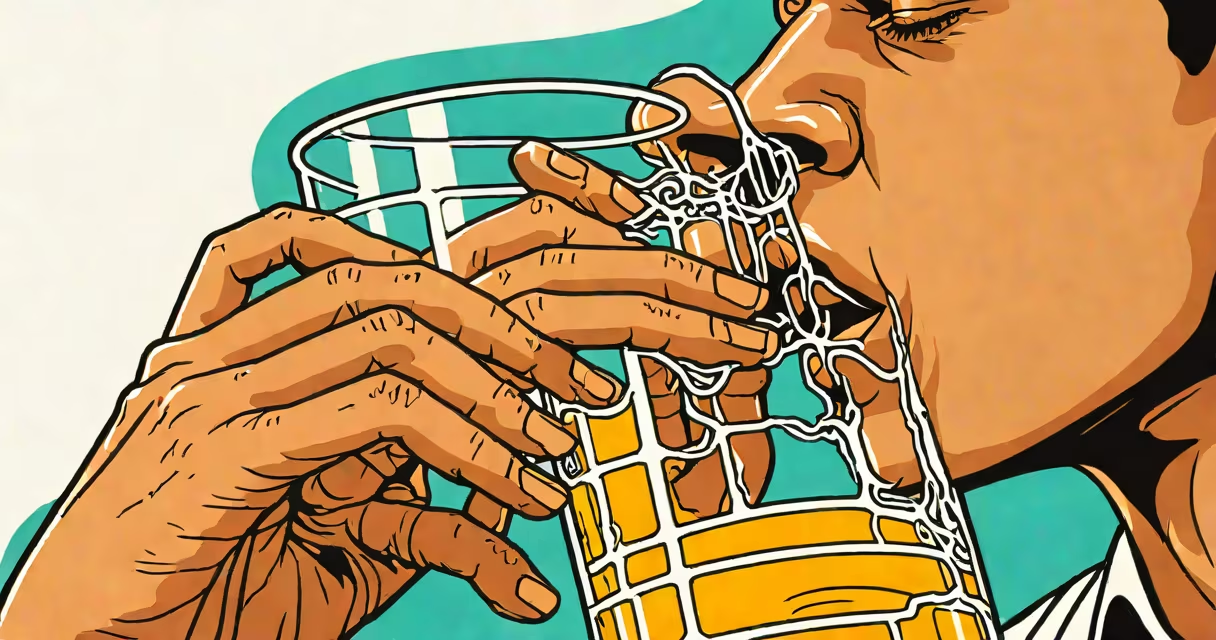
Drinking too fast means consuming liquids-especially alcohol or large volumes of water-quickly enough to overwhelm the body's ability to process them safely. This can cause physical distress, altered mental state, or long-term harm depending on the substance.
When someone drinks too fast, the body absorbs substances faster than metabolic systems can handle. Alcohol enters the bloodstream rapidly, leading to intoxication before the liver can break it down. Similarly, consuming water too quickly can trigger hyponatremia-a dangerous drop in blood sodium levels. The speed of intake matters more than total volume in many cases.
The American Council on Science and Health notes that rapid alcohol consumption increases the risk of acute alcohol poisoning by 3.7 times compared to slower intake, even at the same total dose. For water, the Mayo Clinic warns that drinking more than 1 liter per hour can exceed the kidneys' excretion capacity, increasing the risk of water intoxication.
Alcohol absorption begins in the stomach and continues in the small intestine. Drinking too fast bypasses the stomach's buffering effect. A full stomach slows absorption; an empty one allows alcohol to pass into the bloodstream rapidly. This leads to quicker peak blood alcohol concentration (BAC).
For example, consuming four standard drinks in under 60 minutes results in a BAC rise of 0.08% per 15 minutes on average. That's above the legal driving limit in most U.S. states. The body processes alcohol at roughly 0.015% BAC per hour. Rapid intake creates a surplus that the liver cannot metabolize, leading to systemic effects like dizziness, slowed reflexes, and vomiting.
Water intake follows different rules. The kidneys filter about 1 liter of fluid per hour under normal conditions. Drinking more than that in a short time overwhelms renal function. Excess water dilutes electrolytes, especially sodium. Low sodium causes cells to swell-including brain cells-leading to confusion, seizures, or coma. A 2018 study in *The New England Journal of Medicine* documented five deaths from hyponatremia linked to rapid water consumption during endurance events.
Not all liquids carry equal danger when consumed too fast. Alcohol and energy drinks pose high acute risks. Water, while generally safe, becomes hazardous in extreme cases. Carbonated beverages can cause bloating and discomfort due to gas buildup.
| Substance | Risk of Drinking Too Fast | Threshold for Concern |
|---|---|---|
| Alcohol (standard drink) | Intoxication, impaired coordination, nausea | More than 1 drink per 15 minutes |
| Water | Hyponatremia, seizures, brain swelling | Over 1 liter/hour for extended periods |
| Energy drinks | Heart palpitations, anxiety, jitteriness | More than 2 cans in 1 hour |
| Carbonated soda | Bloating, acid reflux, gas pain | Large gulps in under 5 minutes |
One non-obvious fact: carbonation itself doesn't cause harm, but it accelerates gastric distension. The stomach expands faster when swallowing air along with liquid. This triggers early satiety and can lead to discomfort even with small amounts.
Drinking too fast occurs most often in social settings-parties, sporting events, or celebrations-where peer pressure, excitement, or competition drives pace. It's common during drinking games like "shots" or "chug challenges."
A 2021 survey by the National Institute on Alcohol Abuse and Alcoholism found that 38% of college students reported chugging alcohol at least once in the past year. Among those, 22% experienced vomiting, dizziness, or memory lapses afterward. These outcomes stem not from total volume but from speed of ingestion.
Even hydration during exercise can go wrong. Marathon runners sometimes drink too fast during aid stations, believing they're replacing lost fluids. But rapid intake without proper pacing leads to gastrointestinal distress and, in rare cases, hyponatremia. The American College of Sports Medicine recommends sipping 150-250 mL every 15-20 minutes during prolonged activity.
People often mistake drinking too fast for simply drinking a lot. Quantity matters, but speed amplifies risk. Two people may consume the same amount of alcohol over two hours-one slowly, one rapidly-and the fast drinker will have higher peak BAC and greater impairment.
Another misconception is that only alcohol poses a threat. Water, though essential, can be deadly when drunk too quickly. In 2019, a woman died after drinking 3 liters of water in 30 minutes during a reality TV challenge. Her blood sodium dropped to 110 mEq/L-well below the normal range of 135-145.
Some assume that tolerance reduces risk. But tolerance affects how quickly someone feels effects, not how fast the substance enters the system. A heavy drinker may not feel drunk until later, but their BAC still rises rapidly. The body's processing rate remains unchanged.
In 2022, a viral video showed a man attempting to chug a 16-ounce bottle of beer in under 10 seconds. He succeeded but vomited within 90 seconds. Blood tests revealed his BAC peaked at 0.22%, nearly three times the legal limit for driving. He required medical observation for six hours.
This illustrates that speed-not just quantity-determines physiological impact. Even if he had stopped at 12 ounces, the rapid intake would have caused similar symptoms. The stomach's emptying time for liquids averages 15-20 minutes. Anything faster disrupts normal digestive timing.
To avoid drinking too fast, use pacing strategies. Sip liquids over 10-15 minute intervals. Alternate alcoholic drinks with water. Set a timer to limit intake to one drink per 30 minutes. This keeps BAC rise gradual and reduces strain on organs.
If you're hydrating during activity, aim for 150-250 mL every 15 minutes. Stop if you feel bloated or nauseous. For alcohol, eat food before drinking-it slows absorption. A full stomach delays gastric emptying by up to 40%.
I once hosted a gathering where guests were encouraged to drink water between cocktails. Over 80% reported feeling less sluggish and more alert by the end of the night. The difference wasn't in total fluid intake-it was in pacing.
Understanding the risks of drinking too fast helps prevent harm. staying hydrated, slow and steady wins the race. Avoiding rapid intake protects your body, mind, and long-term health.