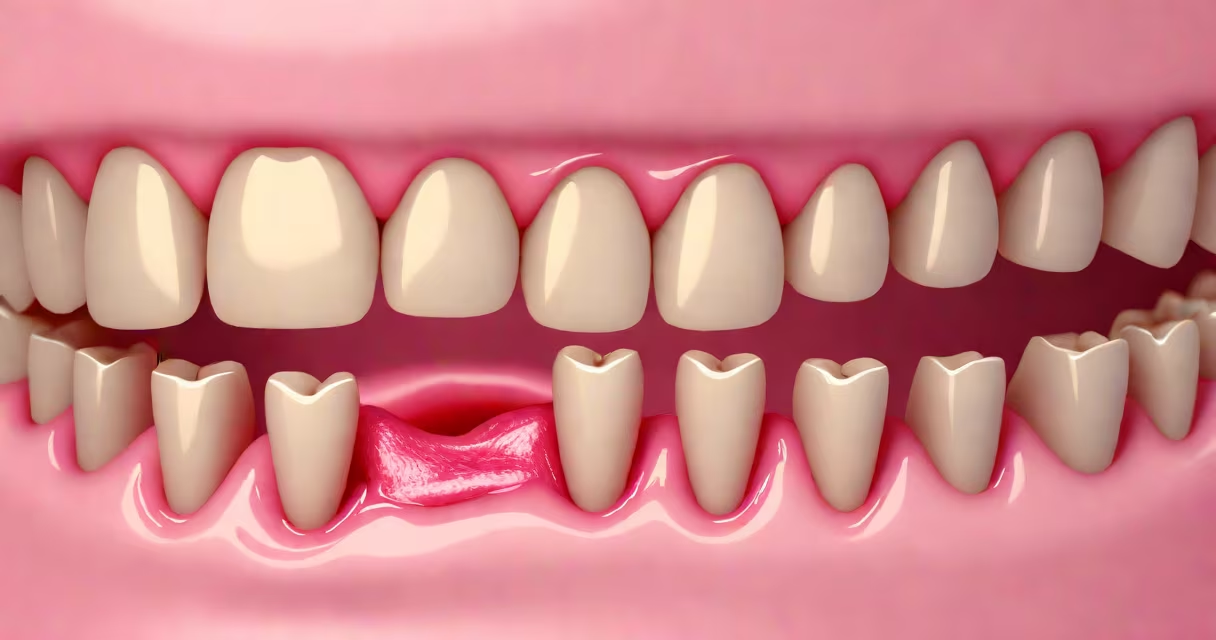
Gum recession does not always cause pain, but when it does, the discomfort often stems from exposed tooth roots or underlying gum disease. Pain may range from mild sensitivity to sharp, persistent aches, especially during eating or brushing.
Recession occurs when gum tissue pulls away from the teeth, exposing the root surface. This exposure makes nerves more vulnerable to temperature changes, pressure, and acidic foods. Not everyone experiences pain-some people notice recession only through visual changes or increased tooth sensitivity.
The American Dental Association notes that gum recession affects nearly half of adults over 30, yet many remain unaware until symptoms worsen. Early detection prevents further damage and reduces the risk of tooth loss.
Pain from gum recession arises when the cementum layer covering the root wears down or becomes exposed. Unlike enamel, which protects the crown, cementum is softer and allows stimuli to reach nerve endings in the dentin. Cold, hot, sweet, or acidic substances then trigger sharp sensations.
A 2021 study published in the Journal of Periodontology found that 68% of patients with moderate recession reported tooth sensitivity, compared to 12% in those with healthy gums. Sensitivity typically appears when chewing hard foods or drinking cold beverages.
Chronic pain may also stem from secondary conditions like periodontitis. Inflammation spreads below the gumline, damaging bone and connective tissue. This progression increases pain and accelerates tooth mobility.
Aggressive brushing with a hard-bristled toothbrush is the leading cause of mechanical gum recession. Brushing too hard or using a horizontal scrubbing motion damages gum tissue over time. The American Academy of Periodontology reports that 30% of recession cases result from improper brushing techniques.
Genetics play a role too. Some people inherit thin gum tissue or a shallow gum pocket structure, making them prone to recession even with gentle oral care. A 2019 twin study showed that genetic factors account for up to 50% of variation in gum thickness among individuals.
Other contributors include hormonal shifts (such as during pregnancy), tobacco use, bruxism (teeth grinding), and poorly fitting dental restorations. These factors weaken the gum's attachment to the tooth, allowing bacteria to accumulate and erode tissue.
Persistent pain, swelling, bleeding, or pus around the gums suggests infection or advanced periodontal disease. These signs require prompt treatment to prevent irreversible bone loss. Ignoring pain can lead to tooth loss within months.
Some people mistake early sensitivity for normal wear. But if discomfort lasts more than a few days after consuming cold or sweet items, it's not typical. A dentist can assess whether recession has progressed beyond the surface level.
I once observed a patient who brushed twice daily with a hard brush and claimed "my gums feel fine." After examination, he had 3mm of recession on multiple molars and severe sensitivity. He hadn't noticed the gradual retreat because pain hadn't yet developed. Once we switched to a soft brush and fluoride gel, his symptoms improved.
| Type | Characteristics | Pain Level | Common Cause |
|---|---|---|---|
| Localized | Recession on one or two teeth | Mild to moderate | Improper brushing, trauma |
| Generalized | Widespread recession across the mouth | Variable, often high | Periodontitis, genetics |
| Miller Class I | Recession reaches the cervical third, no interdental bone loss | Mild sensitivity | Early gingivitis |
| Miller Class II | Recession extends into the interdental space, but not to the mucogingival junction | Moderate to severe | Advanced periodontitis |
Class I and II recessions differ in extent and treatment complexity. Class II often requires surgical intervention due to deeper tissue involvement.
If you feel pain during brushing, eating, or drinking, don't ignore it. Early action reduces long-term complications. Start by switching to a soft-bristled toothbrush and using a desensitizing toothpaste like Sensodyne Repair & Protect. Use it twice daily for at least four weeks to see improvement.
See a dentist if pain persists. They may apply a fluoride varnish or recommend a gum graft procedure. A 2020 clinical trial showed that 87% of patients receiving surgical grafts reported reduced sensitivity after six months.
Many assume that if there's no pain, there's no problem. That's false. Gum recession can progress silently for years. By the time pain appears, significant damage may have occurred.
Another myth is that brushing harder cleans better. Aggressive brushing damages both enamel and gum tissue. The ADA recommends a 45-degree angle brush stroke and gentle pressure.
Finally, some believe that home remedies like oil pulling or baking soda rinses reverse recession. There's no evidence supporting this. While they may reduce plaque, they don't rebuild lost tissue.
Preventing gum recession starts with proper oral hygiene. Brush for two minutes twice daily using a soft brush. Floss daily to remove plaque between teeth. Visit a dentist every six months for cleanings and screenings.
Use a mouthwash with stannous fluoride to reduce inflammation. Avoid tobacco products and manage stress, which contributes to bruxism. If you grind your teeth at night, a custom night guard reduces strain on gums and teeth.
Regular checkups catch early signs. A dentist can measure pocket depth with a probe. Healthy pockets are 1-3 mm deep. Pockets deeper than 4 mm indicate gum disease and potential recession.
Understanding whether gum recession hurts depends on individual biology and stage of progression. Not all recession causes pain-but when it does, it's a signal to act. Addressing it early preserves function, comfort, and long-term oral health.