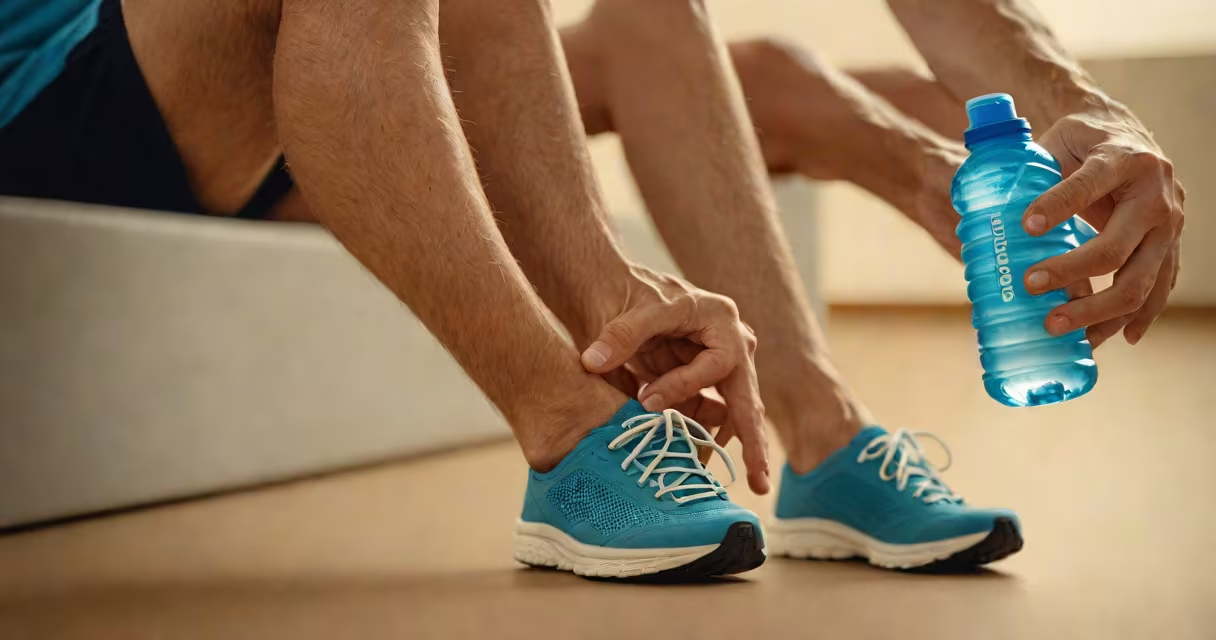
Yes, dehydration can cause leg cramps by disrupting electrolyte balance and reducing blood flow to muscles, leading to involuntary muscle contractions. This occurs when fluid loss impairs nerve signaling and muscle function, especially during physical activity or in hot environments.
Leg cramps from dehydration typically involve sudden, intense pain in the calf, foot, or thigh. They often happen at night or after prolonged exercise. The underlying mechanism involves sodium, potassium, calcium, and magnesium imbalances-key minerals dissolved in bodily fluids that regulate muscle contraction and relaxation. When hydration drops, these ions shift abnormally, triggering uncontrolled muscle firing.
A 2020 study published in the Journal of Athletic Training found that athletes who lost more than 2% of body weight through sweat were more likely to report muscle cramps than those who maintained fluid balance. This aligns with clinical observations that cramps peak during endurance events like marathons, where sweat rates exceed 1 liter per hour.
When the body loses fluids, blood volume decreases. Reduced circulation means less oxygen and nutrients reach working muscles. Nerves controlling muscle movement also rely on proper hydration to transmit signals accurately. Without adequate fluid, nerve endings misfire, sending erratic commands that result in sustained muscle contractions-cramps.
Electrolytes such as sodium and potassium are critical for muscle function. A 2018 review in Frontiers in Physiology confirmed that low serum sodium levels correlate strongly with increased cramp frequency, particularly in older adults and endurance athletes. Even mild dehydration-just 1-2% body weight loss-alters ion concentrations enough to disrupt neuromuscular control.
For example, a runner completing a 10K race in 90-degree heat may lose 1.5 liters of sweat. If they don't replace fluids and electrolytes, their sodium concentration drops. This triggers abnormal nerve impulses to the calf muscles, causing a sudden, painful spasm that forces them to stop running.
Not all leg cramps stem from dehydration, but the pattern is distinct. Cramps caused by fluid loss tend to:
Other types of cramps-like those due to nerve compression or medication side effects-don't follow this pattern. For instance, a cramp from a pinched sciatic nerve usually radiates from the lower back down the leg and persists beyond rest or hydration.
| Type | Trigger | Relief Method |
|---|---|---|
| Dehydration-related | Sweat loss, low fluid intake | Stretch, drink water/electrolytes |
| Nerve compression | Prolonged sitting, spinal stenosis | Change position, physical therapy |
| Medication-induced | Statins, diuretics | Adjust dose, consult doctor |
Many assume that drinking water alone prevents cramps. But replacing fluids without electrolytes can worsen the problem. Diluting sodium too quickly leads to hyponatremia-a dangerous condition where cells swell due to osmotic imbalance. This increases cramp risk, especially in long-duration events.
Another myth is that cramps always mean you're "out of salt." While sodium deficiency plays a role, research shows that magnesium and potassium deficiencies are equally significant. A 2021 study in European Journal of Applied Physiology found that participants who supplemented with magnesium had fewer cramps than those who only replaced sodium.
Cramps aren't always a sign of poor fitness. Even elite athletes experience them. A 2019 analysis of Olympic marathoners showed that 68% reported at least one cramp during training cycles-even with high hydration awareness. This confirms that cramping is a physiological response, not a personal failure.
In July 2022, a 42-year-old woman hiked the 8-mile trail in Colorado's Rocky Mountains without carrying water. She reached the summit at noon, then began descending. After 30 minutes, she felt a sharp, cramping pain in her right calf. She stopped, sat down, and stretched. The cramp lasted 45 seconds and resolved after she drank 500 mL of water with added electrolytes.
She later recalled skipping breakfast and wearing shoes that didn't fit well. These factors contributed to fatigue and altered gait, increasing muscle strain. But the core trigger was dehydration-her urine was dark yellow, a sign of moderate fluid deficit. Rehydrating restored normal muscle function within minutes.
This case illustrates that dehydration doesn't act alone. It combines with fatigue, poor footwear, and environmental stress to increase cramp likelihood. Addressing only one factor may not prevent recurrence.
To reduce cramp risk, maintain consistent hydration throughout the day. Drink 500 mL of water every 2 hours during prolonged activity. Include electrolyte replacement-especially sodium and potassium-if sweating heavily. Sports drinks with 20-30 mmol/L sodium are effective for workouts over 60 minutes.
When a cramp strikes, stop activity. Sit or lie down. Gently stretch the affected muscle-point toes toward the head to relieve calf cramps. Hold for 15-30 seconds. Apply heat or massage afterward to ease lingering tension.
Dehydration-induced leg cramps are preventable. They result from disrupted fluid-electrolyte balance affecting nerve-muscle communication. Recognizing early signs-dark urine, dry mouth, fatigue-and acting promptly reduces risk. Staying hydrated isn't just about thirst-it's about maintaining the body's internal stability.
Understanding this connection helps avoid unnecessary discomfort. When cramps occur, respond with targeted relief: stretch, hydrate, and adjust activity. Long-term prevention lies in consistent fluid management, especially during heat or exertion.