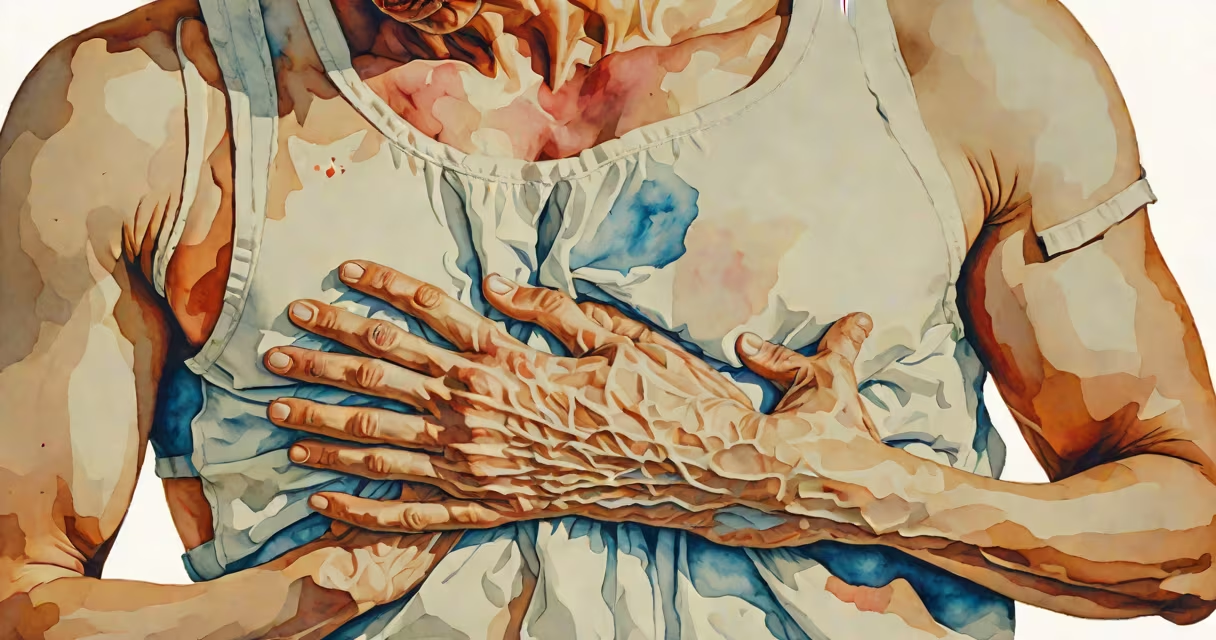
Pressure in chest and difficulty breathing is a combination of symptoms that may indicate a serious underlying condition, including heart attack, pulmonary embolism, or severe asthma. These symptoms require immediate medical evaluation due to their potential life-threatening nature.
When pressure in the chest feels like a heavy weight or squeezing, especially when accompanied by shortness of breath, it often signals reduced blood flow to the heart muscle. This pattern is common in acute coronary syndrome, which includes unstable angina and myocardial infarction. According to the American Heart Association, nearly half of all heart attacks in women present with atypical symptoms such as fatigue, nausea, and unexplained shortness of breath-not just classic crushing chest pain.
Difficulty breathing arises when the lungs cannot take in enough oxygen or expel carbon dioxide efficiently. Conditions like pneumonia, chronic obstructive pulmonary disease (COPD), and pulmonary edema can cause this. A 2021 study published in *The Lancet Respiratory Medicine* found that 36% of patients admitted with acute respiratory failure had undiagnosed pulmonary embolism upon imaging, highlighting how easily these symptoms can be misattributed to less severe causes.
The sensation of pressure in the chest results from ischemia-lack of oxygen-rich blood-reaching cardiac tissue. Nerve endings in the heart send distress signals via the vagus nerve to the brain, interpreted as tightness or pressure. This pain often radiates to the left arm, jaw, or back. Simultaneously, the diaphragm and intercostal muscles work harder to draw air into the lungs, increasing respiratory rate and effort.
During a pulmonary embolism, a clot blocks a pulmonary artery. Blood flow to lung regions drops sharply, causing hypoxemia-low oxygen levels in the blood. The body responds by increasing breathing rate and heart rate. Patients may describe feeling "air hunger" or unable to catch their breath, even at rest. The National Institutes of Health notes that sudden onset of dyspnea (difficulty breathing) with chest pressure is a red flag for pulmonary embolism, particularly in individuals with recent surgery, immobility, or hormonal contraception use.
Conditions that cause pressure in chest and difficulty breathing fall into two broad categories: cardiovascular and pulmonary. Some conditions overlap, making diagnosis complex.
| Type | Common Causes | Key Symptoms |
|---|---|---|
| Cardiovascular | Heart attack, angina, pericarditis, aortic dissection | Crushing pressure, radiation to arm/jaw, sweating, nausea |
| Pulmonary | Pulmonary embolism, pneumothorax, severe asthma, COPD exacerbation | Sudden shortness of breath, sharp pain on inhalation, rapid breathing |
| Psychogenic | Anxiety attacks, panic disorder | Sharp chest pain, hyperventilation, tingling in extremities |
One non-obvious distinction: anxiety-related chest pressure typically worsens during hyperventilation and improves with slow breathing. In contrast, cardiac chest pressure persists despite breathing control techniques. A 2019 study in *JAMA Internal Medicine* showed that 15% of patients presenting with chest pain and dyspnea were diagnosed with panic disorder after ruling out organic causes.
These symptoms frequently emerge during physical exertion, emotional stress, or in sedentary individuals with risk factors like hypertension, diabetes, or smoking history. For example, a 58-year-old man with a 30-pack-year smoking history developed pressure in his chest while walking uphill. He reported progressive shortness of breath and cold sweats. An ECG revealed ST-segment elevation, confirming an acute anterior wall myocardial infarction. He was treated with primary percutaneous coronary intervention within 90 minutes of arrival.
Another scenario involves a 32-year-old woman who flew from New York to Tokyo. Two days later, she experienced sudden chest pressure and shortness of breath. Imaging confirmed a large pulmonary embolism. Her travel history and lack of movement during the flight were key risk factors. The CDC reports that long-haul flights increase deep vein thrombosis risk by 3.5 times, with pulmonary embolism occurring in 1 in 1,000 passengers.
Even mild cases can escalate quickly. A 2020 review in *Chest* journal found that 12% of patients with acute dyspnea and chest pressure required ICU admission within 24 hours, often due to delayed presentation.
Many people mistake acid reflux for cardiac chest pressure. Gastroesophageal reflux disease (GERD) can cause burning sensations behind the sternum, sometimes mimicking angina. However, GERD-related pain usually improves after antacids and is worse after meals. True cardiac pressure does not resolve with over-the-counter medications.
Another frequent error is dismissing shortness of breath as "just being out of shape." While deconditioning can contribute to breathlessness, it rarely presents with sudden onset or associated chest pressure. The American College of Chest Physicians emphasizes that any new-onset dyspnea with chest pressure warrants urgent assessment, regardless of fitness level.
I once observed a patient in a clinic who described "tightness" in her chest and "can't get enough air." She had no prior history of heart disease. After a normal EKG and negative troponin, she was referred for pulmonary function testing. Results showed severe airway obstruction consistent with undiagnosed asthma. Her symptoms improved dramatically with inhaled corticosteroids. This case illustrates how overlapping symptoms demand differential diagnosis.
Pressure in chest and difficulty breathing are medical emergencies when they occur suddenly, last longer than 5 minutes, or worsen with activity. The American Heart Association recommends calling 911 immediately if you or someone else experiences:
Do not wait to see if symptoms resolve. Delaying treatment increases mortality risk. For example, in heart attacks, every 30-minute delay in reperfusion therapy reduces survival by 7.5%, according to the European Society of Cardiology.
Understanding pressure in chest and difficulty breathing is critical for timely intervention. These symptoms are not just discomfort-they are warning signals from the body's most important systems. Recognizing them early saves lives.