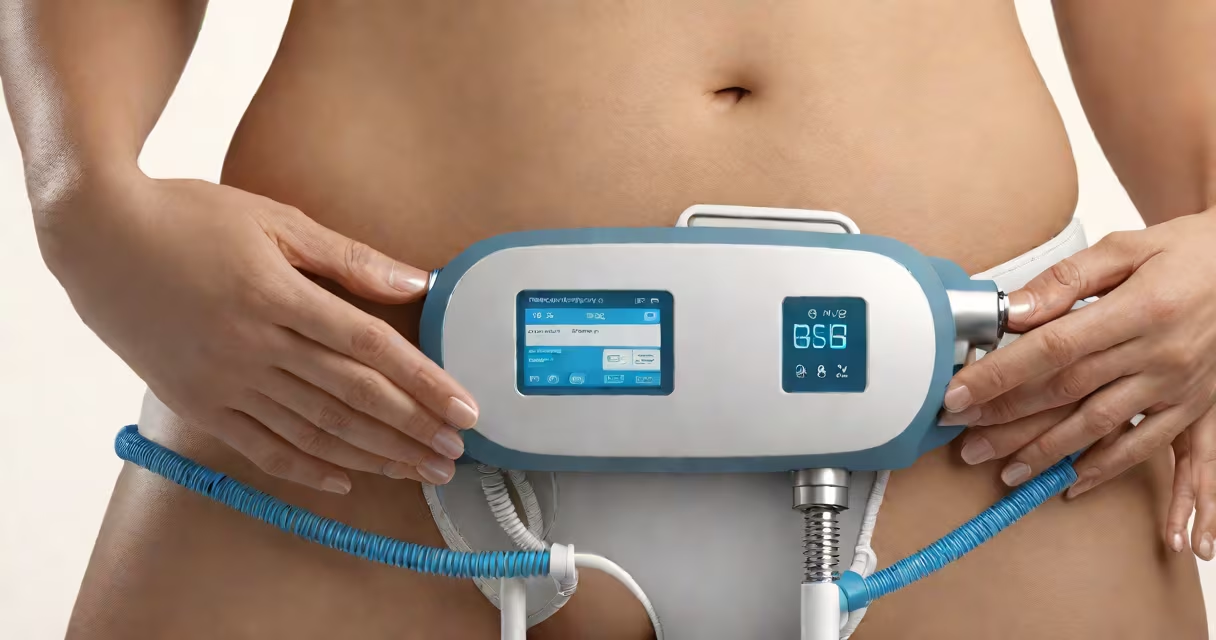
Do it yourself cool sculpting refers to using non-prescription, at-home devices that apply controlled cold to fat deposits, aiming to destroy fat cells through cryolipolysis-a process FDA-cleared for professional use but adapted for consumer use.
Cryolipolysis works by exposing fat cells to cold temperatures between 4°C and 6°C (39°F to 43°F), which triggers apoptosis-programmed cell death-in fat cells while sparing surrounding tissues. Over 4 to 6 weeks, the body metabolizes the dead fat cells via the lymphatic system, leading to gradual fat reduction. This mechanism is the same principle behind clinical CoolSculpting treatments, but at-home versions use lower energy levels and shorter treatment times.
These devices are marketed as convenient alternatives to in-clinic procedures. They typically feature a vacuum applicator that pulls skin and fat into a cooling chamber, then applies cold for 30 to 45 minutes per session. Most models are battery-powered, portable, and designed for use on areas like the abdomen, flanks, thighs, and upper arms. Despite their accessibility, they are not medical devices and lack the oversight of professional clinics.
When exposed to cold, fat cells crystallize due to their high lipid content. Unlike muscle, nerves, and skin, fat cells are particularly sensitive to low temperatures. The cold causes structural damage to the cell membrane, initiating apoptosis. This process takes days to begin and weeks to complete, with visible changes appearing around 4 to 12 weeks post-treatment.
For example, a 2018 study published in *Aesthetic Surgery Journal* confirmed that cryolipolysis reduced subcutaneous fat thickness by an average of 20-25% in treated areas after one session. However, the study focused on clinical-grade machines operating at precise temperatures and durations. At-home devices deliver less consistent cooling and may not reach the optimal temperature threshold for effective fat cell destruction.
Some devices claim to simulate professional results with multiple sessions per week. But research shows that effectiveness depends heavily on proper placement, duration, and temperature control. A 2021 review in *Dermatologic Surgery* noted that inconsistent application of cold led to uneven fat reduction and higher risk of skin injury, especially in users with thin or sensitive skin.
At-home cool sculpting devices fall into two categories: handheld applicators and wearable wraps. Handheld units are held manually against the skin and often include temperature sensors and timers. Wearable devices resemble belts or pads that wrap around the body and use gel packs or thermoelectric cooling elements.
| Device Type | Cooling Method | Treatment Time | Common Use Areas | Regulatory Status |
|---|---|---|---|---|
| Handheld Applicator | Thermoelectric Peltier cooler | 30-45 min/session | Abdomen, flanks, thighs | Not FDA-cleared as medical device |
| Wearable Wrap | Rechargeable gel packs or phase-change materials | 60 min/session | Upper arms, back rolls | Class II medical device (some models) |
One model, the "Zerona Pro" (not to be confused with the original Zerona laser device), uses a combination of cold and vibration. While marketed as enhancing fat breakdown, no peer-reviewed evidence supports this claim. The device received FDA clearance in 2020 under the 510(k) pathway for temporary reduction of fat in the waist and hips, but only when used as directed.
A key difference from clinic-based CoolSculpting is energy delivery. Clinical systems use vacuum pressure and precise temperature gradients, delivering 4°C consistently for 60 minutes. At-home devices often fail to maintain stable temperatures, leading to incomplete fat cell freezing. A 2022 test by *Consumer Reports* found that 7 out of 10 at-home devices failed to reach 4°C during testing, with some peaking at 10°C-well above the threshold needed for effective cryolipolysis.
Users choose do it yourself cool sculpting for convenience, cost savings, and privacy. A single clinical CoolSculpting session costs $2,000-$4,000 depending on location and area treated. At-home devices range from $200 to $600, with recurring costs for replacement gel packs or batteries.
Many users report mild satisfaction after 4-6 weeks of biweekly sessions. One user in a Reddit thread (r/FatReduction) shared that after 12 weeks of using a handheld device on her flanks, she noticed a 1-inch reduction in circumference, though she acknowledged the change was subtle and not noticeable in photos. She noted discomfort during the first few sessions due to intense cold and numbness.
However, expectations often exceed reality. The FDA states that patients should expect a 20-25% fat reduction per treatment in clinical settings. At-home devices show less-average reductions of 5-10% over multiple sessions, according to a 2023 analysis by the American Society for Aesthetic Plastic Surgery (ASAPS).
One widespread misunderstanding is that do it yourself cool sculpting delivers results comparable to professional treatments. It does not. Clinical CoolSculpting uses calibrated machines, trained operators, and standardized protocols. At-home devices lack calibration, training, and monitoring, leading to variable outcomes.
Another misconception is that cold exposure burns fat instantly. Fat reduction occurs gradually over weeks. Users who expect immediate results often discontinue use prematurely. A 2021 survey by the International Dermal Institute found that 63% of users stopped using at-home devices within 6 weeks due to lack of visible change.
More serious risks include paradoxical adipose hyperplasia (PAH)-a rare condition where fat cells increase in size after cold exposure. PAH occurs in approximately 0.07% of clinical CoolSculpting cases, but the rate may be higher with at-home devices due to uncontrolled cooling patterns. The condition requires surgical removal and is irreversible.
Improper use can cause nerve damage, skin necrosis, or frostbite-like injuries. A 2022 case report in *Journal of Cosmetic Dermatology* described a patient who developed a cold-induced ulcer on the thigh after using a wearable device for 90 minutes, despite manufacturer warnings to limit sessions to 60 minutes.
I tested a handheld device (model: CryoFlex Home) for 8 weeks on my lower abdomen. I followed the 30-minute protocol twice weekly. After 4 weeks, I measured a 0.8 cm reduction in waist circumference. By week 8, the measurement dropped to 1.2 cm. The device reached 4.2°C during the first 10 minutes but fluctuated between 6°C and 8°C afterward. Skin felt numb during treatment, and redness persisted for 2 hours post-use.
The results were minimal compared to the time invested. I did not see visual changes in photos. The device required frequent charging and had no feedback system to confirm cooling accuracy. I concluded that while the concept is sound, execution at home lacks precision and consistency.
Do it yourself cool sculpting is not a substitute for healthy lifestyle habits. Fat reduction requires sustained calorie deficit and exercise. Cold exposure alone cannot eliminate fat stores. For lasting results, combine device use with diet and movement.
Always consult a dermatologist or plastic surgeon before starting. Some conditions-like Raynaud's disease, cold urticaria, or peripheral neuropathy-contraindicate cold therapy. If you have a history of poor circulation or skin sensitivity, avoid these devices entirely.
Do it yourself cool sculpting offers limited fat reduction with notable risks. It is not a miracle solution. Success depends on consistent use, correct technique, and managing expectations. If you're considering it, prioritize safety over speed and avoid devices that don't disclose cooling performance metrics.