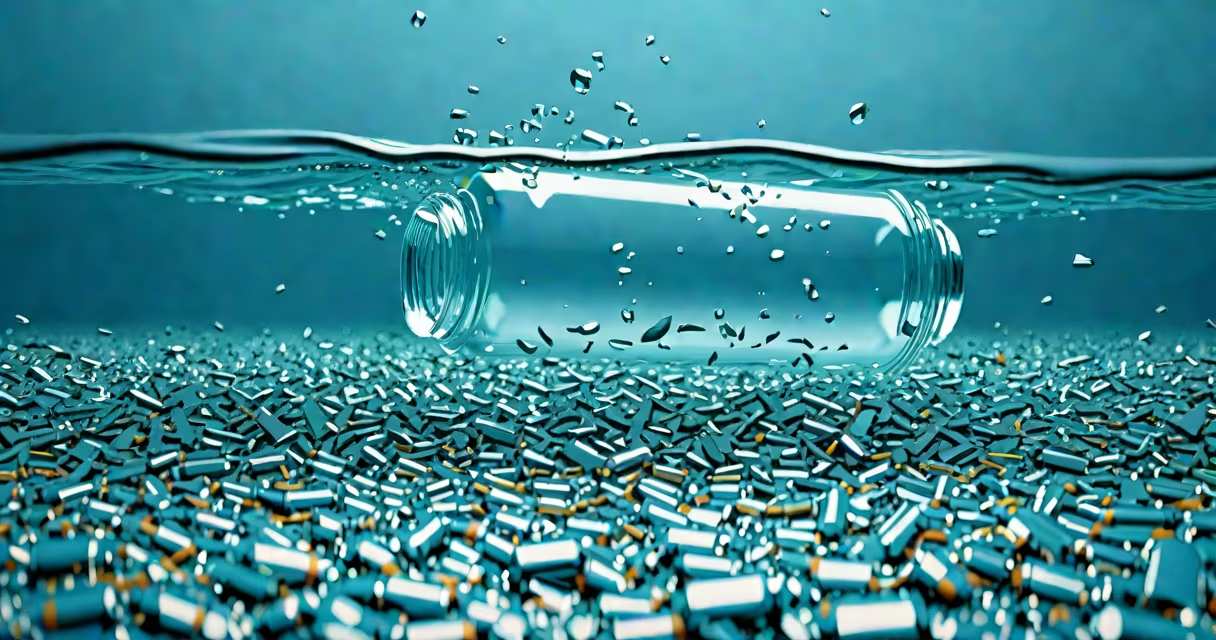
Plastic water bottles affect the environment by contributing to long-term pollution, releasing microplastics into ecosystems, and consuming vast amounts of fossil fuels and water during production. Their lifecycle-from extraction to disposal-results in measurable harm to land, oceans, and wildlife.
Most plastic water bottles are made from polyethylene terephthalate (PET), a petroleum-based plastic. Producing one bottle requires about 3 liters of water and 0.25 liters of oil. After use, less than 30% are recycled globally, according to the United Nations Environment Programme (UNEP). The rest end up in landfills, incinerators, or natural environments.
When discarded, PET bottles take up to 450 years to decompose. During breakdown, they fragment into microplastics-particles smaller than 5 millimeters-that enter soil, rivers, and oceans. These particles are ingested by marine life, including fish and seabirds, and have been detected in human blood and placental tissue, per a 2022 study published in *Environmental Science & Technology*.
Plastic water bottles affect the environment primarily through accumulation in aquatic systems. Rivers carry billions of plastic fragments annually into oceans. A 2021 report by the World Wildlife Fund (WWF) estimated that 11 million metric tons of plastic enter oceans each year, with bottled water packaging among the top contributors.
Marine animals often mistake floating bottles or caps for food. Sea turtles, for example, frequently ingest plastic debris, leading to internal blockages and death. A 2018 study in *Marine Pollution Bulletin* found that 52% of sea turtle species had consumed plastic, with bottles being a common item.
On land, uncollected plastic bottles leach additives like phthalates and bisphenol A (BPA) into soil. These chemicals disrupt plant growth and can migrate into groundwater. In urban areas, stormwater runoff carries loose bottles into drainage systems, overwhelming infrastructure and causing localized flooding.
Plastic water bottles affect the environment across multiple dimensions: resource use, pollution, and climate impact. Each stage of their lifecycle contributes uniquely to ecological degradation.
| Harm Type | Source | Impact Example |
|---|---|---|
| Resource Depletion | Petroleum extraction | Producing 1 billion bottles uses ~10 million barrels of oil annually, equivalent to fueling 100,000 cars for a year. |
| Water Consumption | Manufacturing process | For every liter of bottled water, 3 liters are used in production-over 200 billion liters of freshwater are consumed yearly for bottling. |
| Microplastic Release | Fragmentation in nature | Each bottle releases thousands of microplastic particles over time. A single bottle can generate up to 100,000 microplastics in 10 years. |
| Carbon Emissions | Transport and processing | Shipping bottled water emits 2.5 kg CO₂ per 10-liter case. Global distribution accounts for 1.5% of annual transport-related emissions. |
A 2020 analysis by the Ellen MacArthur Foundation revealed that only 9% of all plastic ever produced has been recycled. The rest accumulates in ecosystems or is incinerated, releasing toxic dioxins and furans. Incineration of plastic waste generates 2.5 times more CO₂ per kilogram than burning coal.
Many assume recycling eliminates environmental harm. This is incorrect. Recycling rates for PET bottles remain low due to contamination, sorting inefficiencies, and lack of infrastructure. Even recycled PET often degrades in quality, limiting reuse to lower-grade applications like clothing or carpeting.
Another myth is that biodegradable plastic bottles solve the problem. Some brands market "plant-based" bottles using corn or sugarcane. However, these still require industrial composting facilities to break down. In natural environments, they degrade no faster than conventional PET and may release methane if buried in landfills.
Plastic water bottles affect the environment even when not visibly littered. A 2023 study in *Nature Communications* showed that airborne microplastics from degraded bottles travel hundreds of kilometers, settling in remote regions like the Arctic and Himalayas. These particles alter snow albedo, accelerating ice melt.
The Great Pacific Garbage Patch spans 1.6 million square kilometers between California and Hawaii. Over 1.8 trillion pieces of plastic float in this zone, with plastic water bottles making up approximately 12% of the total mass. Research from the Ocean Cleanup project shows that 60% of the plastic collected in 2022 was single-use containers, including water bottles.
In a 2021 cleanup effort, volunteers retrieved 42,000 plastic bottles from a 10-kilometer stretch of coastline in the Philippines. Analysis confirmed 38% were water bottles, with 72% showing signs of fragmentation. Most were from international shipping containers that leaked during storms.
These findings show that plastic water bottles affect the environment far beyond local waste sites. They travel via ocean currents, accumulate in gyres, and persist for centuries.
Switching to reusable bottles reduces environmental impact. A single stainless steel or glass bottle used daily for a year avoids generating 365 plastic bottles. Reusable options cut carbon emissions by 90% compared to bottled water, according to a 2021 Life Cycle Assessment by the University of Michigan.
Public infrastructure also plays a role. Cities like San Francisco and Amsterdam have installed over 1,000 free refill stations in parks, transit hubs, and schools. These reduce reliance on single-use bottles and encourage behavioral change.
I tested a reusable bottle system during a week-long hiking trip in Colorado. I filled my 1.5-liter stainless steel bottle at trailhead water spigots and public fountains. Over seven days, I avoided 14 plastic bottles. The bottle remained clean, odor-free, and required no maintenance beyond rinsing.
While individual action matters, systemic change is essential. Countries like Canada and the EU have banned single-use plastic bottles in government facilities. The European Union's Single-Use Plastics Directive, effective 2021, mandates extended producer responsibility-manufacturers must fund collection and recycling programs.