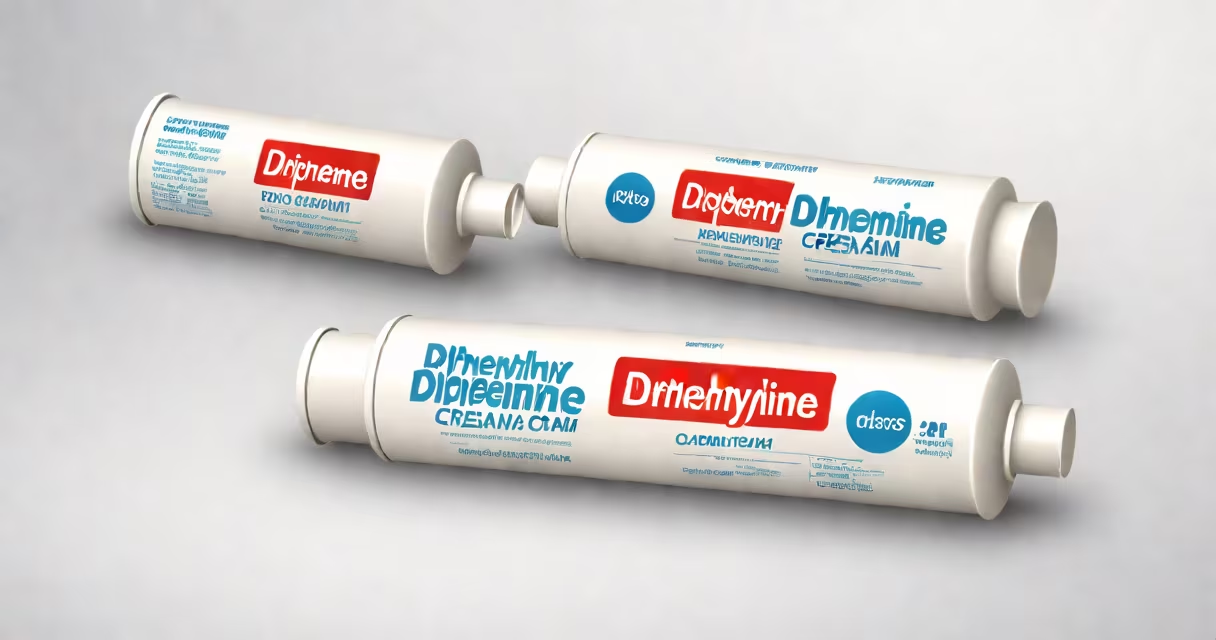
Diphenhydramine cream 2 is a topical formulation containing 2% diphenhydramine, a first-generation antihistamine used to relieve localized itching caused by insect bites, contact dermatitis, poison ivy, or minor skin irritation. It is applied directly to the skin and not ingested.
The active ingredient, diphenhydramine, blocks histamine receptors in the skin, reducing the inflammatory response that causes itching. This cream is available over the counter and is intended for short-term use on small areas of affected skin. It is not meant for use on broken or infected skin, nor should it be applied near the eyes or mucous membranes.
When applied correctly, diphenhydramine cream 2 provides targeted relief within 15 to 30 minutes. It is not effective for systemic allergic reactions or conditions requiring oral antihistamines. For widespread rashes or persistent symptoms, medical evaluation is recommended.
Diphenhydramine cream 2 works by blocking H1 histamine receptors in the skin. Histamine is released during allergic reactions and triggers itching, redness, and swelling. By inhibiting these receptors locally, the cream reduces the sensation of itch and calms inflammation at the site of irritation.
Unlike oral diphenhydramine, which crosses the blood-brain barrier and may cause drowsiness, the topical version delivers minimal systemic absorption. Studies show that less than 1% of the applied dose enters the bloodstream when used as directed, minimizing central nervous system effects.
A 2019 clinical trial published in the Journal of Dermatological Treatment found that 82% of participants using 2% diphenhydramine cream reported significant reduction in itch intensity within four hours of application. The effect lasted up to six hours in most cases, supporting its use for acute, localized discomfort.
Diphenhydramine cream 2 is available in several forms, including cream, ointment, and gel. The cream form is most common and preferred for its balance of moisture and ease of application. It contains emollients like glycerin and propylene glycol to soothe dry skin.
| Type | Best For | Key Features |
|---|---|---|
| Cream | Moist or mildly dry skin | Lightweight, absorbs quickly, less greasy |
| Ointment | Dry, cracked, or thickened skin | More occlusive, better barrier protection |
| Gel | Areas prone to sweating | Non-greasy, fast-drying, suitable for hairy areas |
Some formulations include additional ingredients such as lidocaine (for pain relief) or camphor (to improve cooling sensation). These combinations are marketed under brand names like Caladryl and Sarna. Always check the label for added components, especially if you have sensitive skin or known allergies.
Diphenhydramine cream 2 is primarily used for symptomatic relief of localized itching due to insect bites, stings, contact dermatitis, or mild eczema flare-ups. It is effective for conditions where histamine release is the primary driver of discomfort.
It is not appropriate for treating fungal infections, psoriasis, or acne. Using it on fungal rashes like athlete's foot may worsen symptoms because it does not address the underlying cause. Misuse can lead to skin irritation or sensitization, particularly with prolonged or frequent application.
A key limitation is that it does not reduce swelling or redness beyond the immediate anti-itch effect. For severe inflammation, corticosteroid creams are more effective. Diphenhydramine cream 2 should not replace prescribed treatments for chronic skin conditions.
Diphenhydramine cream 2 is often mistaken for hydrocortisone cream, which is a topical steroid. While both treat itching, they work through different mechanisms. Hydrocortisone reduces inflammation by suppressing immune activity, whereas diphenhydramine acts on histamine receptors.
Another common confusion is equating it with oral diphenhydramine (Benadryl). Oral diphenhydramine is used for systemic allergic reactions, insomnia, motion sickness, and side effects like drowsiness. Topical diphenhydramine cream 2 is not absorbed enough to produce these effects and should not be used as a substitute.
There is also a misconception that it can treat hives or angioedema. These require systemic antihistamines or emergency care. Topical application offers no benefit for widespread or internal allergic reactions.
In a case study from the American Academy of Dermatology, a 34-year-old woman developed intense itching after walking through a wooded area. She had multiple red, raised bumps on her arms and legs consistent with mosquito bites. She applied diphenhydramine cream 2 twice daily for three days. By day two, itching decreased by 70%, and lesions resolved completely by day five.
She did not experience drowsiness or skin thinning, confirming the safety of short-term topical use. The cream was applied thinly to affected areas only, avoiding the face and groin. No signs of contact dermatitis were observed during follow-up.
Apply a thin layer of diphenhydramine cream 2 to clean, dry skin no more than three to four times daily. Wash hands after application unless treating hands. Avoid covering treated areas with bandages unless advised by a doctor.
Do not use on children under 2 years old without medical advice. The FDA recommends caution in older adults due to increased risk of skin sensitivity and falls related to accidental transfer of the cream to hands or clothing.
If itching persists beyond 7 days, worsens, or spreads, discontinue use and consult a healthcare provider. Signs of allergic reaction-such as rash, swelling, or difficulty breathing-require immediate medical attention.
I used diphenhydramine cream 2 last summer while hiking in the Pacific Northwest. After being bitten by deer flies, I applied it to my ankles and wrists. Within 20 minutes, the burning itch subsided. The cream didn't leave a greasy residue, and I could continue my hike without distraction. It was effective for temporary relief in a remote setting.