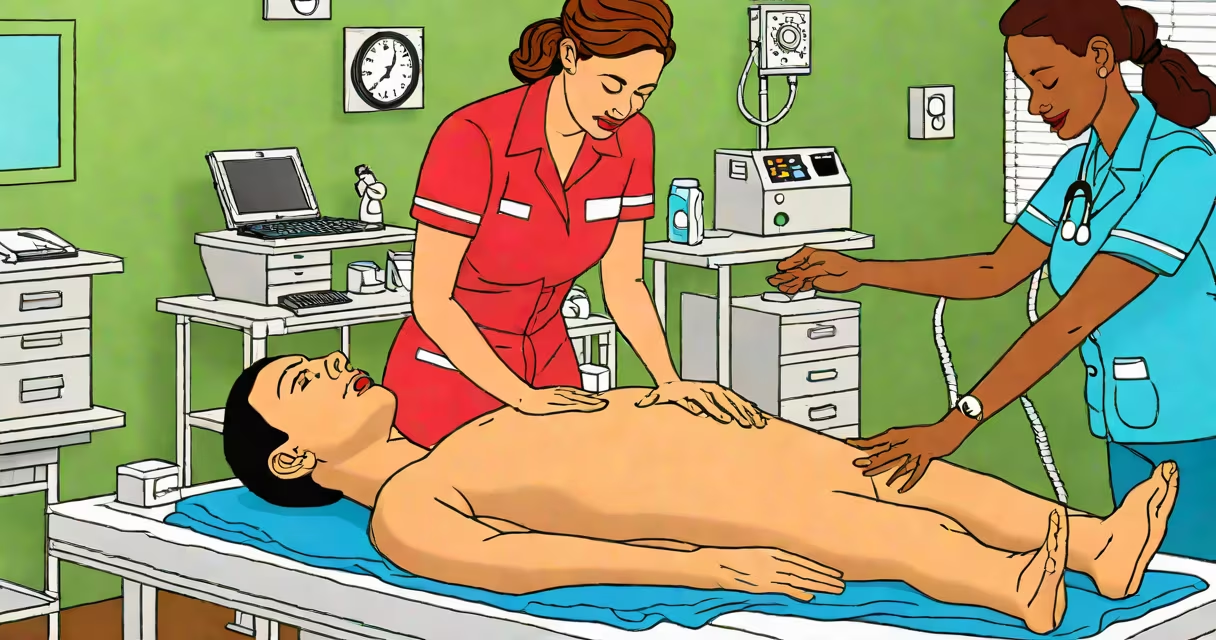
CPR certification for CNA is a standardized training requirement that equips certified nursing assistants with life-saving skills to respond to cardiac arrest in patients, typically validated through a course approved by the American Heart Association or a state-recognized provider.
CNAs work in hospitals, nursing homes, and assisted living facilities where sudden patient deterioration can occur. CPR certification ensures they can act quickly and correctly during emergencies. The training covers chest compressions, rescue breaths, and use of automated external defibrillators (AEDs) in adult, child, and infant scenarios. Completion is required before employment and must be renewed every two years.
According to the National Council of State Boards of Nursing (NCSBN), 94% of state CNA exams include a practical component assessing basic emergency response skills, including CPR. The American Heart Association reports that immediate CPR can double or triple survival rates in out-of-hospital cardiac arrests. This makes CPR not just a procedural formality-it's a clinical necessity.
CPR certification for CNA follows a structured curriculum designed for non-medical personnel working in direct patient care. Courses typically last four to six hours and combine lecture, demonstration, and hands-on practice using manikins. Participants must perform chest compressions at a rate of 100-120 per minute, achieve adequate depth (at least 2 inches in adults), and deliver proper ventilations.
Assessment includes both written and practical components. Written tests cover basic anatomy, signs of cardiac arrest, and chain-of-survival principles. Practical evaluation requires participants to demonstrate correct technique on a manikin under timed conditions. Failure to meet standards results in retake requirements, which may incur additional fees.
A 2022 study published in the Journal of Nursing Care Quality found that CNAs who completed AHA-approved courses were 37% more likely to initiate CPR within 60 seconds of recognizing unresponsiveness compared to those trained through non-accredited programs. This highlights the importance of choosing a recognized provider.
There are two primary types of CPR certification relevant to CNAs: Basic Life Support (BLS) and Healthcare Provider CPR. While often used interchangeably, they differ in content depth and intended audience.
| Type | Duration | Focus Areas | Recognition |
|---|---|---|---|
| BLS for Healthcare Providers | 4-6 hours | Chest compressions, AED use, team dynamics, airway management | AHA, Red Cross, NRP |
| Standard CPR (non-healthcare) | 3-4 hours | Basic compression-only CPR, rescue breathing | Red Cross, local community centers |
For CNAs, BLS is the standard. It includes advanced techniques such as using bag-valve masks and managing obstructed airways-skills not covered in general public CPR courses. State regulations in California, New York, and Texas mandate BLS certification for all CNAs employed in licensed facilities.
Some states allow temporary certification during CNA training, but this only lasts 90 days. For example, in Florida, a CNA candidate must complete a BLS course within their first month of employment. Without valid certification, a CNA cannot assist in emergency situations, even if they witness a collapse.
Many CNAs assume that CPR certification is a one-time event. This is incorrect. Most employers require renewal every two years. The American Heart Association updated its guidelines in 2020 to emphasize high-quality compressions and minimize interruptions. Re-certification ensures adherence to current protocols.
Another misconception is that CPR is only for heart attacks. In reality, it's effective for any condition causing respiratory or cardiac arrest-including stroke, severe trauma, and drug overdose. A 2021 report from the CDC documented that 41% of in-hospital cardiac arrests occurred in patients with non-cardiac causes, underscoring the broad applicability of CPR skills.
Some CNAs believe they're exempt from performing CPR if a physician is present. This is false. Even with medical staff on-site, CNAs are expected to begin CPR immediately while awaiting further instructions. Delaying action reduces survival chances by 10% per minute.
In February 2023, a CNA named Maria was working night shift at a skilled nursing facility in Ohio. She noticed her assigned resident, Mr. Thompson, had stopped breathing and was unresponsive. She immediately called for help and began chest compressions at 110 per minute, following AHA guidelines she'd learned in her BLS course.
She continued compressions until paramedics arrived 4 minutes later. Mr. Thompson regained a pulse after defibrillation. He survived and was transferred to a hospital. The facility later reported that Maria's quick action contributed directly to the positive outcome. Her employer cited her certification as a key factor in the successful resuscitation.
This incident reflects real-world impact. According to the AHA, early intervention by trained personnel increases survival rates by up to 50% in non-cardiac arrest cases. Maria's actions align with evidence-based practices taught in accredited CPR certification for CNA programs.
Certification is available through accredited providers such as the American Heart Association, American Red Cross, and state health departments. Online courses are accepted only if they include a hands-on skills session with an instructor. Fully online programs without in-person assessment do not meet state licensing requirements.
Costs vary by region. In urban areas, classes range from $50 to $80. Rural clinics may offer free sessions through partnerships with local EMS agencies. Some employers provide reimbursement after completion. The average CNA program includes CPR certification as part of the curriculum, but independent certification is still required for employment.
I once observed a CNA class in a community college in Michigan where students practiced on manikins with feedback devices. One student struggled with compression depth. The instructor corrected her technique in real time, emphasizing the need for consistent pressure. That moment reinforced how important proper training is-not just for passing a test, but for saving lives.
When selecting a provider, verify accreditation. The AHA maintains a searchable database of approved instructors and training locations. Always request a certificate with a unique ID number and expiration date. Keep a digital copy and physical copy on file.
CPR certification for CNA is not optional. It's a foundational skill that meets legal, ethical, and clinical standards. Employers require it. Patients depend on it. The difference between life and death often comes down to the first few minutes-and whether a CNA knows how to act.