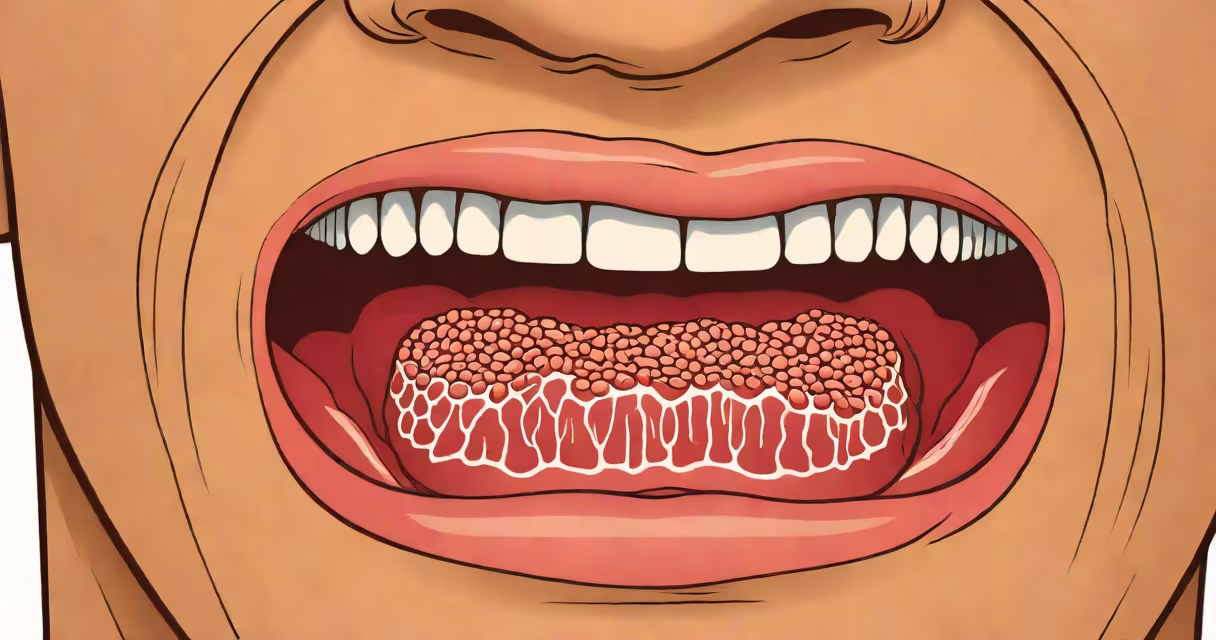
Corynebacterium diphtheriae symptoms begin with a severe sore throat, fever, and swollen neck glands, often progressing to a thick gray membrane in the airway that can obstruct breathing. This bacterium produces a potent toxin that damages tissues and can lead to life-threatening complications if untreated.
The infection typically starts 2 to 5 days after exposure. Initial signs mimic a severe viral sore throat-high fever, chills, fatigue, and difficulty swallowing. Within 12 to 24 hours, a pseudomembrane forms over the tonsils and pharynx. This membrane is composed of dead tissue, fibrin, bacteria, and white blood cells. It appears grayish-white and adheres tightly to the mucosa, making it difficult to remove without bleeding.
A 2021 study published in *The Lancet Infectious Diseases* reported that untreated diphtheria has a mortality rate of 5% to 10% in adults and up to 20% in children under five. The toxin produced by C. diphtheriae inhibits protein synthesis in host cells, leading to systemic effects beyond the throat. These include myocarditis (heart muscle inflammation), peripheral neuropathy (nerve damage), and kidney dysfunction.
After inhalation or contact with infected secretions, C. diphtheriae colonizes the epithelial lining of the upper respiratory tract. The bacterium secretes diphtheria toxin, encoded by a lysogenic bacteriophage. This toxin binds to cells via the receptor for epidermal growth factor, enters the cytoplasm, and inactivates elongation factor 2 (EF-2), halting protein synthesis. Cell death follows, creating necrotic tissue that forms the characteristic membrane.
Not all carriers develop symptoms. Asymptomatic carriage occurs in 5% to 10% of exposed individuals, according to the CDC. These people can still spread the disease through respiratory droplets or contaminated objects. A person with mild symptoms may mistake the illness for strep throat or mononucleosis, delaying diagnosis.
Progression to airway obstruction is rapid. In one documented case from India in 2019, a 6-year-old child developed stridor and cyanosis within 18 hours of symptom onset. Intubation was required within four hours of presentation. The child recovered after antitoxin administration but suffered permanent hearing loss due to cranial nerve involvement.
Diphtheria presents in several forms based on the site of infection. The most common is respiratory diphtheria, affecting the nose, pharynx, and larynx. Cutaneous diphtheria involves skin lesions, often in tropical regions or among people with poor hygiene. Rarely, genital or ocular infections occur.
| Type | Common Symptoms | Incidence Rate | Complication Risk |
|---|---|---|---|
| Respiratory | Sore throat, fever, pseudomembrane, swollen lymph nodes | ~85% | High (airway obstruction, myocarditis) |
| Cutaneous | Ulcers, crusting, painless sores | ~10% | Moderate (secondary infection, scarring) |
| Other (genital/ocular) | Discharge, swelling, vision changes | <1% | Variable (tissue destruction, chronic infection) |
Respiratory diphtheria is the most dangerous. The membrane can extend into the trachea, causing complete airway blockage. A 2020 report from the World Health Organization noted that 30% of fatal cases involved respiratory failure as the primary cause of death.
Corynebacterium diphtheriae is often confused with other Corynebacterium species, such as C. jeikeum or C. ulcerans, which are less virulent and rarely cause systemic illness. These species are part of normal skin flora and are not associated with toxin production or membrane formation.
Another frequent error is equating diphtheria with diphtheria-like illnesses caused by other pathogens. For example, infectious mononucleosis (Epstein-Barr virus) can produce a gray membrane and sore throat, but it lacks the rapid progression and toxin-mediated damage seen in true diphtheria. A 2018 study in *Clinical Microbiology and Infection* found that 12% of suspected diphtheria cases in Indonesia were actually EBV-related.
Diphtheria is not a viral infection. It is bacterial, and antibiotics are effective against the organism-but only if administered early. Antitoxin neutralizes circulating toxin but does not kill the bacteria. Delaying treatment increases risk of irreversible organ damage.
In 2022, a 4-year-old boy in Kano State presented with a three-day history of high fever, refusal to eat, and a hoarse voice. On examination, a gray membrane covered his tonsils and extended to the uvula. He had a rapid pulse and shallow breathing. A nasopharyngeal swab tested positive for C. diphtheriae using PCR.
Within six hours of admission, he developed stridor and required intubation. Antitoxin was administered, and intravenous penicillin G was started. By day three, the membrane began sloughing off. However, cardiac monitoring revealed ST-segment changes consistent with myocarditis. He remained in intensive care for 10 days and later developed mild facial nerve palsy.
This case illustrates the speed of progression and the importance of recognizing early signs. The child survived because of timely intervention, but long-term neurological follow-up is required.
If a sore throat is accompanied by fever above 38.5°C (101.3°F), difficulty breathing, or a visible gray membrane, seek immediate medical attention. Do not attempt to remove the membrane at home. Even mild symptoms in unvaccinated individuals warrant urgent evaluation.
Travelers to endemic areas-such as parts of Southeast Asia, sub-Saharan Africa, and Eastern Europe-should ensure they are up to date on diphtheria-tetanus-pertussis (DTP) vaccination. The WHO recommends booster doses every 10 years for adults.
Early recognition of corynebacterium diphtheriae symptoms saves lives. Prompt treatment with antitoxin and antibiotics reduces mortality and prevents long-term disability. Vaccination remains the most effective prevention strategy.