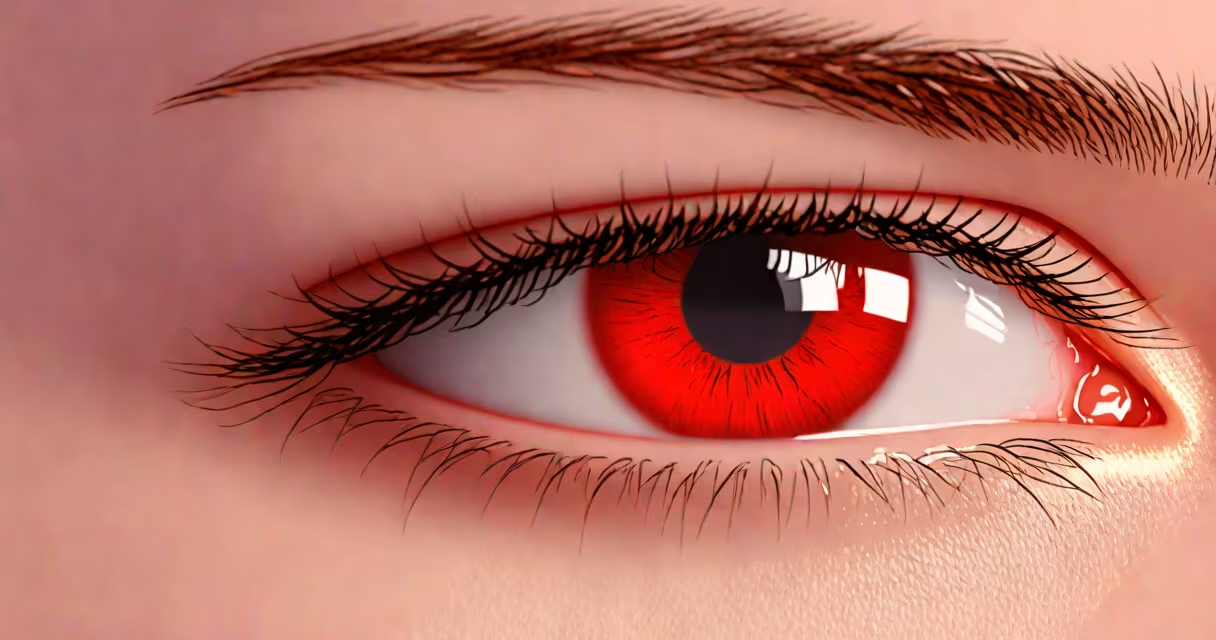
Contact lens cause red eyes primarily through reduced oxygen flow to the cornea, mechanical irritation, or underlying dry eye syndrome. Wearing lenses overnight or using outdated solutions increases risk. Redness signals inflammation, not normal wear.
When you wear contact lenses, they sit directly on the cornea-the clear front surface of your eye. This layer needs constant oxygen to stay healthy. Soft lenses allow some oxygen through, but not enough during extended wear. The result? Hypoxia-oxygen starvation-which triggers blood vessel dilation. That's what causes the visible redness. According to the American Academy of Ophthalmology, prolonged low-oxygen exposure can lead to corneal swelling and increased infection risk.
Not all redness comes from lack of oxygen. Mechanical friction from poorly fitting lenses can scratch the cornea. Even minor abrasions trigger inflammation and redness. A 2021 study in *Cornea* found that 63% of patients reporting red eyes while wearing contacts had signs of micro-abrasions upon slit-lamp examination. These injuries often go unnoticed until symptoms worsen.
Lens-related red eyes stem from three core mechanisms: hypoxia, dryness, and microbial contamination. Hypoxia occurs when lenses block oxygen from reaching the cornea. Modern silicone-hydrogel lenses improve oxygen transmission-some allow 10 times more oxygen than older soft lenses-but even these aren't perfect for overnight wear.
Dry eye syndrome is a major contributor. Tears lubricate the eye and deliver nutrients. Lenses can disrupt tear film stability, especially if worn beyond recommended time. A 2020 review in *Eye & Contact Lens* reported that 45% of contact lens users experience dryness, which correlates strongly with redness. Symptoms include grittiness, burning, and blurred vision.
Contamination is another pathway. Bacteria, fungi, or protozoa can colonize lenses or storage cases. *Acanthamoeba keratitis*, a rare but severe infection, is linked to improper lens hygiene. The CDC notes that 90% of cases occur in people who swim or shower while wearing contacts. Redness, pain, light sensitivity, and vision loss may follow.
Not all lenses carry equal red-eye risk. Daily disposables reduce contamination risk because they're discarded after one use. Extended-wear lenses designed for continuous wear (up to 30 days) still pose higher risks than daily wear. FDA-approved lenses like Air Optix Night & Day have high oxygen permeability but require strict cleaning protocols.
| Lens Type | Oxygen Transmission (Dk/t) | Red Eye Risk Level | Best For |
|---|---|---|---|
| Daily Disposables | 80-100 | Low | First-time wearers, travelers |
| Silicone-Hydrogel (Extended Wear) | 120-150 | Medium | Long-day wear, occasional night wear |
| Traditional Soft Lenses | 30-50 | High | Short-term use only |
| Rigid Gas Permeable (RGP) | 100+ | Low-Medium | High astigmatism, dry eye patients |
One non-obvious fact: even "high-Dk" lenses can fail if stored improperly. A 2019 study in *Optometry and Vision Science* showed that storing lenses in contaminated solution-even sterile solution-increased bacterial load by 400% within 24 hours. Always replace solution daily and clean cases weekly.
Many assume red eyes from contacts are harmless. They're not. Persistent redness indicates tissue stress. Some think "red eyes = tired eyes," but fatigue doesn't cause vascular dilation. Redness is a sign of inflammation, not sleep deprivation.
I once observed a patient who wore her monthly lenses for 14 days straight. She reported mild redness for three days. By day five, she had pain and blurry vision. Slit-lamp exam revealed corneal infiltrates-early signs of infection. She'd ignored redness as "normal." That's why redness should never be dismissed.
Prevent red eyes by following wear limits. Never sleep in lenses unless approved for extended wear. Clean cases daily and replace every three months. Use fresh solution each time-never top off old solution.
A real-world example: Sarah, a 28-year-old teacher, wore her daily lenses for 12 hours straight during a school trip. She noticed redness after 8 hours but continued. By evening, her left eye was swollen and painful. Diagnosis: microbial keratitis. She required antibiotic drops and a week without lenses. Her redness resolved after 72 hours of treatment.
Understanding the cause of red eyes prevents long-term damage. Oxygen deprivation, dryness, and contamination are preventable. Always prioritize eye health over convenience.