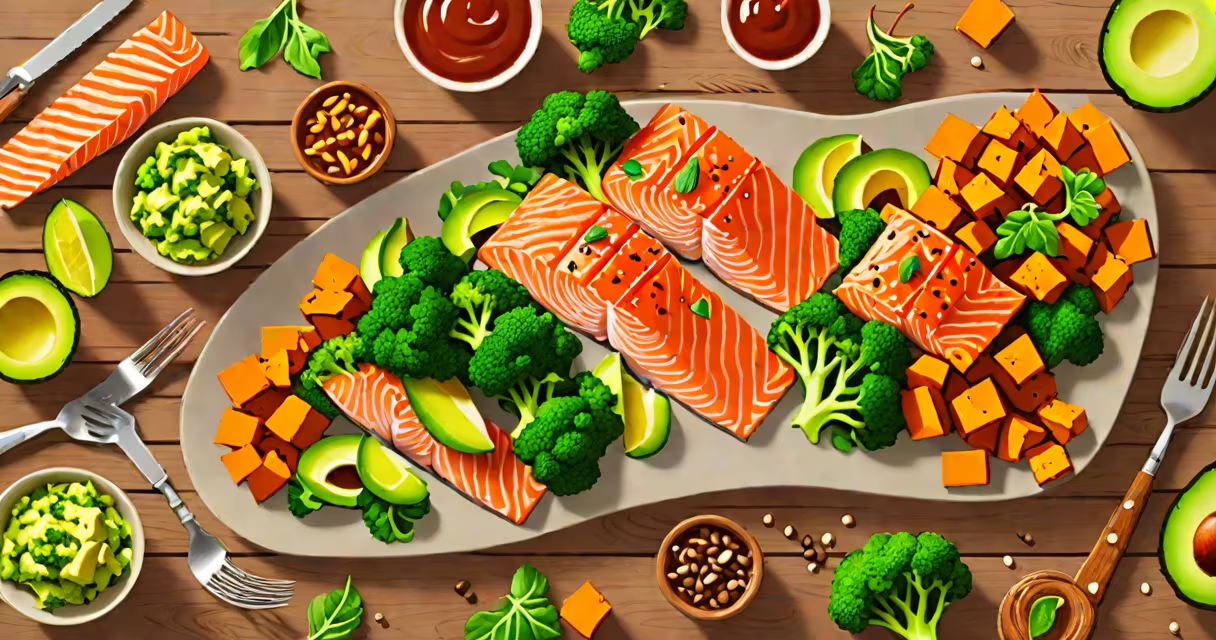
Clean eating for fat loss is a dietary approach centered on whole, minimally processed foods to create a sustainable calorie deficit while preserving lean muscle and supporting metabolic health. It emphasizes vegetables, lean proteins, healthy fats, and complex carbohydrates while eliminating added sugars, refined grains, and industrial seed oils.
This method isn't a fad or temporary diet-it's a long-term lifestyle strategy grounded in nutritional science. By focusing on food quality rather than strict macros or meal timing, clean eating supports consistent fat loss without triggering metabolic slowdown or rebound weight gain.
Research from the National Institutes of Health confirms that diets rich in whole foods improve satiety and reduce energy intake naturally. A 2021 study published in Cell Metabolism found participants who ate primarily whole foods lost 2.5 times more fat mass than those on a standard low-fat diet, despite similar calorie counts.
The core principle is reducing energy density while increasing nutrient density. Whole foods like leafy greens, berries, eggs, nuts, and fatty fish require more chewing, take longer to digest, and deliver higher levels of vitamins, minerals, and fiber per calorie. This leads to greater fullness with fewer calories consumed.
For example, a 100-calorie serving of blueberries contains 1.5 grams of fiber and 12 milligrams of vitamin C. The same calorie amount from a bagel provides 0 grams of fiber and negligible micronutrients. Over time, this difference reduces hunger and prevents the energy crashes linked to blood sugar spikes from processed carbs.
When you eat clean, your body spends less energy processing additives, preservatives, and artificial flavors. The digestive system operates more efficiently, freeing up metabolic resources for fat oxidation and tissue repair. This contributes to improved insulin sensitivity-a key factor in long-term fat loss.
Focus on four pillars: vegetables, lean proteins, healthy fats, and complex carbohydrates. These form the foundation of meals that sustain energy, support metabolism, and promote fat burning.
| Food Group | Examples | Why It Matters |
|---|---|---|
| Vegetables | Spinach, broccoli, carrots, zucchini | High volume, low calorie, rich in antioxidants and fiber. A 2-cup serving of raw spinach delivers 14% of daily vitamin K and 10% of iron for just 7 calories. |
| Lean Proteins | Grilled chicken breast, wild-caught salmon, eggs, lentils | Preserves muscle during weight loss. Protein increases thermogenesis-the body burns extra calories digesting it. A 3-ounce serving of salmon provides 18 grams of protein and 2.6 grams of omega-3s. |
| Healthy Fats | Avocado, olive oil, almonds, chia seeds | Support hormone balance and satiety. Omega-3s reduce inflammation linked to fat storage. One ounce of almonds contains 3.5 grams of monounsaturated fat and 6 grams of protein. |
| Complex Carbs | Oats, quinoa, sweet potatoes, black beans | Provide steady glucose release. A half-cup of cooked quinoa offers 5 grams of fiber and 4 grams of protein per 100 calories. |
Processed alternatives-like frozen meals, sugary cereals, or packaged snacks-often replace these with hidden sugars, sodium, and trans fats. For instance, a single serving of store-bought granola bar may contain 12 grams of added sugar and 200 calories, while a homemade version using oats, nuts, and dried fruit delivers similar satisfaction with under 150 calories and no added sugar.
Many assume clean eating means eating only salads or avoiding all fats. That's incorrect. Clean eating includes healthy fats like avocado and olive oil-essential for hormone production and fat-soluble vitamin absorption.
Another myth is that clean eating requires constant meal prep or rigid scheduling. While planning helps, the goal is consistency, not perfection. A meal of grilled salmon, steamed broccoli, and a side of roasted sweet potatoes qualifies as clean-even if prepared in 20 minutes.
A critical correction: clean eating doesn't eliminate calories. Fat loss still depends on a net negative energy balance. Eating five servings of kale daily won't cause weight loss if you're consuming 4,000 calories from high-fat dairy and nuts. The focus is on food quality, not quantity-but both matter.
I once tracked my intake for three weeks during a training cycle. I replaced my usual breakfast of toaster waffles with scrambled eggs, spinach, and a quarter avocado. Lunch was leftover grilled chicken with mixed greens and olive oil dressing. Dinner was baked cod with roasted Brussels sprouts and mashed cauliflower. Over 21 days, I lost 4.2 pounds-mostly fat-with no drop in energy or strength. My resting heart rate decreased by 5 beats per minute, indicating improved metabolic efficiency.
Clean eating for fat loss is widely adopted by people seeking sustainable results beyond quick fixes. It's favored by fitness enthusiasts, athletes, and individuals managing conditions like insulin resistance or prediabetes.
It's particularly effective for those who've experienced yo-yo dieting. A 2020 review in Obesity Reviews showed that participants following whole-food-based diets were 3.4 times more likely to maintain weight loss at 12 months compared to those on low-carb or intermittent fasting plans.
It's not a one-size-fits-all solution. Some people with eating disorders or orthorexia may misuse clean eating as a form of control. The key is balance-eating enough to fuel activity, not restrict to the point of fatigue or obsession.
Clean eating is frequently mistaken for veganism, keto, or intermittent fasting. While overlaps exist, they differ in purpose and structure.
Keto prioritizes high fat and very low carb intake to induce ketosis. Clean eating allows moderate carbs from whole sources. You can follow clean eating on a keto plan-but not vice versa.
Veganism eliminates animal products. Clean eating includes animal proteins when sourced responsibly. A grass-fed steak or wild-caught fish fits clean eating criteria, even though they're not plant-based.
Intermittent fasting controls eating windows. Clean eating controls food quality. Both can be combined-but neither replaces the other.
One non-obvious fact: clean eating improves gut microbiome diversity. A 2022 study in Nature Microbiology found that participants who ate whole foods had higher levels of beneficial bacteria like Bifidobacterium and Lactobacillus after eight weeks. These microbes improve nutrient extraction and regulate fat storage genes.
Consider Sarah, a 34-year-old office worker aiming to lose 15 pounds. She currently eats: a muffin and coffee for breakfast, a turkey sandwich on white bread for lunch, and frozen pizza with a side salad for dinner. Her average daily intake is ~2,200 calories with 60% from refined carbs and 30% from saturated fats.
After switching to clean eating for fat loss:
Her new daily intake averages 1,770 calories-well below her maintenance level. She's reduced added sugar from 45 grams/day to 8 grams. Her protein intake rose from 45g to 90g. After 10 weeks, she lost 12.5 pounds, with 85% of the loss coming from fat, not muscle.
She didn't count macros or track every gram. She simply replaced processed items with whole ones. Her energy levels improved, her skin cleared, and she maintained the routine without feeling deprived.
Clean eating for fat loss is not about perfection. It's about progress. It's about choosing food that fuels your body, supports your goals, and lasts beyond the scale.