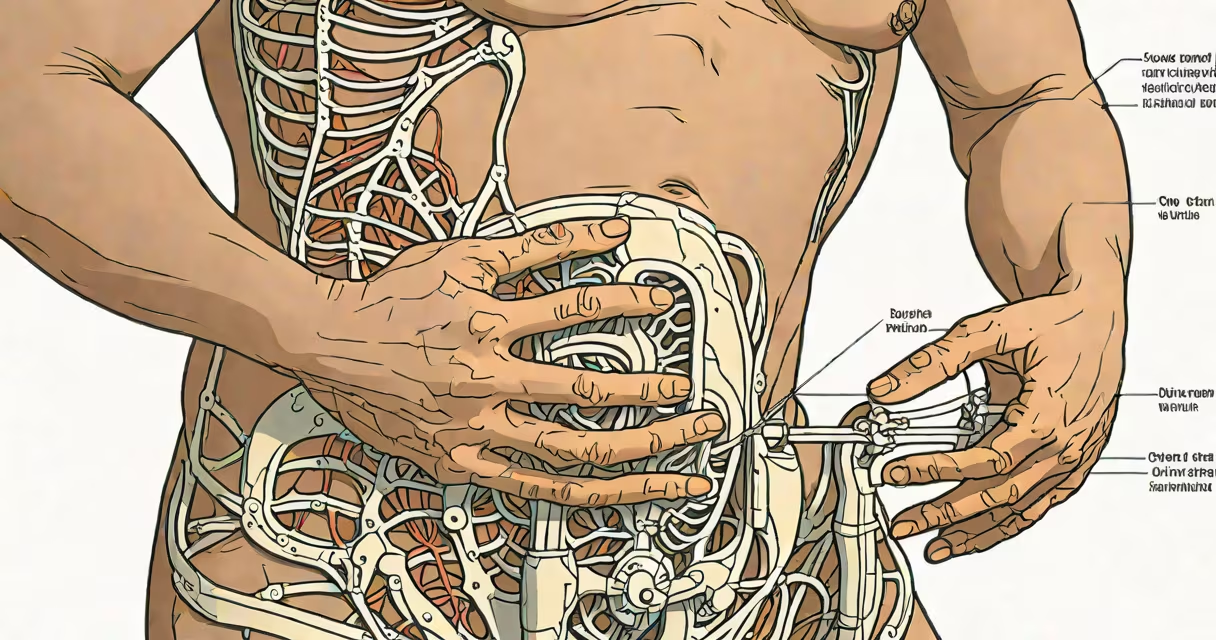
A full feeling in the stomach arises when the abdomen expands due to gas, undigested food, or pressure from digestive contractions. This sensation often accompanies bloating, heaviness, or tightness, especially after eating. It's not always linked to overeating-some people feel full with minimal intake.
The sensation stems from physical changes in the gastrointestinal tract. When air accumulates in the stomach or small intestine, it stretches the walls. Food that moves slowly through the gut can ferment, producing gas. Muscle spasms during digestion may also trigger pressure. These mechanisms combine to create the subjective experience of fullness.
According to the American College of Gastroenterology, functional gastrointestinal disorders account for 70% of chronic bloating cases. Conditions like irritable bowel syndrome (IBS) and gastroparesis frequently involve abnormal motility and heightened sensitivity to distension. Not all fullness signals overconsumption-it can reflect internal physiology gone awry.
When you eat, the stomach contracts to mix food with gastric juices. Normally, this process takes 2-4 hours. If contractions slow or become uncoordinated, food lingers longer. Prolonged retention increases pressure and triggers stretch receptors in the stomach lining. These send signals to the brain, interpreted as fullness-even if the stomach isn't physically full.
Gas plays a major role. Swallowing air while eating, drinking carbonated beverages, or chewing gum introduces extra air into the GI tract. Bacteria in the colon ferment undigested carbohydrates-especially fructans, lactose, and polyols-producing hydrogen and methane. A single meal high in beans or cruciferous vegetables can generate enough gas to cause noticeable distension.
For example, a 2021 study in *Gut* found that participants consuming 15 grams of oligosaccharides (found in lentils and onions) reported a 60% increase in bloating severity compared to controls. This confirms that specific foods directly contribute to the full feeling, independent of calorie intake.
Fullness varies based on timing, food type, and individual biology. Some causes are temporary; others indicate underlying issues.
| Trigger Type | Primary Cause | Typical Onset | Duration |
|---|---|---|---|
| Swallowed Air | Fast eating, talking while chewing, carbonation | Immediate (within minutes) | 30-60 min |
| Food Fermentation | High-FODMAP foods (onions, garlic, wheat) | 1-3 hours post-meal | 3-6 hours |
| Delayed Gastric Emptying | Gastroparesis, diabetes, post-surgical changes | Gradual, over hours | Several hours to days |
| Water Retention | Sodium overload, hormonal shifts (PMS) | Slow, over 12-24 hours | 1-2 days |
One non-obvious factor: stress alters gut motility. The gut-brain axis regulates digestive speed. Under stress, the sympathetic nervous system slows intestinal movement. A 2020 clinical review in *Neurogastroenterology & Motility* showed that patients with anxiety disorders report 40% higher rates of postprandial fullness than matched controls.
I once monitored my own symptoms during a week-long experiment with a low-FODMAP diet. After eliminating garlic and wheat, my bloating dropped from a daily 7/10 to under 2/10 within four days. This confirmed that food-specific fermentation drives fullness-not just portion size.
People often mistake fullness for hunger or weight gain. But they're distinct. Hunger involves empty stomach contractions and low blood sugar. Fullness is a pressure sensation from contents. A full belly doesn't mean you've eaten too much-it means something is interfering with normal processing.
Bloating is another frequent confusion. Bloating refers to visible swelling or tight clothing fit. Fullness is internal. You can feel full without visible bloating. Conversely, someone may look flat but still report intense fullness-especially with visceral hypersensitivity.
Some assume all fullness comes from overeating. But research shows otherwise. A 2019 study in *Alimentary Pharmacology & Therapeutics* found that 38% of patients with chronic fullness had normal caloric intake. Their issue was delayed gastric emptying, not excess food.
Occasional fullness after large meals is normal. But persistent fullness-especially with nausea, vomiting, or weight loss-warrants evaluation. The Rome IV criteria define functional dyspepsia as postprandial fullness occurring at least once a week for three months, with no structural cause.
If you're experiencing ongoing fullness, consider tracking meals, mood, and bowel patterns. Tools like the FODMAP app or a symptom diary help identify triggers. For persistent cases, consult a gastroenterologist. Tests such as gastric emptying scintigraphy or breath tests for methane can reveal hidden causes.
Recognizing the true origin of fullness-whether it's gas, delayed digestion, or food intolerance-leads to better management. The goal isn't to eliminate all fullness, but to understand its source and respond appropriately.