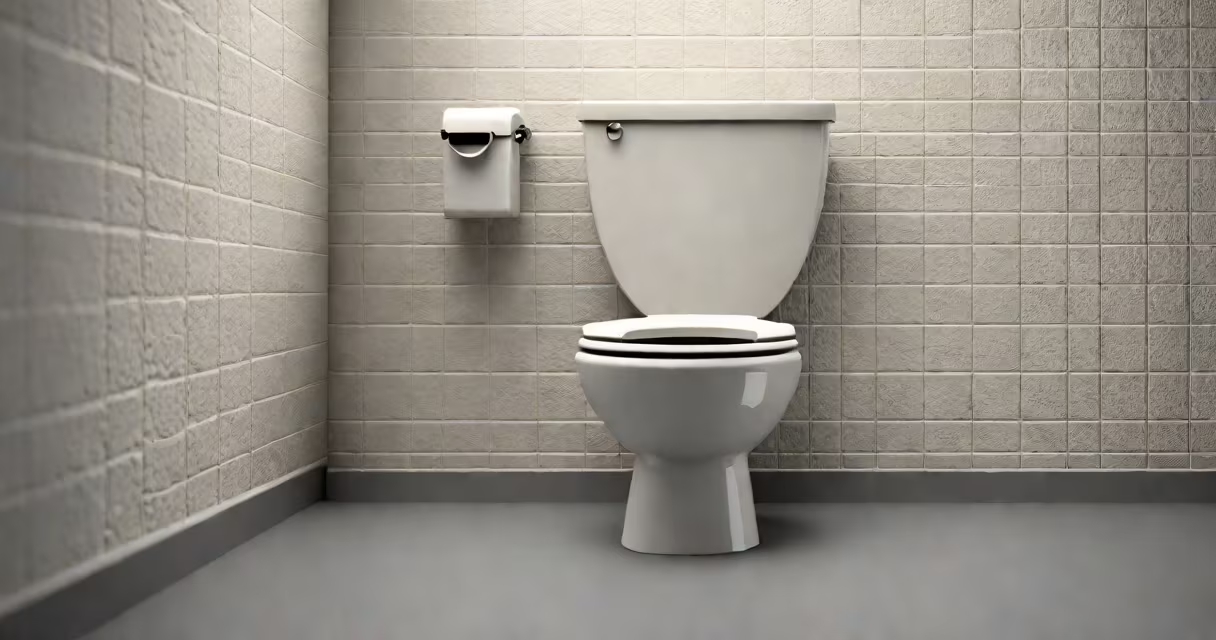
A blocked toilet without a plunger occurs when waste and flush water fail to drain due to a clog, leaving no access to a traditional plunging tool. This situation demands quick, practical solutions using common household items or physical force.
When a toilet won't flush and water backs up, the issue lies in a partial or complete obstruction in the trap or drainpipe. Without a plunger, standard pressure-based clearing fails. Instead, alternative mechanical or chemical interventions must be applied. The goal remains the same: dislodge or dissolve the blockage to restore flow.
Plungers rely on creating vacuum pressure through rapid up-and-down motion. Without one, users turn to alternatives such as boiling water, a wire hanger, or a mixture of baking soda and vinegar. These methods work by either breaking down organic material or applying physical force to shift debris. Success depends on timing, technique, and the nature of the blockage.
Plumbing systems depend on gravity and pressure to move waste. A clog interrupts this flow. When the toilet won't flush, water rises because the exit path is obstructed. The blockage may consist of toilet paper, fecal matter, or foreign objects like wipes or toys.
Without a plunger, pressure cannot be generated mechanically. Alternatives must simulate or replace that force. Boiling water applies thermal energy to soften fibrous materials. Baking soda and vinegar create a foaming reaction that breaks down organic residue. A bent wire hanger physically pushes or pulls debris through the trap.
These methods differ in effectiveness based on the blockage's location and composition. A shallow clog near the trap responds well to boiling water or a wire. A deeper obstruction may require multiple attempts or stronger agents. Chemical drain cleaners offer speed but risk pipe damage if misused.
Several household tools and substances can clear a blocked toilet without a plunger. Each works under specific conditions and has limitations.
| Method | How It Works | Best For | Success Rate (estimated) |
|---|---|---|---|
| Boiling water | Thermal breakdown of organic material | Shallow clogs, paper buildup | ~60% |
| Baking soda + vinegar | Chemical reaction produces gas that loosens debris | Organic sludge, mild blockages | ~50% |
| Bent wire hanger | Manual removal via physical reach into trap | Hard objects, tangled paper | ~70% |
| Plumber's snake (manual) | Rotating cable extends into drain to break up blockage | Deep clogs, recurring issues | ~90% |
Boiling water is the fastest option. Pour 1-2 quarts of water just below boiling (around 200°F) slowly into the bowl. Avoid sudden temperature changes that could crack porcelain. This method dissolves paper and softens fecal matter but fails against hard or fibrous obstructions.
Baking soda and vinegar produce carbon dioxide gas. Mix 1 cup baking soda with 2 cups vinegar. Pour the mixture into the bowl and wait 15-30 minutes. The foam expands and lifts debris. After waiting, flush. This method is safe for pipes but ineffective on large clumps or solid objects.
A bent wire hanger acts as a makeshift drain snake. Straighten a coat hanger, bend one end into a small hook. Insert it into the drain hole and twist or push. Feel for resistance. If you encounter a blockage, wiggle or pull. This method removes hair, paper, or small objects but risks scratching the porcelain if forced too hard.
In my home, a child dropped a plastic toy into the toilet during a weekend visit. The bowl filled quickly, and flushing did nothing. I had no plunger. I tried boiling water first-no effect. The toy was lodged in the S-trap.
I then used a bent wire hanger. After several attempts, I felt resistance and pulled out a small piece of plastic. I flushed again. Water drained partially. I repeated the process until the toy emerged. Total time: 12 minutes. No damage to the fixture.
This example shows that manual retrieval is viable when the blockage is accessible. It also highlights a critical rule: never force tools into the bowl. Always start gently to avoid cracking the porcelain.
People often mistake a blocked toilet without a plunger for a sewer backup. A sewer backup involves wastewater flowing backward from the main line into the home. It indicates a larger system failure, not a single fixture issue. Symptoms include foul odors, slow drains in multiple fixtures, and standing water in floor drains.
Blocked toilets without plungers are usually isolated incidents. They stem from overuse, improper disposal, or low-flush models. A sewer backup requires professional intervention. Calling a plumber early prevents contamination and structural damage.
Another misconception is that chemical drain cleaners are safe for all blockages. According to the Environmental Protection Agency (EPA), harsh chemicals like lye or bleach can corrode metal and PVC piping over time. They also pose health risks if mixed with other cleaners. The EPA warns against using these products in residential drains unless absolutely necessary.
One overlooked fact: the toilet's flush valve can fail independently of the tank. If water doesn't enter the bowl after flushing, the problem may lie in the flapper or fill valve-not the drain. Check for leaks or incomplete seals before assuming a clog exists.
Another tip: never flush multiple times after a blockage. Repeated attempts increase pressure and risk overflow. If the bowl fills past the rim, stop immediately. Clean up the spill with a mop and disinfectant to prevent mold growth.
For recurring blockages, consider switching to a high-efficiency toilet with stronger flush mechanisms. The U.S. Department of Energy reports that low-flow toilets reduce water usage by up to 60% compared to older models. However, they require proper maintenance to avoid clogs.
Understanding the mechanics behind a blocked toilet without a plunger enables faster, safer resolution. Knowing which method to try-and when to stop-prevents escalation and saves money.