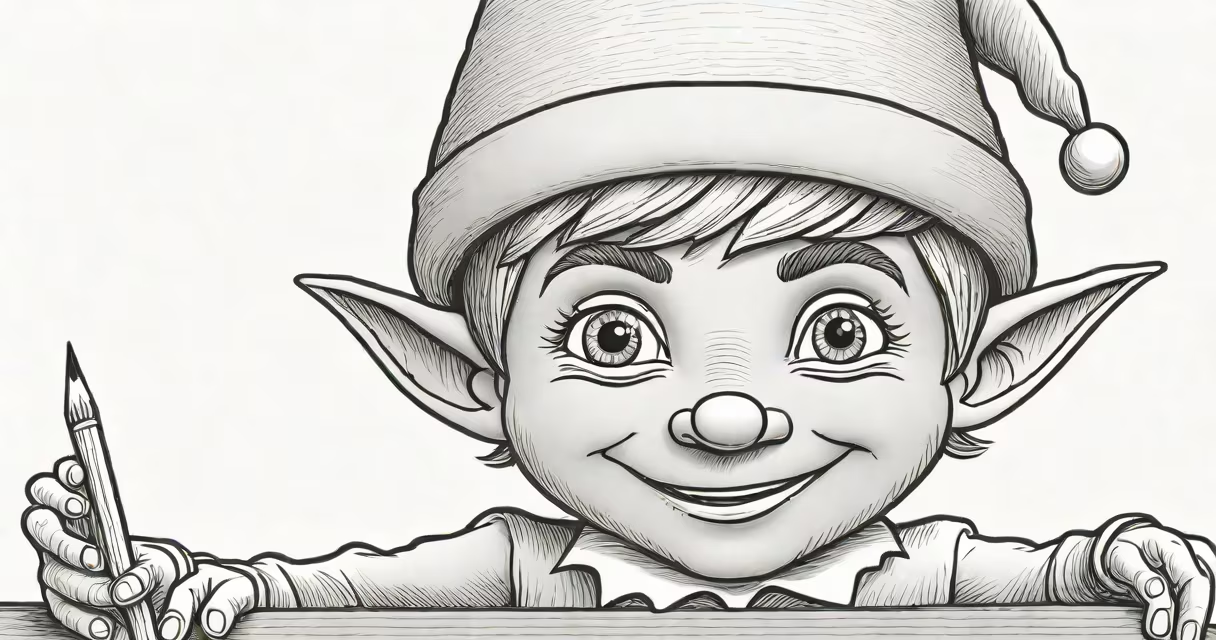
The "elf on the shelf pun" is a humorous twist on the popular Christmas tradition where a figurine elf is placed around the house to watch children and report their behavior to Santa. These jokes exaggerate the elf's antics into absurd or witty scenarios, often playing on double meanings or unexpected outcomes.
Originating in the early 2000s as a marketing gimmick for a children's book series, the "Elf on the Shelf" phenomenon grew into a cultural staple. Families place the elf in different spots each night, claiming it moves on its own. The "pun" version turns this narrative into comedy by reimagining the elf's actions with wordplay, irony, or slapstick logic.
For example, a common "elf on the shelf pun" says: "I told my elf he had to stop stealing cookies. He said, 'I'm just doing my job.'" This joke relies on the elf's role as Santa's spy being twisted into a justification for theft-a play on the phrase "doing my job."
These jokes follow a setup-and-punchline structure. The setup establishes the familiar context: a child, a cookie jar, a suspiciously placed elf. The punchline subverts expectations by giving the elf human-like reasoning or sarcasm, turning a quiet observation into a sly excuse.
Another example: "My elf said he couldn't find the reindeer food. I told him to check under the couch. He said, 'I've been there. It's just dust and crumbs.'" The humor lies in the elf's deadpan delivery of something mundane, implying he's not just watching-he's also bored.
Some puns lean into absurdity. A viral version goes: "I asked my elf if he'd seen my lost sock. He said, 'I've been watching the whole house. I didn't see it.' I said, 'But it was under the bed.' He replied, 'That's not my job. That's laundry.'" This plays on the idea that the elf has a limited scope of duty, which feels both logical and ridiculous.
Elves in these jokes often act as passive-aggressive observers, sarcastic narrators, or accidental accomplices. They don't just report-they comment, complain, or make snarky remarks. The humor emerges from treating the elf as a sentient character with a sense of humor.
| Type | Description | Example |
|---|---|---|
| Double Meaning | Uses homophones or ambiguous phrases tied to the elf's actions. | "My elf said he was 'on the shelf' because he was tired. I said, 'Then why aren't you on the couch?'" |
| Situational Irony | Contrasts the elf's role with a real-world task. | "I asked my elf to hide the wrapping paper. He said, 'I can't. I'm on duty.' I said, 'You're not even in the room.'" |
| Personification | Gives the elf human emotions or logic. | "My elf said he wasn't going to move tonight. I asked why. He said, 'I've got a cold.'" |
These puns thrive on relatability. Parents and kids alike recognize the chaos of holiday prep-the missing gifts, the last-minute shopping, the endless cookies. The elf becomes a stand-in for the stress of the season, delivering comic relief through exaggeration.
Many people assume the "elf on the shelf pun" is just a silly meme or internet joke. But it's rooted in a real tradition with specific rules. According to the official Elf on the Shelf website, the elf must "move each night" and "watch quietly." Breaking these rules-like letting the elf stay still or talking to it-defeats the purpose.
However, the puns ignore those boundaries. They treat the elf as a free agent, capable of making jokes, complaining about chores, or even taking vacation days. This creative license is what makes the humor work-it's not about accuracy, but about imagining the elf as a quirky roommate.
A lesser-known fact: the original book series, *Elf on the Shelf* by Carol Aebersold and Chanda Bell, never included jokes or puns. The humor emerged organically from parents sharing stories online. Platforms like Reddit and TikTok have since amplified these versions, turning them into seasonal content staples.
In December 2022, a family in Michigan posted a video of their elf "caught" in a failed prank. The elf was found tangled in a string of lights, blinking red. The caption read: "He said he was just 'checking the wiring.' I said, 'That's not your job.' He said, 'I'm on the shelf. I'm multitasking.'"
This clip went viral with over 2 million views. The humor came from the elf's over-the-top dedication to surveillance-even when it led to electrical hazards. The joke worked because it mirrored real-life holiday stress: trying to keep everything safe while still having fun.
I once tried this myself during a family gathering. I placed the elf on a bookshelf behind a stack of hardcover novels. My niece asked, "Why is he hiding?" I said, "He's undercover. He's investigating the mystery of the missing candy cane." She laughed and said, "He's not even looking." I replied, "That's the point-he's pretending to be busy." The moment felt authentic, not forced. That's the power of a good pun: it turns routine into ritual.
Some confuse the "elf on the shelf pun" with general holiday jokes. Not all Christmas humor qualifies. A joke about snowmen or Santa's sleigh isn't an "elf on the shelf pun" unless it centers on the elf's movement, spying, or rule-breaking.
Another mistake is assuming the puns are meant to be literal. They're not. The humor depends on exaggeration. Saying "my elf stole my phone charger" isn't funny if taken seriously. But saying "he said he needed it for his nightly report" adds a layer of irony that lands.
The "elf on the shelf pun" blends childhood tradition with adult wit. It transforms a quiet holiday ritual into a shared moment of laughter. Whether delivered in a card, a text, or a live performance, these jokes rely on timing, exaggeration, and familiarity with the core concept.
They're not just jokes-they're modern folklore. Each one adds a new layer to the story of the magical elf who watches, reports, and occasionally makes a terrible pun.