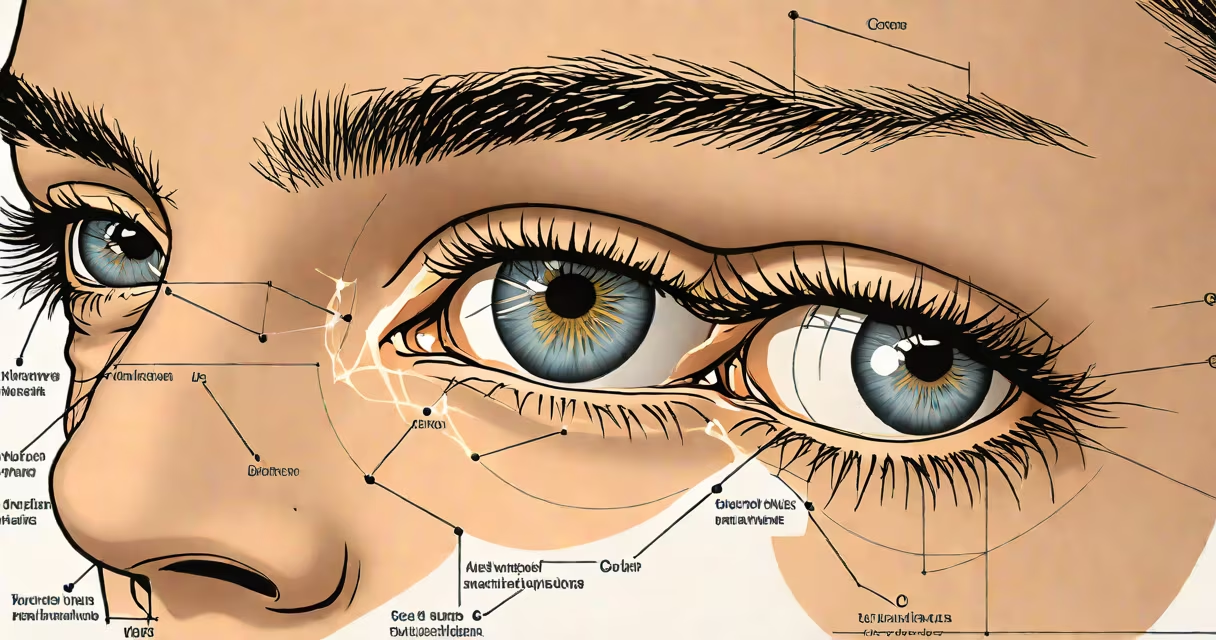
Swollen eyes from allergies result from an immune system overreaction to airborne allergens like pollen, pet dander, or mold, causing inflammation, fluid buildup, and itching around the eyelids. This condition often overlaps with allergic conjunctivitis, where the clear membrane covering the eye becomes inflamed.
Allergens trigger mast cells in the eye's tissues to release histamine, a chemical that increases blood vessel permeability. This allows fluid and immune cells to leak into surrounding tissues, leading to puffiness, redness, and discomfort. Symptoms typically appear within minutes to hours after exposure and may worsen during high pollen seasons or in dusty indoor environments.
According to the American Academy of Ophthalmology, allergic conjunctivitis affects up to 20% of people in the U.S., with seasonal forms peaking in spring and fall. The condition is distinct from bacterial or viral eye infections, which usually involve discharge, fever, or vision changes. Swollen eyes from allergies rarely cause blurred vision unless severe swelling blocks the tear ducts.
When allergens enter the eye, they bind to IgE antibodies on mast cells. These cells then degranulate, releasing histamine and other inflammatory mediators. Histamine acts on H1 receptors in blood vessels, causing dilation and increased leakage. This leads to localized edema-fluid accumulation-in the delicate skin around the eyes.
The thin eyelid skin lacks fat and muscle layers, making it highly sensitive to swelling. Even minor fluid shifts can create noticeable puffiness. In chronic cases, repeated exposure can lead to thickened tissue or dark circles due to dilated capillaries under the skin.
A 2021 study published in *The Journal of Allergy and Clinical Immunology* found that patients with seasonal allergic conjunctivitis had higher levels of tryptase and prostaglandins in tear fluid compared to controls, confirming the role of immune cell activation in ocular swelling.
Antihistamine eye drops such as olopatadine (Patanol) or ketotifen (Zaditor) block H1 receptors in the conjunctiva, reducing histamine-driven inflammation. These drops are available over the counter and work within 10 to 15 minutes. For moderate to severe cases, prescription-strength versions offer longer duration of action.
Cold compresses reduce swelling by constricting blood vessels and slowing fluid leakage. Applying a chilled cloth or ice pack wrapped in a thin towel for 10-15 minutes several times daily can provide immediate symptom relief. Cold temperatures also numb nerve endings, decreasing itch and discomfort.
Oral antihistamines like cetirizine (Zyrtec) or loratadine (Claritin) block systemic histamine receptors. They are effective for widespread allergy symptoms including sneezing, runny nose, and itchy eyes. However, they may cause drowsiness in some users, especially older adults.
| Relief Method | Onset Time | Duration | Best For |
|---|---|---|---|
| Antihistamine eye drops | 10-15 min | 6-12 hr | Localized eye swelling and itching |
| Cold compresses | Immediate | 30-60 min | Quick reduction of puffiness |
| Oral antihistamines | 30-60 min | 12-24 hr | Systemic allergy symptoms |
I've used olopatadine eye drops during peak ragweed season while working outdoors. Within five minutes, the burning sensation subsided, and the puffiness reduced noticeably after 30 minutes. The effect lasted through the afternoon without needing additional doses.
Many assume swollen eyes from allergies are caused by dry eyes. Dryness leads to irritation and grittiness, not puffiness. Swelling indicates fluid retention, not lack of moisture. Using artificial tears for swelling can worsen symptoms if the product contains preservatives that irritate inflamed tissue.
Another error is treating eye swelling with steroid creams. Topical steroids can thin the skin and increase infection risk if used near the eyes. The FDA warns against using corticosteroid creams on facial skin without medical supervision. Steroids are reserved for severe cases under ophthalmologist care.
Some believe that removing contact lenses eliminates swelling. While contacts can trap allergens and worsen symptoms, swelling persists if the underlying allergy remains unaddressed. A 2019 clinical review in *Ophthalmology* noted that 43% of contact lens wearers with allergic conjunctivitis still experienced eye swelling after switching to daily disposables-indicating that lens choice alone doesn't resolve the issue.
Identifying and avoiding allergens reduces flare-ups. Keep windows closed during high pollen counts, use HEPA filters in HVAC systems, and wash bedding weekly in hot water to remove dust mites. Wearing sunglasses outdoors limits allergen exposure to the eyes.
For persistent cases, allergy testing via skin prick or blood tests (like specific IgE panels) can identify exact triggers. Immunotherapy-either subcutaneous shots or sublingual tablets-can desensitize the immune system over time. A 2020 study in *Allergy* showed that 70% of patients with seasonal allergic conjunctivitis reported significant symptom improvement after three years of immunotherapy.
If swelling persists beyond two weeks despite treatment, consult an ophthalmologist. Chronic swelling may indicate secondary conditions like blepharitis or autoimmune disorders such as Sjögren's syndrome.