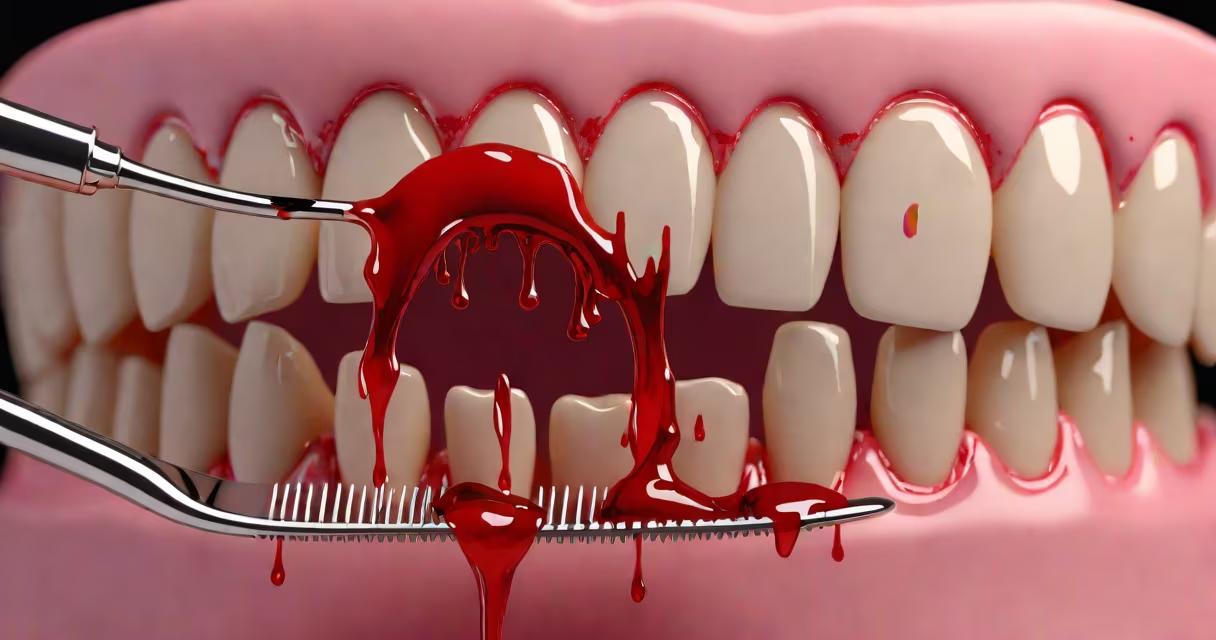
Bleeding gums during brushing occur when the soft tissue around teeth becomes inflamed due to plaque buildup, often signaling early-stage gum disease known as gingivitis. This condition affects nearly half of U.S. adults, according to the CDC.
Plaque-a sticky film of bacteria-accumulates along the gumline. If not removed daily through brushing and flossing, it hardens into tartar, which irritates the gums. The immune system responds by increasing blood flow to the area, making tissues more fragile and prone to bleeding when brushed.
Even gentle brushing can cause visible blood on the toothbrush or in the sink. This is not normal. Healthy gums are firm, pink, and do not bleed during routine cleaning. Persistent bleeding indicates inflammation that, left untreated, may progress to periodontitis, leading to bone loss and tooth loss.
Bacteria in plaque produce toxins that trigger an inflammatory response in the gums. As the body fights infection, capillaries dilate and become leaky. Brushing pressure then ruptures these delicate vessels, causing blood to appear in saliva or on the brush.
Research from the American Academy of Periodontology shows that 90% of people with bleeding gums have detectable plaque under the gumline, even if they brush twice daily. This highlights that brushing technique matters as much as frequency.
A common mistake is using a hard-bristled brush or aggressive scrubbing motions. These can wear down enamel and damage gum tissue, creating a cycle where gums recede and bleed more easily. The American Dental Association recommends soft-bristled brushes and circular motions rather than side-to-side scrubbing.
Bleeding gums during brushing fall into two categories: reversible and persistent. Reversible cases resolve within days of improving oral hygiene. Persistent cases require professional intervention.
| Type | Common Causes | Recovery Time |
|---|---|---|
| Reversible | Plaque accumulation, poor brushing technique, hormonal changes | 3-7 days with improved habits |
| Persistent | Gingivitis, periodontitis, systemic conditions (e.g., diabetes), vitamin deficiencies | Requires dental treatment; weeks to months |
Vitamin C deficiency, for example, weakens capillary walls and increases bleeding risk. A 2021 study in the Journal of Clinical Dentistry found that patients with low serum vitamin C levels were 2.3 times more likely to report bleeding gums during brushing than those with adequate intake.
Systemic diseases such as leukemia or uncontrolled diabetes can also manifest as gum bleeding. In these cases, bleeding occurs even with minimal stimulation and may be accompanied by fatigue, weight loss, or frequent infections. The National Institutes of Health notes that individuals with poorly managed diabetes have a higher incidence of severe periodontal disease.
Many assume that bleeding gums are a sign of effective cleaning. This is false. Bleeding signals irritation, not removal of plaque. The myth persists because people associate redness and blood with "deep cleaning." But healthy gums don't bleed-ever.
Another misconception is that flossing causes bleeding. While initial flossing may cause temporary discomfort, consistent use reduces bleeding over time. The American Dental Association states that regular flossing decreases gingival inflammation by up to 40% in six weeks.
Some people avoid brushing when gums bleed, worsening the problem. Avoiding brushing leads to more plaque accumulation, which further inflames tissues. The correct response is to continue gentle brushing and flossing while seeking professional evaluation.
If bleeding persists beyond seven days despite proper brushing and flossing, consult a dentist. Early diagnosis prevents progression to advanced periodontitis, which requires scaling, root planing, or surgery.
I once observed a patient who brushed twice daily with a hard brush and rinsed with mouthwash containing alcohol. His gums bled consistently. After switching to a soft brush, fluoride toothpaste, and daily flossing, his bleeding stopped in five days. He later reported that he'd assumed bleeding was normal until shown otherwise.
Signs that warrant immediate attention include swollen or receding gums, bad breath that doesn't improve with brushing, pus between teeth, or loose teeth. These suggest deeper infection or bone loss.
Prevent bleeding gums by brushing twice daily with a soft-bristled brush using a 45-degree angle to the gumline. Floss daily, using a gentle back-and-forth motion. Use an antimicrobial mouth rinse if recommended by your dentist.
Replace your toothbrush every three months or when bristles fray. A worn brush fails to remove plaque effectively. Electric toothbrushes reduce bleeding by 30% compared to manual ones, according to a 2020 Cochrane review.
Diet plays a role too. High sugar intake fuels harmful bacteria. A diet rich in leafy greens, berries, and nuts supports gum health. Omega-3 fatty acids reduce inflammation, and vitamin K helps with blood clotting.
Regular dental cleanings every six months catch early signs before they worsen. Most dentists detect early gingivitis during routine exams, even when patients report no symptoms.
For women experiencing hormonal shifts-such as during pregnancy or menstruation-gum sensitivity may increase. The American College of Obstetricians and Gynecologists reports that up to 10% of pregnant women develop "pregnancy gingivitis," which resolves after childbirth with proper care.
While cramps during implantation bleeding are unrelated, they show how bodily changes affect perception. Implantation bleeding occurs around 6-12 days after conception and is light spotting, not linked to brushing. Confusing it with gum bleeding can delay recognition of early pregnancy or mask underlying dental issues.
Bleeding gums during brushing is not a minor issue. It's a clear signal that the body is fighting inflammation at the gumline. Addressing it early prevents irreversible damage. Consistent, correct oral hygiene reduces bleeding in most cases. If it continues, see a dentist promptly.
Understanding what bleeding gums during brushing means helps prevent long-term dental problems. Recognizing the signs and acting early protects both oral and health.