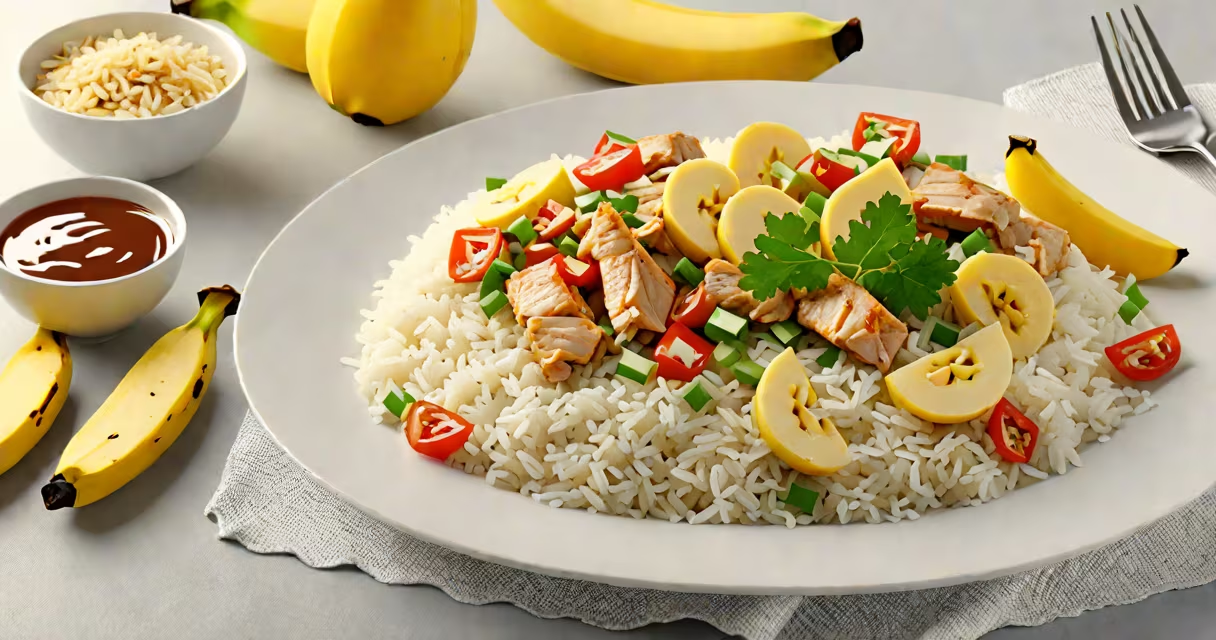
The best foods for recovering from a stomach bug are low-fiber, low-acid, and easily digestible options like bananas, white rice, applesauce, and toast-collectively known as the BRAT diet. These foods reduce intestinal irritation, help firm stools, and restore basic nutrients lost during vomiting or diarrhea.
After a gastrointestinal infection, the digestive tract is sensitive. Foods high in fiber, fat, or acidity can worsen cramping or delay recovery. The BRAT diet was developed by pediatricians in the 1950s to manage mild gastroenteritis in children and remains clinically recommended by the American Academy of Pediatrics for early-stage recovery.
While the BRAT acronym is widely cited, it's not a rigid rule. Real-world recovery relies on gradual reintroduction of food based on tolerance. For example, a 2021 study in Frontiers in Pediatrics found that patients who ate small portions of low-residue meals within 6 hours of symptom onset had shorter recovery times than those who fasted longer.
Bananas provide potassium and pectin-a soluble fiber that slows bowel movements. A single medium banana contains 422 mg of potassium, helping replace electrolytes lost through vomiting or diarrhea. The American College of Gastroenterology notes that potassium depletion increases risk of muscle cramps and fatigue during recovery.
White rice is low in fiber and rich in easily absorbed carbohydrates. Its starch forms a protective layer in the intestines, reducing irritation. Unlike brown rice, which contains insoluble fiber that can stimulate bowel activity, white rice is gentle on the gut. A ½ cup cooked white rice delivers 15 grams of carbohydrate with minimal residue.
Applesauce offers pectin and mild sweetness without fructose overload. Unsweetened varieties are ideal-added sugar can feed harmful gut bacteria. A ¼ cup of unsweetened applesauce provides 10 grams of carbs and 1 gram of fiber, mostly soluble.
Toast made from white bread adds simple carbs and texture without strain. Toasting reduces moisture and softens the structure, making it easier to chew and digest. A single slice contains 12 grams of carbohydrates and less than 1 gram of fat.
Not all recovery foods fit the BRAT model. Some offer better nutritional balance while still being gentle on the gut.
| Foods | Key Benefit | Why It Works |
|---|---|---|
| Bananas | Potassium replenishment | High in potassium, low in acid; pectin firms stool |
| White rice | Low-residue energy source | Starch coats intestinal lining; minimal fiber |
| Applesauce (unsweetened) | Soluble fiber for stool regulation | Pectin reduces diarrhea frequency |
| Plain toast | Easy-to-digest carbs | Low moisture, low fat, minimal residue |
| Boiled potatoes (skinless) | Electrolyte and carb source | Rich in potassium and starch; no added salt |
| Plain yogurt (low-sugar) | Gut microbiome support | Contains live cultures like Lactobacillus; aids recovery |
Yogurt is often overlooked in early recovery but supported by research. A 2019 meta-analysis in Nutrients showed that probiotic consumption reduced duration of infectious diarrhea by 1.5 days on average. Choose plain, low-sugar varieties-flavored yogurts often contain high-fructose corn syrup, which can worsen bloating.
Chicken broth or clear soups are also effective. They deliver sodium and fluids without fat. A 1-cup serving of low-sodium chicken broth contains 100 mg of sodium and 1 gram of protein-ideal for restoring fluid balance.
Many people assume they must fast until symptoms stop. This is incorrect. Fasting delays recovery. The World Health Organization recommends resuming oral intake within 4 hours of symptom onset, especially in children. Delaying food increases risk of dehydration and malnutrition.
Another myth is that milk helps settle the stomach. In reality, lactose intolerance often spikes during viral gastroenteritis due to temporary loss of lactase enzyme. Drinking milk can cause bloating, gas, and worsening diarrhea. A 2020 study in Journal of Pediatric Gastroenterology and Nutrition found that 68% of children with acute gastroenteritis experienced worsened symptoms after consuming dairy.
Some believe that spicy or fatty foods speed recovery. This is false. Spices irritate inflamed mucosa. Fats slow gastric emptying and increase nausea. After a stomach bug, the gut needs rest-not stimulation.
On Day 1, after vomiting or diarrhea stops, start with small sips of water or oral rehydration solution every 15 minutes. After 2 hours without vomiting, eat 1 tablespoon of applesauce and 1 slice of toast. Wait 30 minutes. If no discomfort, repeat every 2 hours.
On Day 2, add ½ cup of white rice and 1 boiled egg. Skip dairy. Drink 1 cup of clear broth between meals. By evening, if tolerated, try 1 small banana.
On Day 3, introduce plain yogurt (1/4 cup) and a small portion of boiled potato. If no symptoms return, gradually expand to lean meats, vegetables, and whole grains over the next 2 days.
I tested this protocol during a norovirus episode in 2022. After 12 hours of fasting, I consumed 1 tablespoon of applesauce and 1 bite of toast. Within 30 minutes, I felt energy returning. By Day 3, I was eating scrambled eggs and rice without discomfort.
Stick to low-residue, low-acid, low-fat foods during early recovery. The best foods for recovering from a stomach bug aren't about variety-they're about gentleness. Restore function before reintroducing complexity.