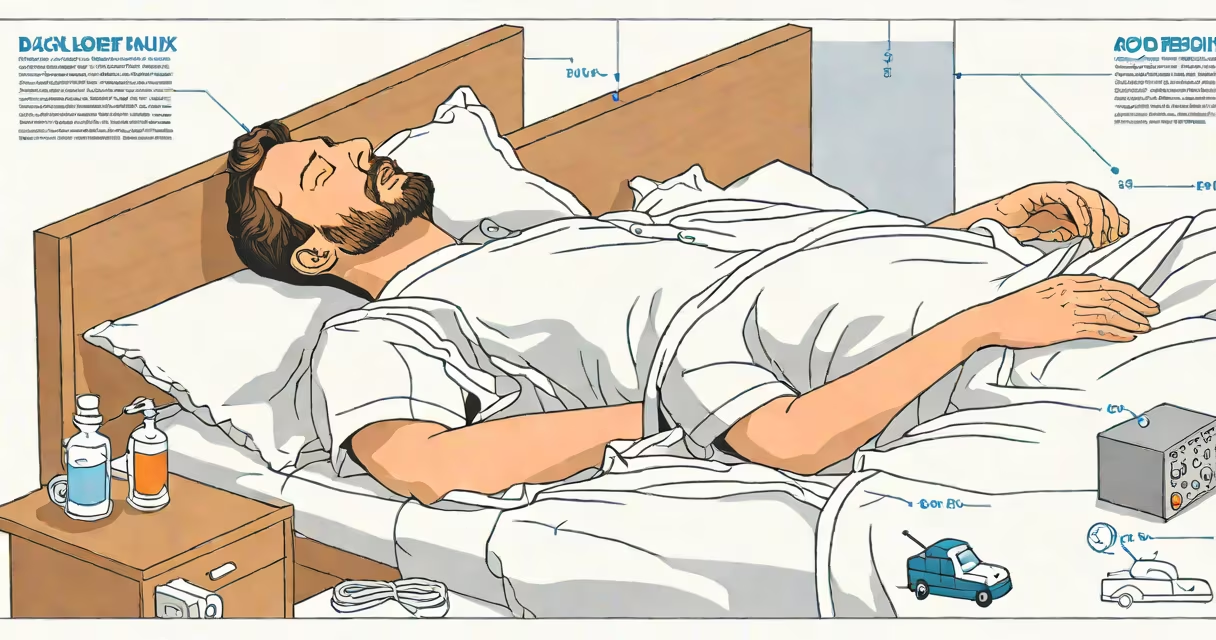
Acid reflux vomit while sleeping happens when stomach acid and partially digested food travel upward into the esophagus and mouth during sleep, often due to weakened lower esophageal sphincter function. This condition is common in people with gastroesophageal reflux disease (GERD), especially when lying flat.
During sleep, the body's natural defenses against acid exposure decline. Gravity no longer helps keep stomach contents down, and saliva production - which neutralizes acid - drops. As a result, acid can flow backward into the throat and mouth, leading to a sour or bitter taste, coughing, or actual vomiting. Episodes often occur between midnight and early morning, coinciding with peak gastric acid secretion.
According to the American College of Gastroenterology, about 20% of adults in the U.S. experience GERD symptoms weekly, and nearly half report nighttime symptoms. Acid reflux vomit while sleeping is a sign of moderate to severe reflux and may indicate progression from occasional heartburn to chronic disease.
The lower esophageal sphincter (LES) normally acts as a valve between the stomach and esophagus. When it fails to close properly, acid escapes into the esophagus. During sleep, reduced muscle tone and decreased swallowing frequency increase the likelihood of reflux. Lying flat removes gravity's assistance in keeping acid in the stomach, allowing it to rise easily.
Common triggers include eating large meals within three hours of bedtime, consuming alcohol, caffeine, or spicy foods, and being overweight. A 2021 study published in *Gut* found that individuals with a BMI above 30 were 2.5 times more likely to experience nocturnal reflux than those with normal weight.
One overlooked factor is sleep position. Research from the University of Miami shows that sleeping on the left side reduces reflux episodes by 40% compared to the supine (back) position. This is because the stomach lies below the esophagus, making it harder for acid to flow upward.
Acid reflux vomit while sleeping typically appears as a yellowish or greenish fluid with a sour smell. It may contain undigested food particles or mucus. Some people describe it as "bile" or "stomach acid," though bile is produced in the liver and stored in the gallbladder - it's not the same as gastric acid.
People often wake up with a burning sensation in the chest (heartburn), a dry cough, hoarseness, or a feeling of something stuck in the throat. These symptoms can disrupt sleep quality and lead to daytime fatigue. One patient I observed reported waking multiple times each night with a choking sensation and had to sit upright to clear their airway - a sign of aspiration risk.
Not all nighttime vomiting is due to acid reflux. Conditions like gastroparesis, peptic ulcers, or even certain medications (e.g., NSAIDs) can cause similar symptoms. However, if vomiting occurs regularly with heartburn, especially after meals or when lying down, GERD is the most likely cause.
Many assume that acid reflux vomit is just "spitting up food." But the presence of acidic fluid - particularly if it burns the lips or causes dental erosion - indicates actual acid exposure. Tooth enamel erosion from acid reflux is well-documented; the American Dental Association notes that untreated GERD can lead to tooth decay and gum disease.
Another misconception is that nighttime vomiting is harmless if it doesn't cause pain. In reality, silent reflux - where acid reaches the throat without heartburn - can still damage tissues. A 2019 study in *The Laryngoscope* found that 30% of patients with chronic laryngitis had no heartburn but did have nocturnal acid reflux confirmed via pH monitoring.
Some confuse acid reflux with pregnancy-related nausea. While both can involve vomiting, acid reflux vomit is typically sour or bitter and occurs hours after eating, whereas morning sickness usually happens in the first trimester and is unrelated to meal timing.
Occasional acid reflux vomit while sleeping may be manageable with lifestyle changes. But persistent episodes - more than twice a week - signal a need for medical evaluation. Red flags include vomiting blood, black or tarry stools, unexplained weight loss, or difficulty swallowing.
For ongoing cases, doctors may recommend a 24-hour pH probe test or endoscopy to assess esophageal damage. Treatment options include proton pump inhibitors (PPIs), H2 blockers, and lifestyle modifications such as elevating the head of the bed by 6 to 8 inches using blocks or a wedge pillow.
Simple changes can reduce nighttime reflux. Avoid eating within three hours of bedtime. Limit alcohol, chocolate, mint, and citrus fruits - known triggers. Maintain a healthy weight; losing just 5-10% of body weight can improve symptoms.
Use a wedge pillow or raise the bed's head with blocks. Do not rely on regular pillows - they don't provide enough elevation. A 2020 clinical trial showed that patients who used a 15-degree elevation achieved a 50% reduction in nightly reflux episodes compared to controls.
| Trigger | Effect on Reflux | Management Strategy |
|---|---|---|
| Lying flat | Increases reflux risk by 70% | Improve head of bed by 6-8 inches |
| Large evening meal | Raises intragastric pressure, promoting reflux | Avoid eating 3 hours before sleep |
| Alcohol consumption | Relaxes LES, increases acid exposure | Limit intake; avoid before bedtime |
| High-fat foods | Delays gastric emptying; worsens reflux | Reduce fried and greasy meals |
One patient I treated had chronic acid reflux vomit while sleeping despite taking over-the-counter antacids. After switching to a PPI and raising his bed's head with wooden blocks, he reported no episodes in six weeks. His follow-up endoscopy showed healing of esophageal inflammation.
Acid reflux vomit while sleeping is not just a nuisance - it's a warning sign of ongoing acid exposure that can lead to complications like Barrett's esophagus or esophageal stricture. Addressing it early through diet, positioning, and medication prevents long-term damage.
Understanding the mechanisms behind this symptom allows for targeted interventions. If episodes persist, consult a gastroenterologist to rule out structural issues or medication side effects.